
Small parcels: the 2-euro charge has been abolished
The measure was introduced by the previous Budget Act but has not yet come into force

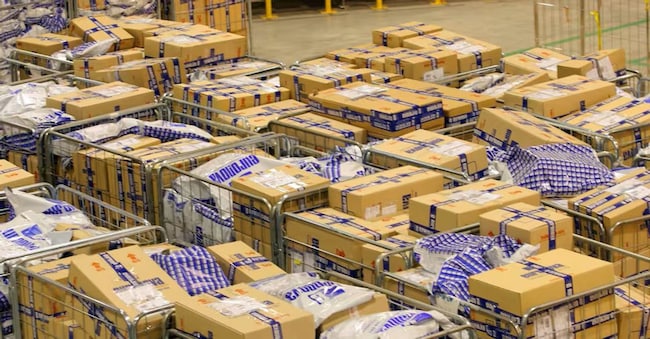
According to the Government, it was intended to ‘cover the administrative costs associated with customs formalities’ on parcels arriving from countries outside the European Union. In recent months, however, the Italian tax of €2 on non-EU consignments worth up to €150 has become a burden for the government, which has been forced to postpone it from one decree to the next and to make up for the lost revenue each time.
Originally scheduled for January 2026, it was postponed to July, then to October, December and finally to 1 January 2027. Now, under Article 30 of the draft Budget Bill, it has been definitively scrapped even before it came into force, with the repeal of paragraphs 126, 127 and 128 of last year’s Budget Bill.
The explanatory report sets out the reasons behind this under the new Union Customs Code, Regulation 2026/2108 of 16 September. The technical report, on the other hand, sets out the figures. When it was introduced, the contribution was estimated at 245 million per year in the budget forecasts.
The updated estimate has fallen to 91.3 million, as the market has changed in the meantime: from 1 July 2026, the customs allowance for goods worth less than 150 euros has been abolished and the following has been introducedEuropean tariff of 3 euros. Projecting the customs figures for July and August over the whole year, the number of consignments subject to the levy stands at 61.7 million. After accounting for a 7.6 per cent drop due to price rises and a 20 per cent rate of evasion, at 2 euros per parcel the lost revenue amounts to 91.3 million per year.
In the three months following the introduction of tariffs, according to a Commission official, the number of parcels declared in customs systems fell by an average of over 60 per cent. However, the EU still receives ‘5 million items a day’, following the 5.9 billion parcels imported last year, and in coordinated customs checks, 60 per cent of the products were found to be non-compliant.

