
Carta: 20 per cent of businesses are considering closing due to high energy costs
The sector, which is one of the most energy-intensive, is structurally affected by the exponential rise in costs. This already happened between 2022 and 2023, when the war between Russia and Ukraine highlighted the fragility of the national supply system

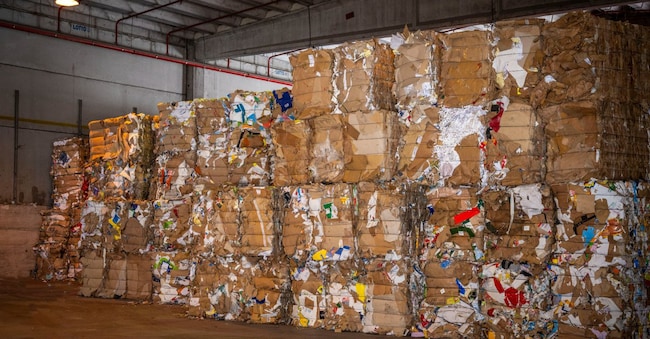
Some have already halted production, whilst others are considering doing so: six Italian paper mills have halted production in 2026, extending their maintenance period, and at least 20 per cent (around thirty paper mills) are reporting that they are in crisis and are considering halting production in the coming weeks if energy costs do not fall.
The paper industry, one of the most energy-intensive sectors, is structurally affected by the exponential rise in energy costs. This already happened between 2022 and 2023, when the war between Russia and Ukraine highlighted the fragility of the national supply system. Today, however, business leaders say that speculation is a much greater factor and the problem has become even more acute.
The result is that many companies are operating on a precarious balance between costs and revenue: some say they are already operating at a loss but intend to fulfil their orders; others are considering suspending operations in the coming days; whilst others say they have already been at a standstill for around ten days, and have consequently also halted the municipal paper recycling scheme.
Sky-high gas prices are the paper industry’s main problem at the moment: they have drastically reduced profit margins and account for around 40 per cent of the balance sheet. The surge in recent days has put entrepreneurs under severe strain, particularly since the cost reached 85 euros per megawatt-hour.
Lorenzo Poli, president of Assocarta, emphasises that politicians should take action, not least because ‘VAT revenue is rising in tandem with energy costs; it would be enough simply to suspend it or refund it to us’. ‘We are receiving increasingly alarming reports at the association,’ adds Poli, who heads an association comprising 150 paper mills. ‘Across the country, up to 20 per cent of businesses report being in difficulty and are considering “technical” closures, whilst waiting for prices to stabilise. We’re all playing it by ear, which creates extreme instability for entrepreneurs.’ Poli also emphasises that paper mills play a key role in the social function of recycling.


