
20 per cent of university students get little sleep; it’s not insomnia but social jet lag
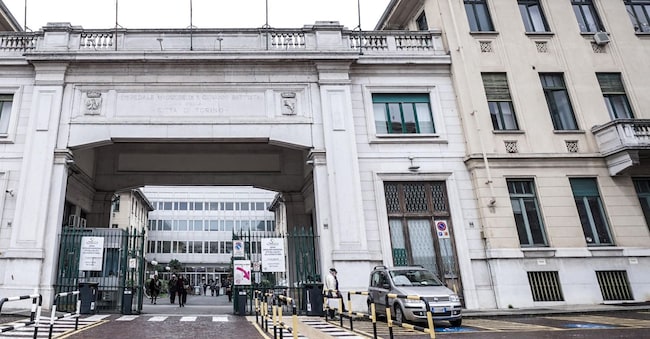
The Regional Centre of Excellence for Sleep Medicine at the Molinette Hospital in Turin’s City of Health and Science, in collaboration with the University of Turin, has therefore developed personalised treatment protocols

74 per cent of university students sleep for less than the 8 hours recommended by the World Sleep Medicine Association. Around 20 per cent suffer from a genuine circadian rhythm disorder, characterised by a tendency to fall asleep later than the average person. These individuals need to sleep longer in the morning, a requirement rarely accommodated by school or work timetables. This results in sleep deprivation (social jet lag), which leads to increased stress, pathological drowsiness, anxiety and depression, as well as a decline in academic performance.
An underdiagnosed disorder
However, this condition is largely underdiagnosed or confused with insomnia and, as a result, goes untreated or is treated inappropriately. The Regional Reference Centre for Sleep Medicine at the Molinette Hospital in the City of Health and Science in Turin, in collaboration with the University of Turin, has therefore developed individualised treatment protocols based on instrumental monitoring of the sleep cycle. These are based on non-pharmacological, behaviourally oriented techniques (chronotherapy, i.e. the systematic shifting of sleep times until they normalise), combined with photostimulation (bright light therapy, i.e. exposure upon waking to a medical device emitting light calibrated for intensity and colour temperature) and melatonin.
The very real and dangerous risks
Sleep deprivation is a risk factor for heart attacks, strokes, diabetes, obesity, cancer and dementia, leading to increased healthcare and social costs. “Information, prevention and appropriate care are essential, particularly when it comes to the health of our young people,” emphasises Federico Riboldi, the Piedmont Region’s Councillor for Health.

Brand connect


Newsletter Scuola+
La newsletter premium dedicata al mondo della scuola con approfondimenti normativi, analisi e guide operative
Abbonati