Circular economy

Carta: separate waste collection set to increase in 2025: up by 60,000 tonnes

The recycling rate has also risen to 93.1 per cent. The new challenge is quality

3' min read

Translated by AI
Versione italiana

3' min read

Translated by AI
Versione italiana

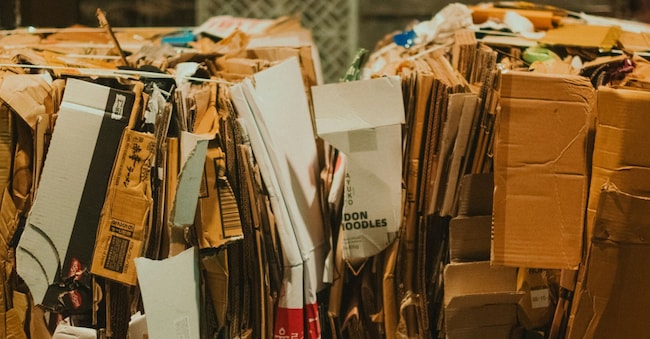
Separate collection of paper and cardboard continues to grow in Italia: in 2025 it will reach almost 4 million tonnes, an increase of over 60,000 tonnes compared with 2024, with a national average of 67.5 kg per inhabitant (compared with 65.4 in 2024).

The South and the Islands have exceeded the symbolic threshold of 1 million tonnes collected for the first time, accounting for around 60 per cent of national growth. The recycling rate has also risen, reaching 93.1% (up from 92.5% in 2024), more than 8 percentage points above the European target of 85% set for 2030.

Loading...

This is according to the 31st Annual Report by Comieco, the national consortium responsible for the recovery and recycling of cellulose-based packaging, which was presented on 10 July in Naples.

The Revival of the South

In 2025, the North retained its position as the national leader, with over 2 million tonnes of paper and cardboard collected and an average of 74.7 kg per inhabitant. Emilia-Romagna remains the region with the highest per capita collection rate (99.8 kg per inhabitant), whilst Valle d’Aosta records the sharpest increase compared with 2024 (+7 per cent).

Performance was also strong in Central Italia, where the total collected reached 886,000 tonnes, with an average of 75.7 kg per inhabitant. Tuscany stood out, recording 85.5 kg per inhabitant – an increase of around 2 kg per inhabitant.

The most significant contribution to national growth, however, comes from the South, which for the first time has exceeded one million tonnes harvested. Per capita harvests are also on the rise, reaching 52.5 kg per inhabitant. All regions in the area are showing positive trends: Molise recorded the largest increase (+11% compared with 2024), reaching almost 48 kg per inhabitant. Sardinia, meanwhile, remains the southern region with the highest harvest per inhabitant, at 64.2 kg.

240 million for local councils

“With 944 active agreements, we now cover 92 per cent of local authorities and 96.8 per cent of the population. Through this network, by 2025, Comieco had managed the recycling of over 2.5 million tonnes of cellulose-based materials and, in recognition of this commitment, had paid municipalities over 240 million euros for collection, plus a further 60 million for post-collection processing. ‘This is further proof of how separate collection generates not only environmental but also economic benefits,’ explains Comieco’s chairman, Amelio Cecchini.

The challenge of quality

The quality of the collected materials remains a key issue: product analyses show that in the South, only around half of the collected paper and cardboard falls into the top quality category – with impurities of less than 3 per cent – whilst in the Centre and North, over 80 per cent of the collected materials meets this standard.

A boost to quality improvement comes from the new Technical Annex on Paper, which came into force on 1 May as part of the ANCI-CONAI Framework Agreement. As well as increasing the fees paid to local authorities, the new regulation introduces incentive schemes to encourage ever-higher quality standards.

“Separate waste collection is aimed at recycling, and the presence of foreign materials such as plastic bags and non-cellulosic materials in general leads to additional industrial costs and reduces revenue for local authorities; this is why the quality of the waste delivered is crucial,” comments Roberto Di Molfetta, Director-General of Comieco: “The new Technical Annex for Paper moves precisely in this direction”

The future outlook

Comieco estimates that by 2026, the volume of paper and cardboard collected through municipal schemes will exceed 4 million tonnes. The potential for growth in the medium term remains substantial, with around 400mia tonnes yet to be captured. Among the priorities is the development of recycling for cellulose-based composite packaging, such as beverage cartons, and other food containers used both at home and away from home.

Copyright reserved ©
Loading...

Brand connect

Loading...

Newsletter

Notizie e approfondimenti sugli avvenimenti politici, economici e finanziari.

Iscriviti