
2026 is the year of natural beauty

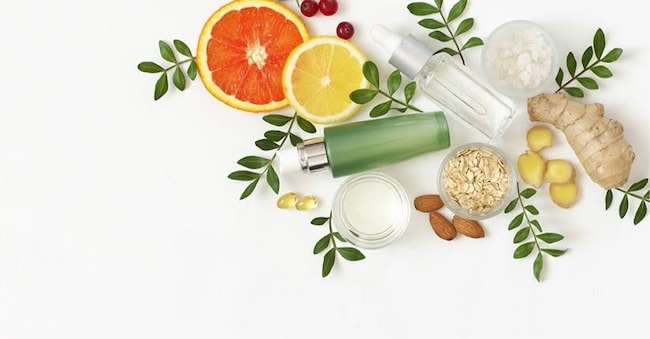
The natural beauty market is growing steadily and sustainably, driven by quality, sustainability and emotional wellbeing. Natural ingredients, locally sourced products, multi-purpose solutions and biotechnological approaches: sustainability continues to play an increasingly significant role in shaping purchasing decisions, not only for environmental reasons but also for reasons of values and trust.
According to the Natural and Organic Cosmetics Report, the sector reached $31.4 billion in 2024 and is set to exceed $52.2 billion by 2030, with an average annual growth rate of 8.9 per cent.
For Natrue, the international association that promotes natural and organic cosmetics, this marks a crucial turning point: natural cosmetics are no longer a choice for the few, but a widespread preference that combines effectiveness, innovation and ethical values. A turning point that is reshaping the global beauty landscape, with quality, sustainability and wellbeing as its new cornerstones.
This growth is not merely economic; it reflects a profound shift. Consumers are looking for products that tell a clear, verifiable and consistent story. They want to know what they contain, where the ingredients come from and how they are produced. Natural beauty is increasingly seen as part of a holistic approach that combines health, self-care and emotional balance.
“Today’s consumer is well-informed, aware and discerning,” explains Paula Gómez de Tejada, Global Communications and Public Relations Manager at Natrue. “They seek effectiveness but also demand ethical standards. Transparency, accountability and the verifiability of cosmetic claims are therefore essential for building lasting trust. As an association, we have always fought against greenwashing, and our advice is to check for green certifications. The NATRUE label, for example, guarantees the authenticity of natural and organic cosmetics, which must meet strict criteria: mineral oils, silicones, GMOs, microplastics, synthetic fragrances and parabens are prohibited. The standard also requires certain ingredients to be biodegradable and categorically prohibits any animal testing.’


