
2027 Budget: from the deficit to the EU’s assessment – a tight schedule for the budgetary session
The fast-track process for the 2027 budget involves ministries, Parliament and the European Commission, with Istat data and budgetary deviations at the heart of political decisions

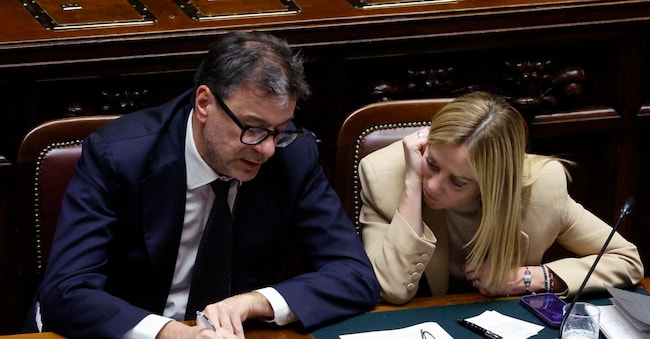
The 2027 budget is set to take centre stage in the political debate, following the resumption of political activity after the summer recess. Since the mid-August bank holiday, the technical departments of the ministries have already begun drawing up the priorities that will then form the focus of the September meetings. From the issue of the budget deviation to the EU’s assessment, a challenging budget session is on the cards, not only in light of the tight deadlines involved in the budget approval process, but also due to next year’s general election: it will be a matter of striking a balance between fiscal discipline and the parties’ demands to push through their flagship policies.
22 September – Update on public finance data (ISTAT)
On 22 September, Istat will publish the official revisions to the national accounts (GDP, deficit and debt) for the year 2025. These figures are crucial for determining the actual scope of next year’s budgetary manoeuvre. This year’s revision is even more important: given that the latest figures published in April (2025 deficit at 3.1 per cent of GDP) had narrowly missed the target required to exit the excessive deficit procedure (the figure needed to be below 3 per cent). If the revision, as happened last year, were to raise the GDP estimate and thus bring the deficit ratio below 3 per cent, this would open up new scope for the 2027 budget.
Early October – Presentation of the DPFP
Under the new budgetary rules, the government will be required to submit the Public Finance Policy Document (DPFP), which has replaced and expanded upon the content of the former Update to the Economic and Financial Document (NADEF): this document will contain updated macroeconomic estimates alongside the policy targets for GDP, the deficit and debt for the three-year period 2027–2029. There is no specific date for the submission of the DPFP: this will be determined by a resolution of Parliament at the end of September (last year it was 2 October). Parliament will also be required to vote on a resolution regarding the text to be presented by the government (setting out the broad guidelines to be followed by the next Budget Bill). And it is precisely here, in parallel, that the budget deviation linked to the activation of the national safeguard clause for energy and military investments is expected to be voted on.
By 15 October – Submission of the DPB to Brussels
The Government must submit the Budget Policy Document (DPB) to the European Commission and the Eurogroup by 15 October; this document summarises the pillars and measures of the 2027 budget. By 20 October, the actual Budget Bill – that is, the 2027 Budget with details of the individual measures – must then be presented to Parliament. In accordance with the practice of alternating chambers, the process is expected to begin in the Chamber of Deputies this year.
By 30 November – European Commission opinion
The European Commission must, by 30 November, submit an initial opinion on the Draft Budgetary Plan (DPB) submitted by Italia in October (i.e. on the budget). Confirmation and the final verdict on the accounts and the debt/deficit reduction path will be issued in the spring of 2027, based on actual data.


