
From 3D printing to sensors, innovation in Sicily is driving improvements in human health
The Region is promoting the agri-food and life sciences sectors through programmes and initiatives designed to support businesses that utilise new technologies. This has an impact on economic growth and well-being

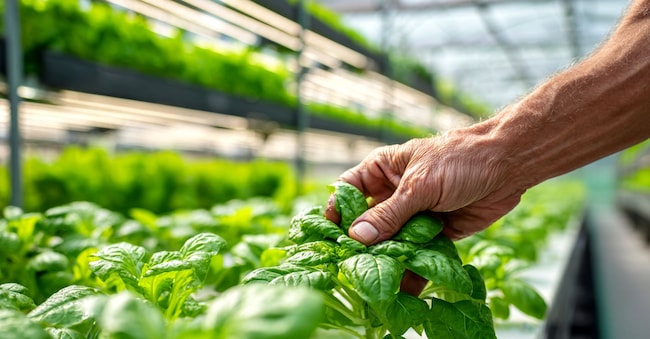
Turning food waste into powders with high nutritional value, using AI integrated with advanced sensors to monitor the health of a plant just as one would a human being, and also using a 3D printer to create bespoke skull plates required for complex surgical procedures. These are just a few examples of how innovation can improve people’s lives. And all three have already been achieved in Sicily.
For some time now, the Sicilian Regional Government has been looking to the future through the ‘Regional Innovation Strategy for Smart Specialisation’, which, for the period 2021–2027, guides the programmes and initiatives designed to support businesses and organisations seeking to transform the local community and economy.
Agri-food and Life Sciences are just two of the seven areas covered in the document and have been grouped together in line with the One Health approach, which recognises the interconnection between human, animal and ecosystem health. Both sectors contribute to people’s wellbeing, and new technologies can further enhance quality of life.
According to Istat’s 2021 data, the agri-food sector accounts for 17.8 per cent of Sicilian businesses in industry and services. As for the sector that Istat defines as ‘Health’, it accounts for 7.9 per cent of businesses. If we broaden the scope to include activities directly and indirectly linked throughout the supply chains – from production to processing, from research to trade and specialist services – an analysis by *Il Sole 24 Ore* of Istat’s 2023 data suggests an ecosystem of over 170,000 businesses in the agri-food sector and around 5,000 in the life sciences.
And that’s not all. The figure is useful for illustrating the scale of the system potentially affected by innovation policies, but it does not encompass all the companies involved. Those who develop AI tools used to create new medicines or vaccines, build robots for surgery and rehabilitation, develop software for Industry 4.0 agricultural machinery, and develop sensors that detect stress in plants often formally belong to a different sector, even though their work has an impact on these fields. These sectors may overlap with the nearly 1,500 companies already operating in Sicily in software development, telecommunications and research, not to mention the more than 15,000 architectural and engineering practices.

