
Winter tyres, 3Pmsf is the logo that makes the difference with normal M+S tyres
The marking certifies that these are tyres developed and approved by EU regulations specifically for snow-covered roads.

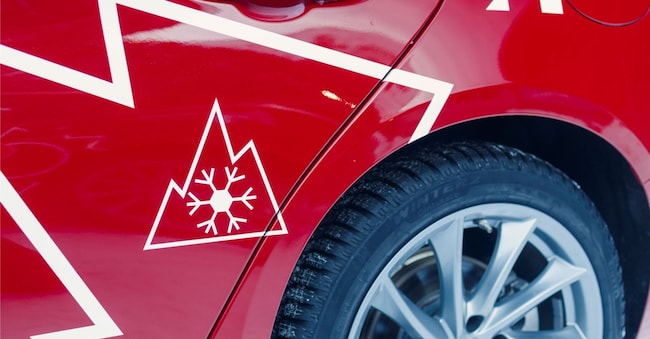
To comply with the obligation to have winter tyres, the M+S, MS, M/S, M-S and M&S markings on the shoulder of a tyre are more than sufficient. However, it should be borne in mind that these tyres are designed for use both in mud hence the M of mud and on snow as conveyed by the S of snow and simply deemed as such by the manufacturer. Therefore, they have not been subjected to specific tests, regulated by European standards and approved to provide ideal performance for driving on snow, unlike those that also bear the 3Pmsf (or Three peak mountain snow flake) marking represented by the silhouette of a mountain with three peaks enclosing a snow flake, specially designed for driving on snow and in very low temperatures.
Winter tyres, 3Pmsf logo guarantees safe driving in winter
The difference between the two types of tyres that can be used on snow is, therefore, considerable. In fact, 3Pmsf tyres have compounds that do not harden even well below 7° thanks to a high percentage of silica to ensure optimum grip, which is why they are also called thermals, a specific structure, a less knobbly tread sprinkled with more grooves and notches as well as less high and less spaced blocks than those for mud and snow only, and a design that facilitates water evacuation to reduce the risk of aquaplaning. Thanks to these characteristics, they can be subjected to the tests of the Unece R117 (rev3) standard, which measures, in particular, braking distances, which on snow must be 7% shorter and acceleration at least 10% faster than the test reference tyre. The aim is to assess the level of efficiency on snow-covered surfaces not only on flat and straight stretches but, above all, on slopes by evaluating the traction they offer during starts, grip and directionality when cornering. In short, all the factors that can create difficulties when driving on snow.

