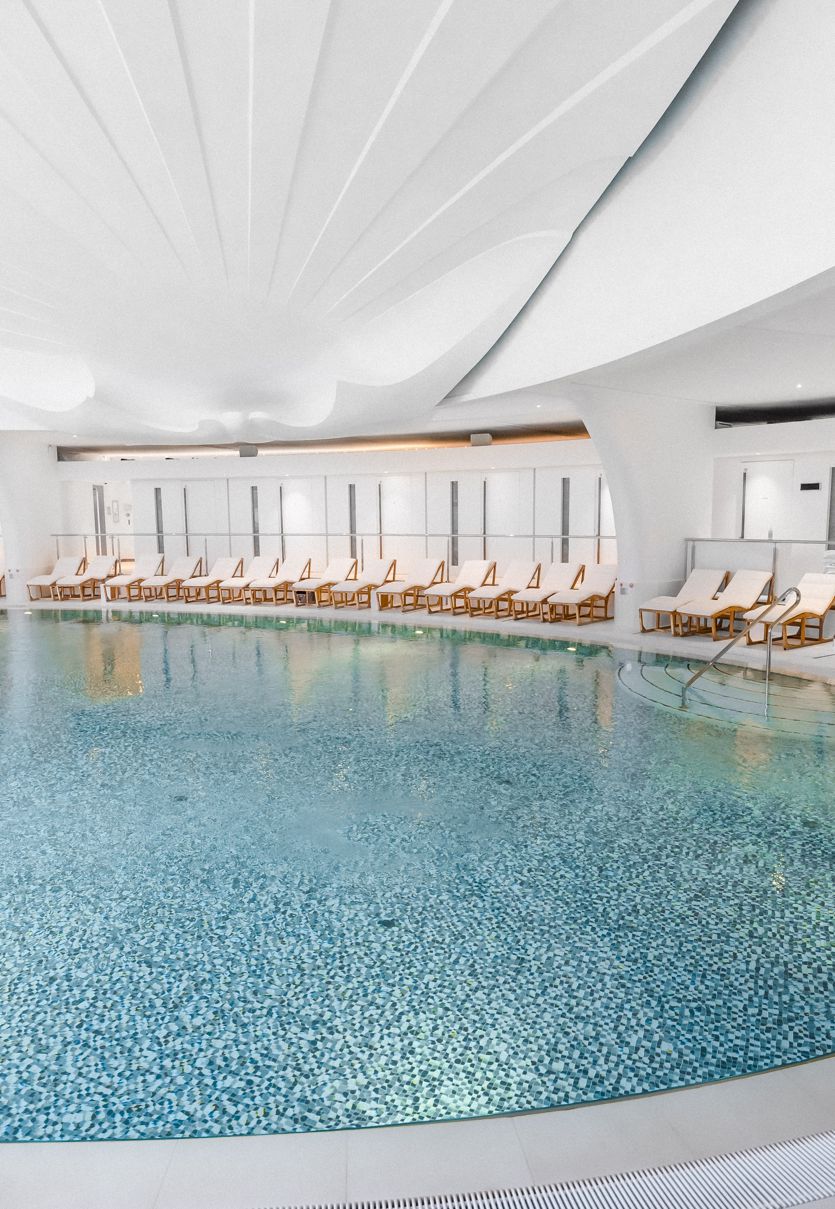
48 hours of glamour in Monte Carlo, with a stop at the Hôtel Hermitage

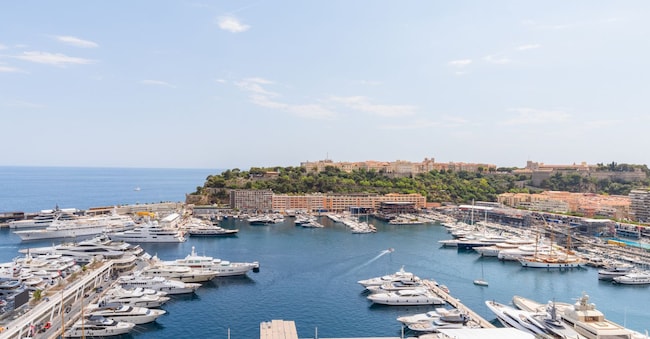
Some people look around for the red and blue Vespa that Jannik Sinner rides around on when he’s at home in Monte Carlo. He’s not the only celebrity round here; every face could be that of someone famous from every corner of the world. The thing is, this little principality on the French Riviera is a world of its own.
The streets are clean, the buildings are new or refurbished, there are more than 1,300 CCTV cameras, and the new projects represent a futuristic response to the limited space available, such as the Terramare eco-neighbourhood, which has literally been built on the water, featuring buildings designed by Renzo Piano, Norman Foster, Tadao Ando and other leading contemporary architects. Monte Carlo is a constant testing ground, with investment that allows for thinking and acting on a grand scale.
The early days of luxury tourism
It has always been this way. Ever since 1863, when a casino was built to give a boost to the small principality. It was around this venture that the Société des Bains de Mer (SBM) was also founded, which, within a few years, went on to build the luxurious Hôtel de Paris, the Café de Paris (recently refurbished), laying the foundations for the first resort designed for entertainment and holidays, which today boasts two casinos, four hotels, three spas, more than 30 restaurants, as well as nightclubs, theatres, apartments and boutiques. Some of these establishments witnessed the dawn of luxury tourism in Europe,
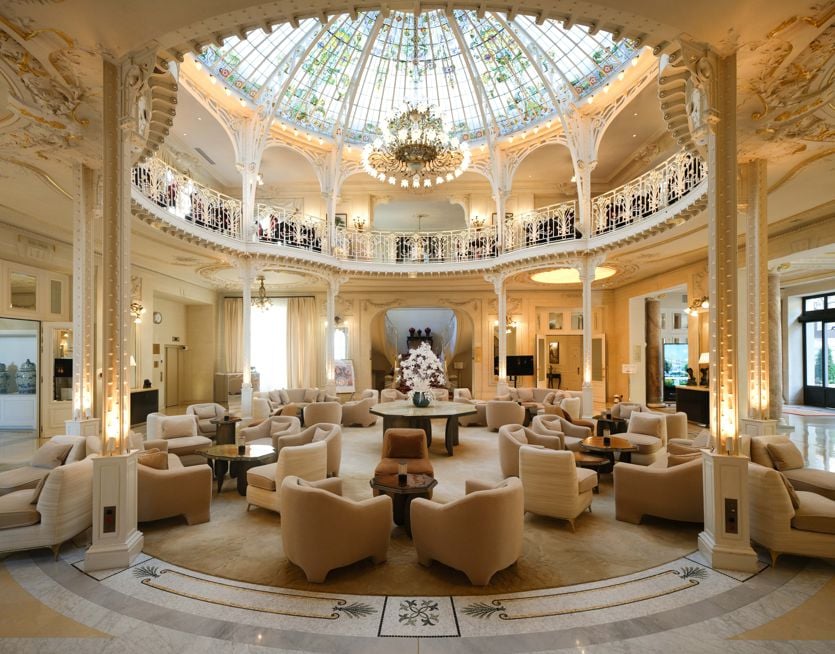
becoming symbols of an era, of a way of life and of evolving in step with the times. The Hôtel Hermitage joined the group in 1928; an Art Deco palace that has been renovated and transformed over the years, whilst proudly preserving Eiffel’s wrought-iron and stained-glass dome, the mosaic in the lobby, the stucco work and the gilding – all perfectly restored. This year saw the unveiling of the first 40 rooms and the Diamond Suite, redesigned by Pierre-Yves Rochon, featuring clean lines, fine materials and fabrics, and light colours in keeping with the Mediterranean atmosphere. Also new is the Gustave bar, with its selection of sparkling and refreshing drinks such as the Marguerite, to be enjoyed beneath the kaleidoscopic splendour of the Eiffel dome.
Must-see stops on a weekend break
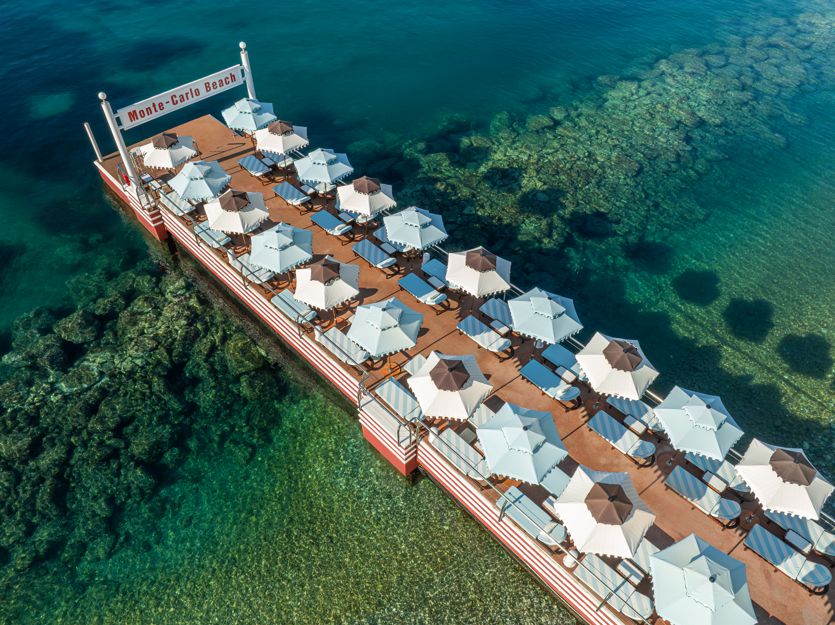
In Monte Carlo, you step into a glamorous world, which might prove irritating if you don’t let yourself be swept along by its charm – which is, after all, irresistible. The day is pure bliss. Florentine eggs on the Eiffel terrace for breakfast, a treatment at the Thermes Marins (soon to be refurbished), and in summer there’s the option of the Monte-Carlo Beach hotel’s beach, which exudes a blend of jet set and la dolce vita, with private cabanas (one of which is reserved for the Grimaldi princes), and the Jacquemus-designed jetty in shades of white, Tiffany blue and chocolate brown, where it’s best to arrive early to secure a sun lounger and parasol, amidst fluttering Pucci sarongs and Hermès sandals. If you’d prefer a light lunch to a plate of fresh fruit on the beach, simply head to La Vigie, where Simone Zanoni, the Michelin-starred Italian chef at the Four Seasons in Paris, has created a menu of dishes to share – from pizza to yellowtail topped with caviar – on a terrace overlooking the sea. After the beach, you can pop into Cédric Grolet’s patisserie in the courtyard of the Hôtel de Paris. It’s practically a museum for his creations: peaches that look as though they’ve just been picked and other fruits that blur the line between reality and their very essence transformed into desserts, to be savoured and devoured. This hedonistic pace can continue non-stop for several days, escaping any sense of routine, amongst theatres, festivals, museums, public art, and the Jardin Exotique, which this year has reopened its collection of around ten thousand succulents from all over the world.