The pogrom

7 October 2023, the date that shattered the future of two peoples

The anniversary of the massacre carried out by Hamas coincides with the beginning of negotiations and hopes for a truce and the release of the hostages

Israele, commemorazione al kibbutz Nir Oz per i due anni dal 7 ottobre

4' min read

Translated by AI
Versione italiana

4' min read

Translated by AI
Versione italiana

TEL AVIV

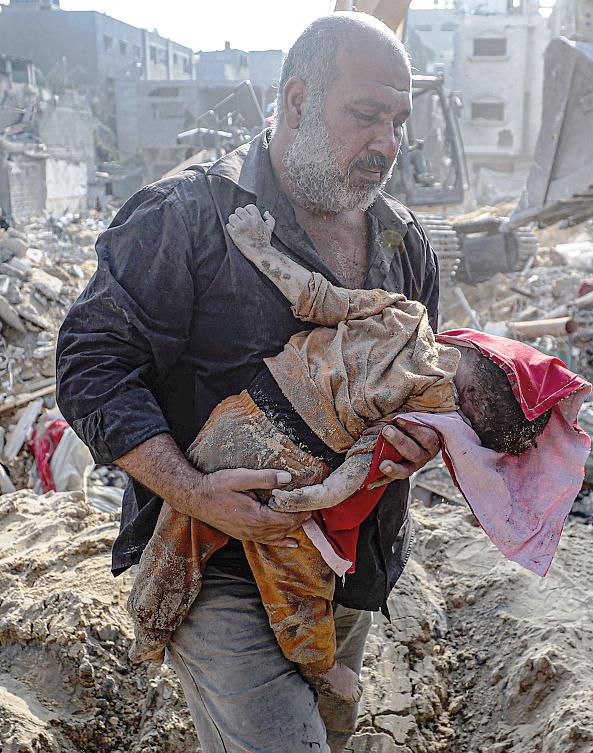
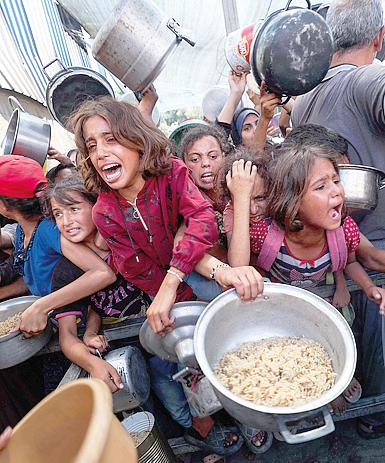
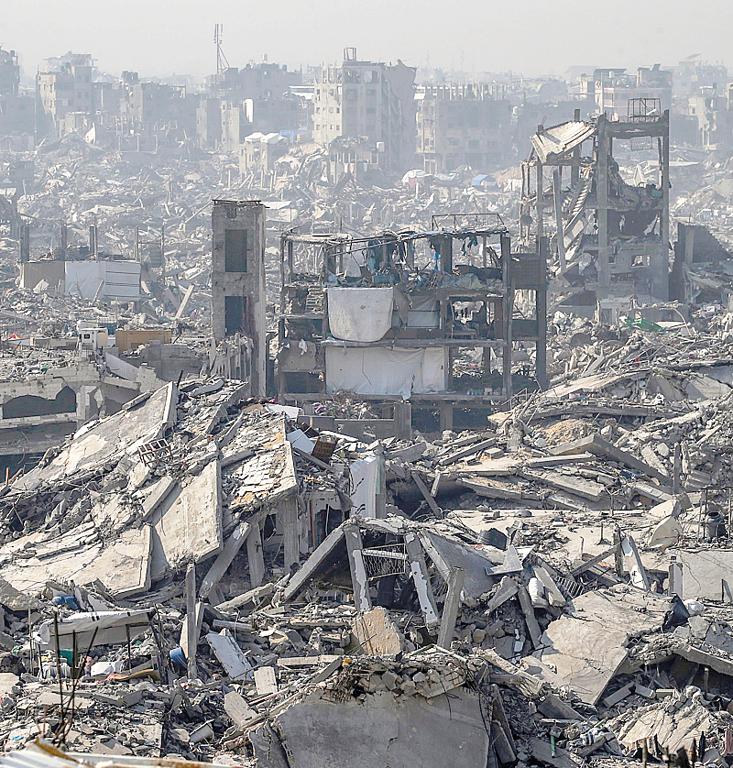
There is an unreal silence in Israel. One holds one's breath waiting for what will happen on this day when the feast of Sukkot, the anniversary of 7 October, and the beginning of negotiations for a truce in Egypt coincide. People in Gaza are also holding their breath, hoping that it will really be over. The war that has changed Gaza, Israel and a part of the Middle East may have reached a turning point after twenty-four months of darkness. President Trump's plan gives hope for the first time ever of a ceasefire. Two years have passed since the massacre by Hamas in the kibbutzim and the Nova Festival. Since then, almost all of the Strip's approximately two million residents have been forced to flee their homes, some several times, to escape Israeli bombardment. The dead number over 67,000. In densely populated Gaza City, satellite photographs show entire blocks of buildings razed to the ground. In August, the UN concluded that 1 in 3 people in Gaza were without food for days on end.

Loading...

Since then, a lot has changed not only in Israel and Gaza, but in the entire region: Hamas is severely weakened and so is Hezbollah, the repercussions of the war have contributed to the fall of the regime in Syria and a setback in Iran's nuclear programme. Israel's isolation from what is seen by many countries, including allies, as a disproportionate use of force is also increasingly evident. This was plastically seen when Israeli Prime Minister Benjamin Netanyahu attended the annual meeting of the UN General Assembly in New York in September and many delegates walked out leaving him alone.
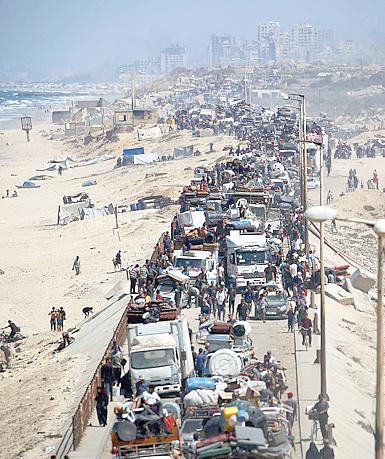
L’assedio e gli sfollati. Il 9 ottobre 2023, Israele decide l’attacco militare nella Striscia. Poco dopo inizia la prima ondata di profughi costretti a lasciare le loro case per fuggire dalle bombe. (EPA)

Rewinding the tape of events, one has to go back to that 7 October 2023: it was 6.30, the dawn of shabbat and the Jewish holiday of Simchat Torah, when three thousand terrorists from Hamas and Islamic Jihad entered southern Israel from Gaza bombing kibbutzim, border towns, the Nova festival killing, burning, tearing to pieces, raping. Around 1,300 people were killed, another 250 kidnapped and taken to Gaza.

The next day, 8 October, Israeli raids hit the Strip: among the targets were residential complexes, tunnels, houses of Hamas officials and the Watan Tower, a centre for internet providers in the area. The Israeli government's security cabinet formally declares a state of war, for the first time since the 1973 Yom Kippur War.
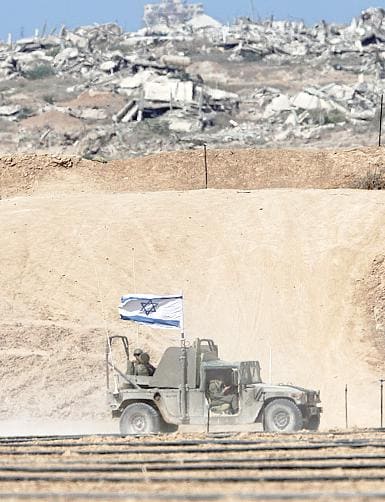
Going back to that October 2023, two days after the Hamas attack, Israel decided on a full siege of Gaza, calling up a record 300,000 reservists and starting to strike the Strip with fighter jets. On 27 October Israel launches a full-scale invasion of Gaza. On 24 November, hope is kindled: the first truce between Israel and Hamas is triggered. The ceasefire, also negotiated by Qatar and Egypt, is extended for a week leading to the release of 105 Israeli hostages and about 240 Palestinian detainees.

But in December Israeli forces launch the first major ground assault in southern Gaza, on the outskirts of the main southern city, Khan Younis, stronghold of Hamas leader Yahya Sinwar. One of the most painful episodes for the Israelis also takes place: the IDF mistakenly kills three hostages in Gaza. The war continues and hundreds of thousands of Palestinians, most of them already displaced, are forced to leave their homes.

On 25 March 2024 a UN resolution calls for a ceasefire in Gaza, but it is not followed up. Soon after Israel causes the death of aid workers from the World Central Kitchen, the Israeli government admits its mistake.

In the spring of 2024 Iran launches a heavy drone and missile attack against Israel in response to the Israeli bombing of the Iranian embassy in Damascus. On 20 May the prosecutor of the International Criminal Court in The Hague calls for arrest warrants for Netanyahu and Hamas leaders for alleged war crimes.

Macerie e vittime. Dopo due anni di guerra la città di Gaza è diventata un cumulo di macerie. I morti sono oltre 67mila, molti sono bambini. (EPA)

Israel does not spare attacks on Hamas even outside its territory. In late July 2024 Ismail Haniyeh, Hamas' political leader, is killed in Tehran. Another blow to the Hamas leadership comes when the Israeli army announces the death of Mohammed Deif, commander of the Ezzedin al-Qassam Brigades, the armed wing of Hamas, in Khan Yunis.

On 17 September Israel strikes Hezbollah's top leadership in Lebanon and Syria in a high-precision operation: thousands of pagers belonging to Hezbollah militiamen and leaders explode at the same time causing the death of more than ten people and the wounding of thousands of others. And a few days later, the leader of the pro-Iranian Lebanese Shiite movement Hezbollah, Sheikh Hassan Nasrallah, is killed in a massive bombing on the southern outskirts of Beirut.

(EPA)

On 1 October 2024, Iran attacked Israel with hundreds of ballistic missiles in response to the killings of Ismail Haniyeh and Hassan Nasrallah, again without causing any major damage. It was not until the end of November that a ceasefire was reached between Hezbollah and Israel.

In October in Rafah, soldiers of the Israel Defence Forces' Bislamach Infantry Brigade open fire at a building, killing Yahya Sinwar, Haniyeh's successor and Hamas' impregnable leader in the Strip. Hamas is decimated.

La fame. Bimbi palestinesi si accalcano per ricevere un pasto caldo da una mensa di beneficenza nel campo profughi di Nuseirat, nella Striscia di Gaza. (AFP)

A few days into office on 15 January 2025 Donald Trump officially announced the understanding reached between Israel and Hamas for a ceasefire and prisoner exchange. But the truce does not hold. The second ceasefire runs from January to March, but is broken when on 18 March Israel launches a surprise attack on Gaza that kills 400 people. In early May Israel announces the mobilisation of thousands of reservists. In the middle of summer, in August Israel's security cabinet approves the plan to occupy Gaza City. On 29 August President Trump proposes the twenty-point peace plan, which includes the release of all hostages, the release of hundreds of Palestinian detainees, the disarmament of Hamas, and a transitional government in the enclave. Not peace yet, but at least a fragile hope.

Copyright reserved ©
Loading...

Brand connect

Loading...

Newsletter

Notizie e approfondimenti sugli avvenimenti politici, economici e finanziari.

Iscriviti