The EU’s recommendations

‘72-hour emergency kit’: what it is, what it should contain and why there’s so much talk about it

Everything you need to know about the EU-recommended emergency kit designed to cope with three days of power cuts or cyber-attacks. No imminent threat – just a precautionary measure

by the Online Editorial Team

Aggiungi Il Sole 24 Ore
ai preferiti su Google
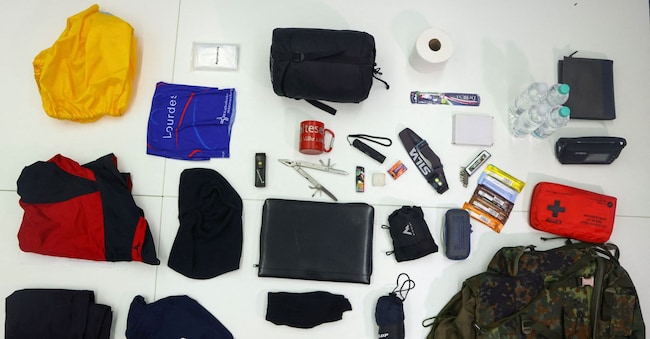
Il kit di emergenza consigliato da Martin Schelleis, presidente di Malteser Hilfsdienst, organizzazione tedesca di aiuti umanitari. REUTERS

2' min read

Translated by AI
Versione italiana

2' min read

Translated by AI
Versione italiana

It has become one of the top trends on Google over the last two days, particularly following the arrival of the European guidelines in the Chamber of Deputies: the ‘72-hour Kit’, namely the recommendations issued by the European Commission on 3 November for European citizens on how to become self-sufficient for three days in the event of emergencies of all kinds: from floods and extreme weather events to health emergencies, and war and bombings and cyber-attacks.

But is there really cause for concern?

Loading...

Let’s clarify what the Brussels document actually says and what you really need to pack in your rucksack.

What is the ‘72-hour kit’ and why is it being discussed now?

There is no immediate cause for concern and, above all, no obligation to buy.

The guidelines presented by Brussels form part of a long-term prevention strategy. The aim is to educate the public to be prepared for scenarios such as prolonged power cuts, cyber-attacks on electricity grids or natural disasters.

The first 72 hours are, in fact, the critical period needed for rescue workers to reorganise the relief effort and restore essential services. During this time frame, every household should be self-sufficient.

The emergency shopping list

According to the recommendations, essential items should be easily accessible at home or already packed in a rapid evacuation rucksack (known as a Go Bag).

Here is the essential list:

Drinking water: the top priority. The recommended amount is at least 3 litres of water per day for each member of the family (to be used for drinking and basic hygiene).

Non-perishable food: long-life foods that require neither cooking nor refrigeration, such as tinned food (tuna, beans, pulses), dried fruit, honey and energy bars.

Loading...

Small-denomination cash: in the event of a total power cut, cash machines and electronic payments would grind to a halt. Having coins and 5, 10 or 20-euro notes could become essential.

Torch and radio: a torch and a portable AM/FM radio, preferably a hand-crank (dynamo) model or one with a spare set of batteries. The radio is needed to receive official communications from the authorities if the internet goes down.

First aid: a supply of life-saving medicines taken daily and a basic first-aid kit containing plasters, antiseptics and bandages.

Power banks: at least two external batteries for mobile phones, which should always be kept fully charged.

The EU plan for schools and blocks of flats

The EU Commission’s plan goes beyond simply establishing an emergency stockpile.

The project aims to incorporate risk management into the school curriculum from primary school onwards and to draw up internal emergency plans even in block of flats, identifying building representatives capable of coordinating neighbours in the event of an emergency.

Experts from Civil Protection point out that being prepared does not mean living in fear, but simply minimising panic should anything go wrong.

Copyright reserved ©
Loading...

Brand connect

Loading...

Newsletter

Notizie e approfondimenti sugli avvenimenti politici, economici e finanziari.

Iscriviti