
A Caravaggio for Palazzo Barberini: MiC buys for 30 million
After a year and a half of negotiations, the agreement with a Florentine private collection was concluded

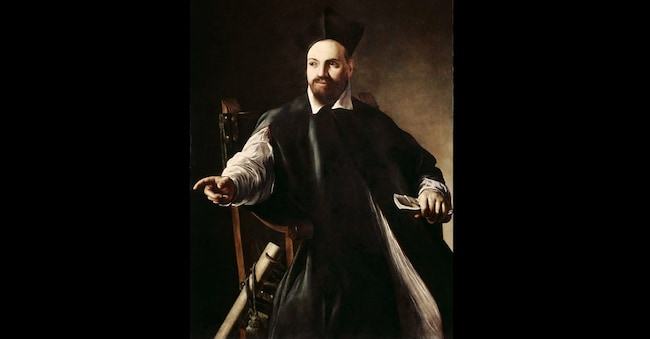
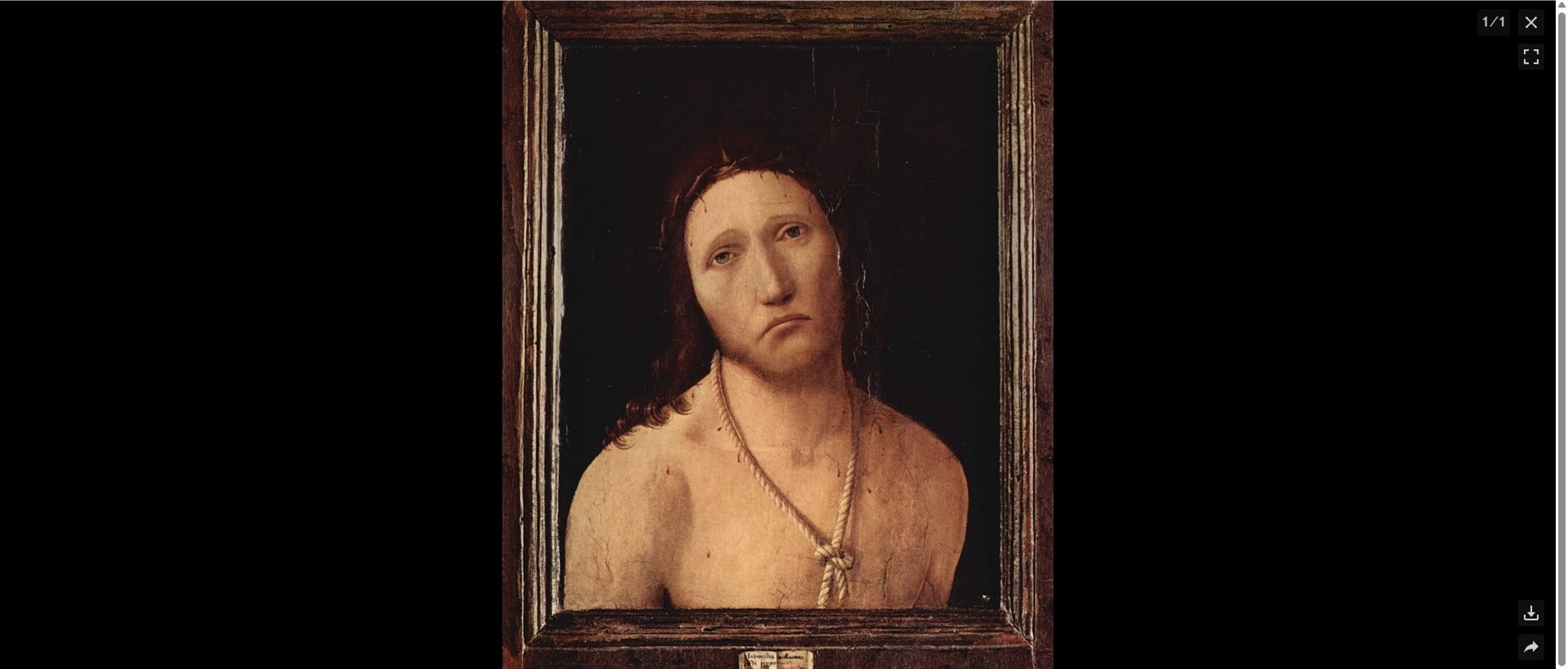
After the acquisition on 9 February of the painting 'Ecce Homo' by Antonello da Messina for USD 14.9 million from Sotheby's, destined in the first instance to be housed in the Spanish Fort in L'Aquila, this year's Italian Capital of Culture, it is the turn of a Caravaggio, among the few remaining in private hands. The Ministry of Culture has purchased Merisi's 'Portrait of Monsignor Maffeo Barberini', which, at the end of the required administrative procedures, will become part of the State's patrimony and will be assigned to the National Galleries of Ancient Art in Rome, permanently entering the collections of Palazzo Barberini. The operation was concluded for the sum of 30 million euro at the end of a long negotiation with a private collection in Florence. The signing of the sale was held in the presence of the Minister of Culture, Alessandro Giuli; the General Director of Museums, Massimo Osanna; the Director of the National Galleries of Ancient Art in Rome, Thomas Clement Salomon and the notary Luca Amato.
after more than a year of negotiations, we announce the purchase by the Ministry of Culture of an extraordinary masterpiece by Caravaggio, the 'Portrait of Monsignor Maffeo Barberini'," said Minister Giuli, "a work of exceptional importance, attributed to the Maestro by Roberto Longhi, which is now being offered to the public and the international scientific community, just a few months after its first exhibition in a museum, which took place at Palazzo Barberini. This acquisition, together with the recent one of the 'Ecce Homo' by Antonello da Messina, is part of a broader project to strengthen the national cultural heritage that the Ministry of Culture will continue to pursue in the coming months, with the aim of making some masterpieces of art history accessible to scholars and enthusiasts that would otherwise be destined for the private market. I would like to thank all the institutions, officials and technicians who have worked with great skill and dedication so that a result of this importance could be achieved,' concluded the Minister of Culture.
"We express, on behalf of the sellers and FGV Investments LLC, the widest satisfaction for the conclusion of the negotiation with the MiC, at the end of which the State of Italy has increased its cultural heritage by acquiring an important painting by Caravaggio: "the 'Maffeo Barberini' is finally back home" declared the lawyers Francesco Emanuele Salamone and Salvatore Paratore, who assisted the sellers in this important transaction of transfer to the State of the painting of one of the greatest Masters of Italian art history, taking care of all the contractual, fiscal and art law profiles, typical of a transaction of this complexity.
The acquisition represents one of the most significant investments ever made by the Italian State for the purchase of a work of art, and bears witness to the MiC's commitment to strengthen public collections with works of absolute importance in the history of art. During the negotiation stages, thanks to an agreement with the owners, the work was exhibited to the public in the rooms of Palazzo Barberini for a few months from November 2024 until the conclusion of the great exhibition 'Caravaggio 2025', which welcomed over 450,000 visitors, allowing the scientific community and the general public to appreciate it live. On that occasion, Italian and international critics unanimously confirmed the attribution to Caravaggio, emphasising the painting's exceptional importance.
The Story
'The Portrait of Monsignor Maffeo Barberini' depicts the future Pope Urban VIII (1568-1644) in his early thirties, as a cleric of the Apostolic Chamber, at a crucial moment in his rise to power. The work was made known by Roberto Longhi in his famous article Il vero 'Maffeo Barberini' del Caravaggio , published in 'Paragone' in 1963, and has since been widely recognised by critics as a work by Merisi. Longhi himself recognised in the painting one of the founding moments of modern portraiture, emphasising how in it Caravaggio inaugurated a new psychological intensity and an ability to represent the living presence of the character without resorting to rhetorical elements.


