
One in four underage students has tried drugs; synthetic drugs are a cause for concern
The picture painted by the report to Parliament published by the Department for Policies on Drugs and Other Addictions. The current situation and the new dangers on the horizon

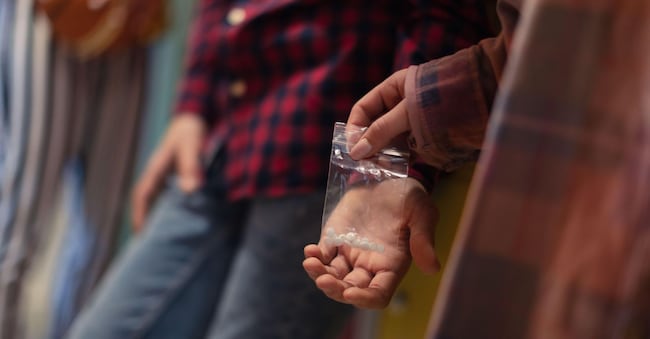
Pandemic-level figures and a battle – the fight against addiction – which, in the words of Under-Secretary Alfredo Mantovano, is described as a ‘war’ to be fought not alone, but together. One figure stands out above all others: by 2025, one in four underage students will have tried at least one illegal substance. Whilst the figure stood at 20 per cent in 2024, this year it has risen to 23 per cent. This figure rises to 26 per cent among 15–19-year-olds. This is the picture painted by the report to Parliament published by the Department for Policies on Drugs and Other Addictions, which presents a “complex and constantly evolving picture”: ranging from the use of psychoactive substances – including new ones, 92 of which were identified in Italia in 2025 – to the use of digital technologies.
Cannabis and cocaine are the most common
Among the drugs taken by young people, cannabis and cocaine remain the most widespread, but there is a growing prevalence of high-potency products and New Psychoactive Substances (NPS), in particular synthetic cannabinoids and new opioids. Among students aged 15 to 19, following the decline observed between 2022 and 2024, there has been a resurgence in the use of, amongst others, opiates, synthetic opioids and ketamine, whilst cannabis, whilst remaining the most widely used substance, has shown a slight decline. Overall, in Italia, cocaine remains one of the substances with the greatest health and social impact and accounts for one third of drug-related deaths. Furthermore, 28 per cent of users in drug treatment services are being treated for primary use of this substance or crack.
Heroin
Whilst heroin – which, for the first time, has resulted in fewer deaths than those attributed to cocaine use – continues to be the main substance for 57 per cent of those currently receiving treatment.
Problematic Internet use
As for new trends in risky behaviour amongst underage students, these include digital-related forms: nearly 230,000 young people have exhibited problematic internet use, and 47 per cent reported having been victims of cyberbullying.
Gaming
The report also focuses on gaming: 17% of students under the age of 18 exhibited patterns of risky gaming behaviour. Finally, gambling amongst minors has reached the highest levels observed in recent years: 64 per cent have gambled at least once in their lives and 59 per cent have done so in the last year. The most common forms remain scratch cards and football betting. Mantovano therefore emphasised that ‘the war’ against addiction ‘requires an extraordinary ability to work as a team’ with the active involvement ‘of the regions, local authorities, social and health services, the local community, schools, the third sector, voluntary organisations and all intermediary bodies, starting with families’.

Brand connect


Newsletter Scuola+
La newsletter premium dedicata al mondo della scuola con approfondimenti normativi, analisi e guide operative
Abbonati