
The World Cup’s mega-business: from 4.6 million spectators in the stadiums to 17 billion impressions
Record figures for the group stage. The attendance rate is close to 100 per cent, with an average of over 64,000 spectators per match. Online, there were 17 billion impressions and 11 billion video views
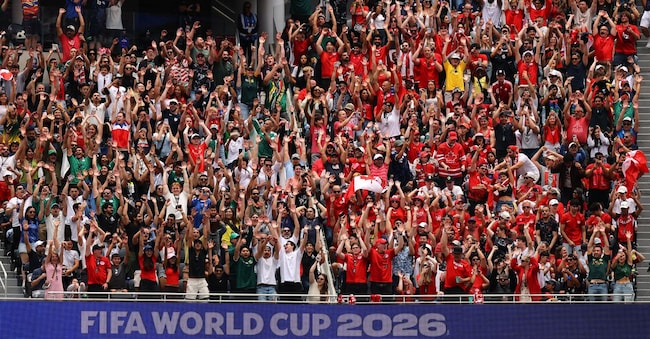
The 2026 FIFA World Cup, which has just entered the knockout stages, is taking the World Cup into a new dimension: no longer ‘just’ one of the world’s major sporting events, but an industrial and media platform capable of redefining the boundaries between sport, entertainment and global consumption.
The figures from the group stage speak for themselves. Over 4.6 million spectators in the stadiums, with an attendance rate of nearly 100 per cent (99.7 per cent) and an average of over 64,000 spectators per match. This figure surpasses the previous all-time record set at the 1994 World Cup in the USA (3.5 million) and reflects a structurally growing global demand. It is no longer just a matter of national pride: fans from 210 countries and territories turned up at the stadiums, confirming the now truly global nature of the sport of football.
But it is off the pitch that the 2026 World Cup marks the real paradigm shift. The 48-team format – a first in history – has made it possible to significantly increase the number of matches (104 in total) and, consequently, the commercial opportunities. More matches mean more TV rights, more sponsors, more digital content and more opportunities for monetisation. This business model is increasingly aligning with that of major global entertainment events.
Attendance figures for the FIFA Fan Festivals – with over 5.5 million visitors during the group stage alone – demonstrate that the ‘World Cup experience’ is no longer confined to the stadium or the TV, but is part of a wider ecosystem of events, experiences and commercial initiatives. In this context, football becomes an economic driver that stimulates cross-sector supply chains: tourism, hospitality, retail and music.
It is no coincidence that the consumption figures paint an almost symbolic picture: 2.8 million beers, 300,000 hot dogs and nearly a million bottles of water sold in the stadiums. At first glance, these figures may seem insignificant, but in reality they highlight the scale of the economic impact generated by the event.


