Bertolucci’s *Novecento* was released 50 years ago: a journey through Emilia (red and black)
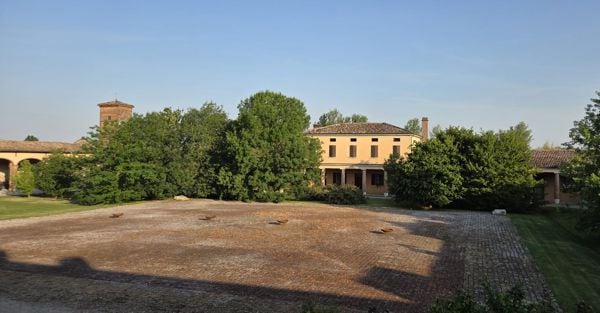
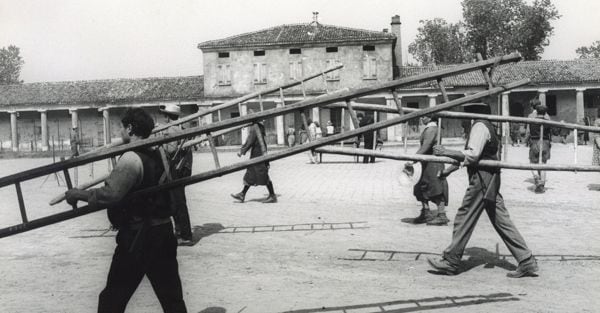
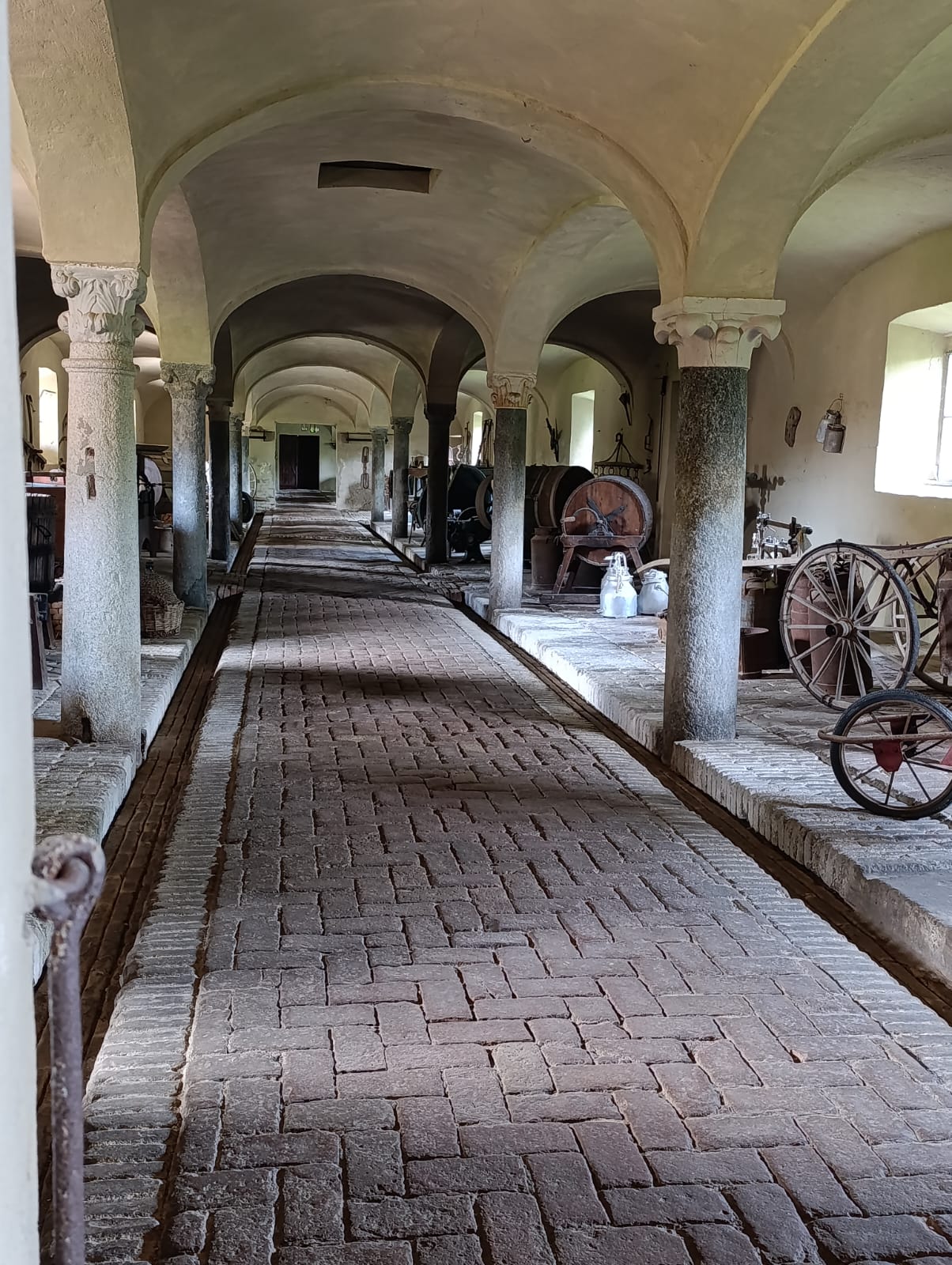
Following the exhibition in Parma, the film sets featuring De Niro and Depardieu have become tourist attractions. Between Roncole di Busseto and Guastalla

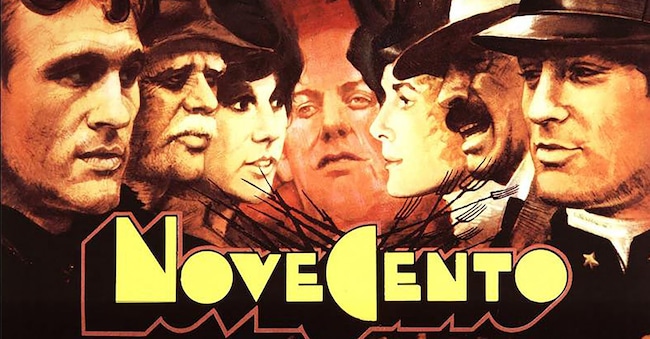
Some films never end. In the broadest sense, and not only that: this is the case with Novecento, Bertolucci’s political masterpiece on the ‘short century’, released half a century ago. The film’s running time is endless: its two parts, released two weeks apart in September 1976 (on 3 and 23 September), run for a total of 320 minutes.
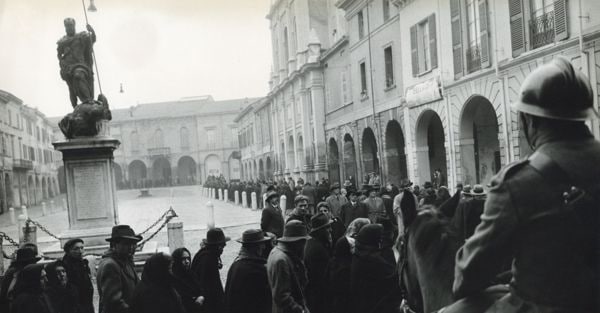
The ambition of the director knows no bounds. Or rather: Author. That is the only way to describe a 35-year-old man who takes the parallel lives of two young men born on the same day in 1901 on the same farm in the Lower Po Valley – a wealthy bourgeois and a proletarian of unknown parentage – and transforms them into the perfect metaphor for the class struggle. Spanning the end of the Belle Époque, the Great War, the first agricultural strikes, the rise of fascism and the Resistance, culminating under the sun on 25 April.
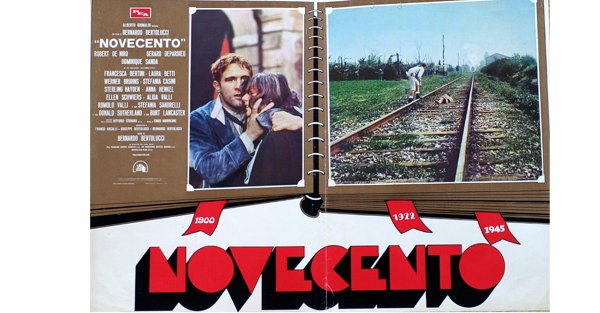
The budget for the Italia-France-Germany-USA co-production with 20th Century Fox at the helm: 4 billion old lire, double the amount it had taken Napoli to snatch striker Beppe Savoldi from Bologna, in what was, at that time, the most expensive transfer of all time. In Novecento, on the other hand, there were stars of the calibre of Robert De Niro, fresh from The Godfather: Part II, and the icon of the Nouvelle Vague, Gérard Depardieu, Dominique Sanda and Stefania Sandrelli, Burt Lancaster and Donald Sutherland, the cinematography of Vittorio Storaro and the music of Ennio Morricone. And we’ll stop there, though we could go on for a long time yet.
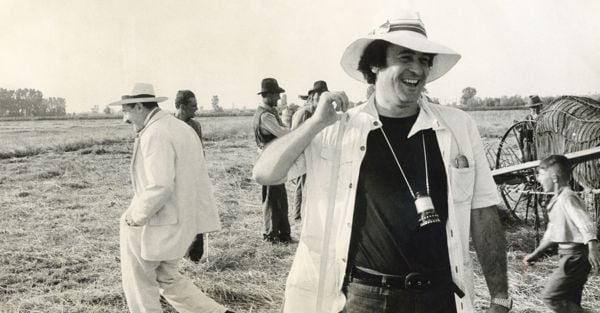
But Bertolucci’s Novecento is ‘endless’ above all because it still speaks to us today: it speaks of workers’ rights in the country where those who oppose the ‘caporalato’ system are burnt alive; of the advent of the mechanical rake in an era when artificial intelligence threatens to wipe out millions of jobs; of the autocratic shortcut that Capital has been attempting for a good hundred years. In short: anniversary or not, there is more than one reason to return to Novecento. Starting with watching the film: the two parts are available to stream on Prime Video in the paid section ‘Once Upon a Time… Channel’.
The exhibition in Parma
Then in Parma, in the Palazzo del Governatore, ‘Bernardo Bertolucci. Il Novecento”, a rich and varied exhibition curated by Gabriele Pedullà, which focused on the making of the film, whilst broadening the discussion to include History (with a capital H) and the stories (with a small h) it recounts. The peasant struggles of the early twentieth century were brought to life first and foremost through The Fourth Estate by Pellizza da Volpedo (the iconic marching proletarian mass that Bertolucci wanted in the opening credits), reimagined in the contemporary version by Taner Ceylan. But there was also an authentic Pellizza (La vecchia nella stalla, 1904–05), just as there were the covers of *Domenica del Corriere* depicting the repression of the first agricultural strikes.