A previously unseen collection at the Palazzo Ducale
The Scharf collection, amassed over 200 years by four generations in Germany, beginning with Otto Gerstenberg, is on display in Italia for the first time

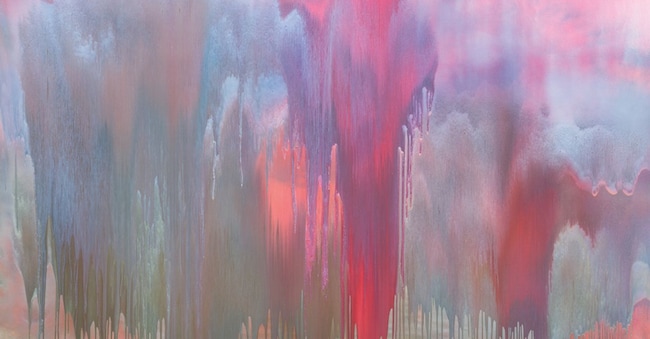
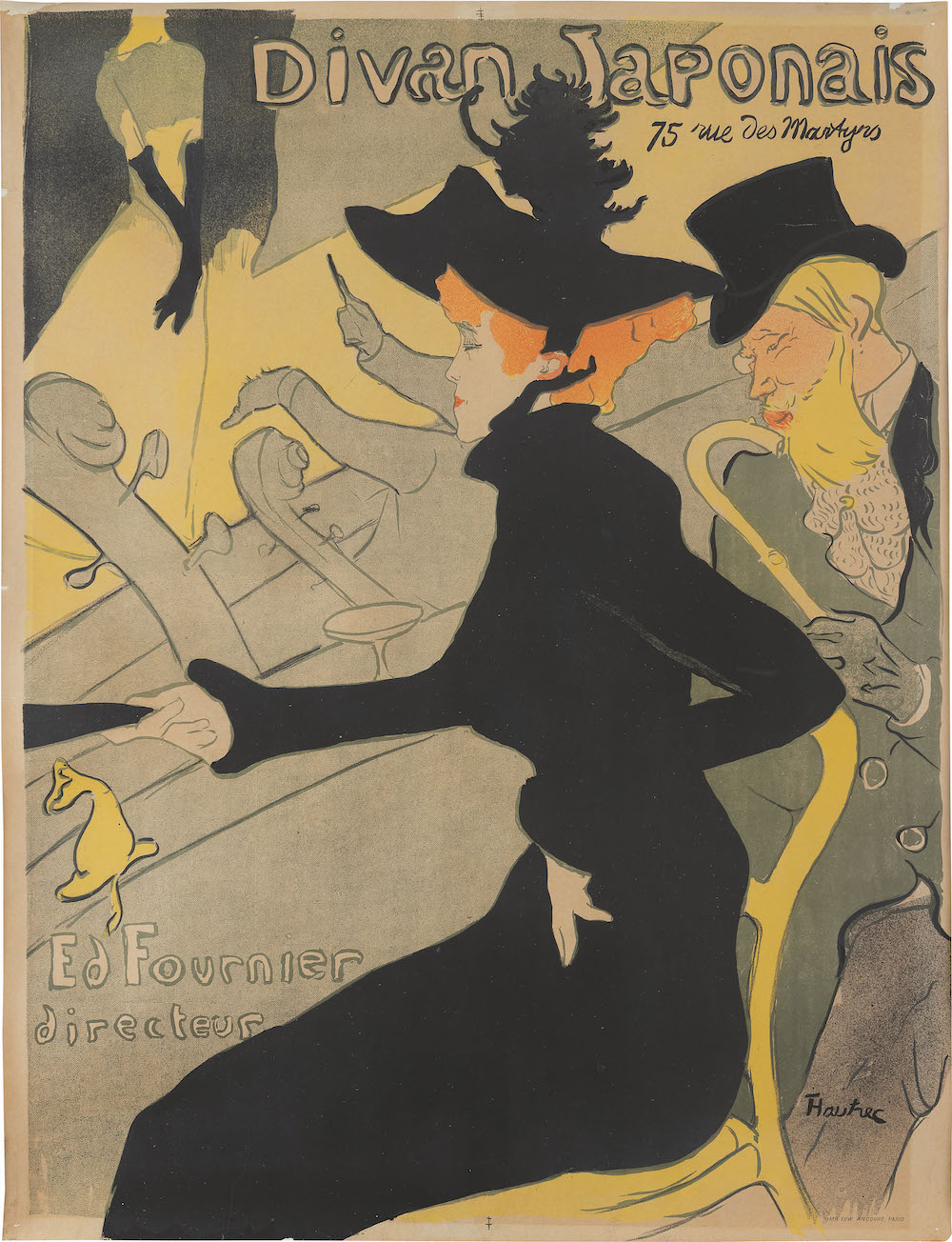
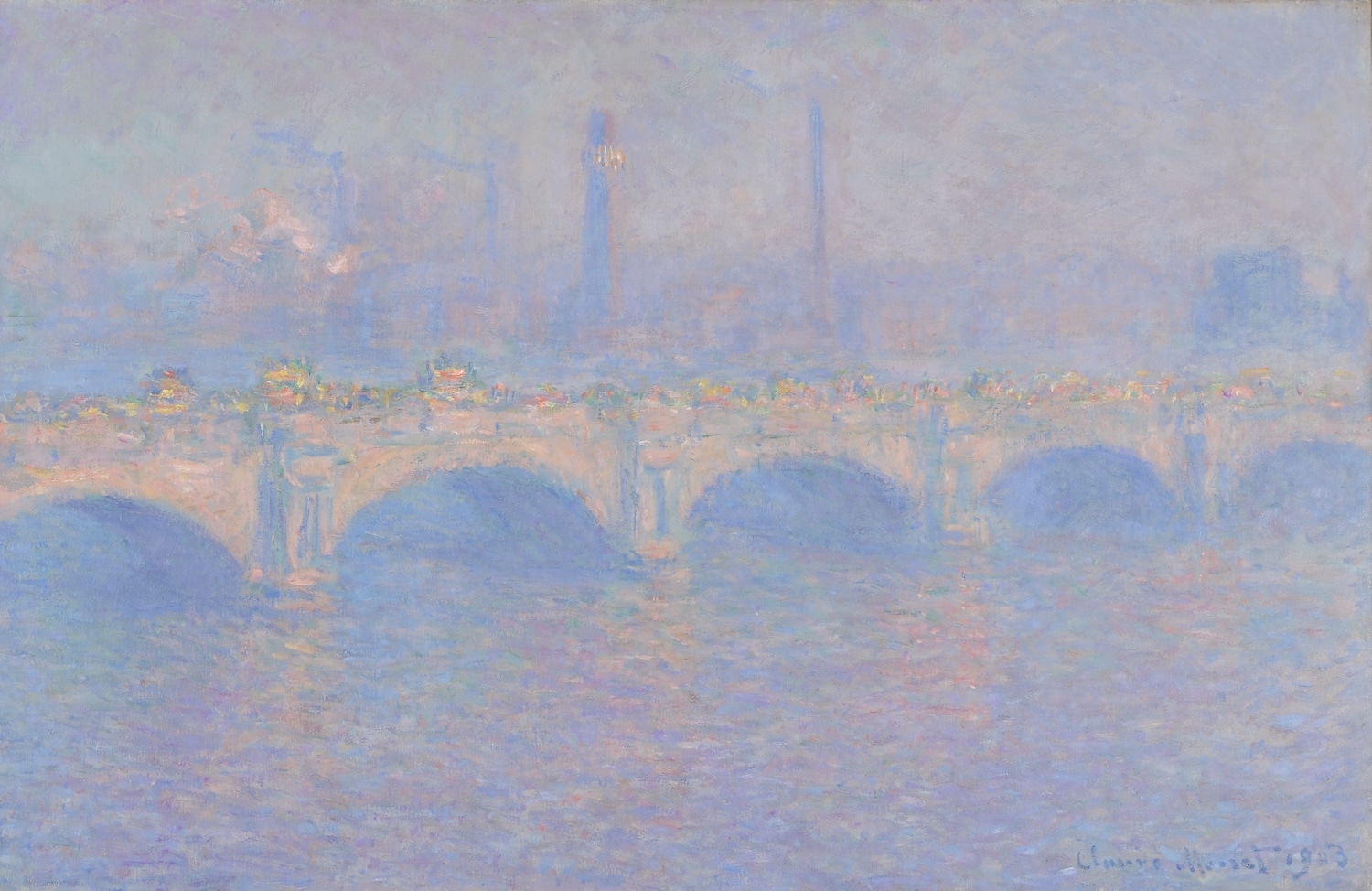
One hundred and forty works, plus a further 30 (works on paper), are on display in rotation at the Palazzo Ducale in Genoa: this is a first for Italy. The Scharf Collection, featuring masterpieces by Renoir, Monet, Toulouse-Lautrec, Cézanne and artists such as Degas, Picasso right through to contemporary artists, has been assembled and preserved over four generations spanning 200 years in Germany, beginning with the Berlin-based Otto Gerstenberg, who, with far-sighted vision, acquired works by the pioneers of Modernism and the French avant-garde in the early 20th century, Germany’s so-called ‘hereditary enemy’. Upon her father’s death in 1935, his daughter Margarethe Scharf, his sole heir, took charge of the collection and managed to save its core during the Second World War. Her grandsons Walter and Dieter Scharf each developed a separate branch of the collection: Dieter focused on Surrealism (more than 250 works), on permanent loan to the Sammlung Scharf-Gerstenberg in Charlottenburg, Berlin, since 2008; whilst Walter, his wife Eve and their son René continued to collect the French collection, featuring Monet, Cézanne, Matisse and Picasso, subsequently expanding it. Today, René Scharf and his wife Christiane Scharf carry the family tradition into the present, collecting contemporary art by Sam Francis, Sean Scully, Daniel Richter and Katharina Grosse, focusing on the evolution of painting and the dialogue between figurative and abstract art. The exhibition at the Palazzo Ducale, curated by Ilaria Bonacossa and running until 2 May 2027, is the result of a collaboration between Mr and Mrs Scharf, MondoMostre and the Fondazione Palazzo Ducale. The exhibition traces two centuries of art history through a selection of works ranging from the masters of Impressionism and Post-Impressionism, including Goya, Tony Cragg and Katharina Grosse, via Corot, Bonnard, Matisse and Léger, with a strong focus on prints, bearing witness to the complex developments in the history of collecting over the past century.
The works were first displayed at the exhibition in Berlin at the Alte Nationalgalerie until 15 February, the Scharf Collection tour then moved to the Museum Kunstpalast in Düsseldorf, where it ran until 9 August; now, for the first time in Italia, 140 masterpieces from the collection – which has long remained private and has an insured value of almost 400 million euros (for the works on display in Genoa alone) – are on show. Could this tour perhaps lead to the works being donated to a museum? In Europe or America? Certainly, American museums, such as the Met, would go to great lengths to secure the Scharfs’ collection.
The history of the collection
One of Germany’s most significant private collections, the Scharf Collection is a family legacy that has been passed down through the generations: it originated with the collection of Otto Gerstenberg (who studied mathematics and philosophy in Berlin and, over the course of a long career, became managing director of Victoria Insurance), his daughter Margarethe Scharf managed to save the core of the collection from the bombs of the Second World War, but she was powerless against the Red Army, which occupied Berlin in 1945. After the end of the war, five of Gerstenberg’s paintings — including works by El Greco and Honoré Daumier — were transported as war booty to Moscow on 30 June 1945 aboard a military aircraft and transferred to the Pushkin Museum. A further 58 works left Berlin by train on 27 September 1945 and were taken to the Hermitage Museum in Leningrad, now once again St Petersburg. Among these was ‘Place de la Concorde’ by Edgar Degas. The collections belonging to Berlin’s museums were returned by the Russians in 1958–59 to institutions in East Berlin and exhibited under the title ‘Treasures of World Culture Saved by the Soviet Union’. Works in private ownership, however, remained inaccessible in special storage facilities for half a century. It was only after the dissolution of the Soviet Union that the Russian authorities decided to present the confiscated works of art in two exhibitions, both accompanied by catalogues published in German: ‘From the Hermitage: Lost Masterpieces from German Private Collections’ (1995) and ‘Drawings by the Masters at the Hermitage: Works Rediscovered from German Private Collections’ (1997). Despite repeated requests for restitution from the Scharf family, the works have never been returned. Finally, in 1996, in breach of international law, the Russian parliament passed legislation declaring war-trophy art to be the property of the Russian state; with some amendments, the law came into force in 2000. ‘For over twenty years we have been trying to get those works back, without success,’ confirmed René Scharf.
The story of a collector
Born in Düsseldorf, René Scharf is the only son of Walther and Eve Scharf. After passing his Abitur, he moved to the United States. Inspired by a night-time flight over Los Angeles with the artist and keen pilot James Turrell, he initially trained as a commercial pilot and flight instructor. Later, recognising his growing responsibilities towards the family collection, he studied art history and business administration in Munich and Berlin.
Having worked in the Contemporary Art and Prints departments at Christie’s in London and New York, René Scharf was commissioned in 1985–86 to undertake a re-evaluation of the print collection at the Museum of Modern Art in New York, which at the time comprised some 45,000 works on paper. In 1988, René Scharf established himself as an independent art dealer, founding Scharf Fine Art on New York’s Upper East Side together with his first wife. Early in his career, he was fortunate enough to acquire a substantial body of work from Universal Limited Art Editions (ULAE), the renowned print publishing house that collaborated closely with artists such as Jasper Johns, Robert Rauschenberg and Barnett Newman.