
Smartphone sector in deep crisis, with sharp price rises due to artificial intelligence
According to Counterpoint Research, retail prices for smartphones have risen by 20 per cent globally since the start of the year

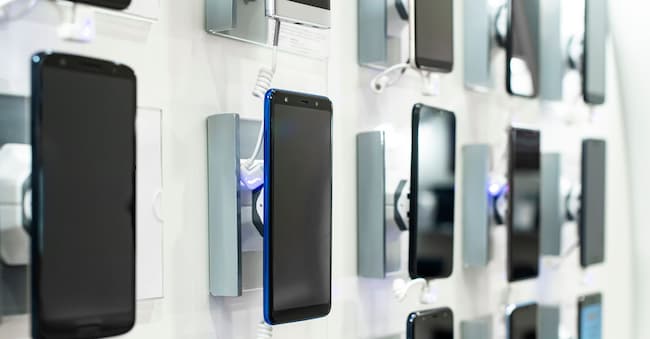
The cost of the race for artificial intelligence is also being felt in the pockets of smartphone buyers. According to Counterpoint Research, retail prices for smartphones have risen by 20 per cent globally since the start of the year. In the third quarter of 2026, global smartphone shipments fell by 20 per cent compared with the same period the previous year, reaching their lowest level for a third quarter since 2012.
Closely related phenomena: the data centres’ insatiable appetite for memory to power AI is reducing the supply available for consumer electronics and causing costs to skyrocket, thereby putting consumers off, who now prefer to put off buying a new mobile phone. They are keeping their old ones for longer or turning to the second-hand (or refurbished) market.
It should be noted that this -20 per cent figure reflects manufacturers’ shipments to retail channels, not direct sales to consumers. However, it confirms a crisis that began in early 2026.
The performance of the various brands was also significant. Samsung retained the top spot with a 23 per cent market share and limited the decline in shipments to 3 per cent; Apple achieved a record market share of 22 per cent in the third quarter. The situation is much worse for manufacturers most exposed to the budget segments: Oppo and Vivo have lost over 20 per cent, whilst Xiaomi has lost more than 30 per cent, falling to 10 per cent of the market. Counterpoint explains that Xiaomi, in particular, has scaled back its presence in the low-price segments and in certain overseas markets to avoid selling at margins that have become unsustainable. The rise in chip prices is, in fact, being felt most acutely on budget models (under 150 euros), where margins are slimmer.
Behind these figures lies, above all, the memory crisis. The major manufacturers – Samsung, SK Hynix and Micron – are allocating an increasing proportion of their investment and production capacity to components for AI servers, which are far more profitable than those for smartphones. Consequently, they are producing less memory for smartphones. TrendForce also reports that a type of memory suitable for smartphones is increasingly being used in servers. The reduction in the supply of memory available for the smartphone market is driving up prices. This trend is set to continue: TrendForce forecasts price rises of 10–20 per cent for smartphone memory in the fourth quarter.

