A2A strengthens collection and networks with 1,500 hires among technicians, engineers and skilled workers
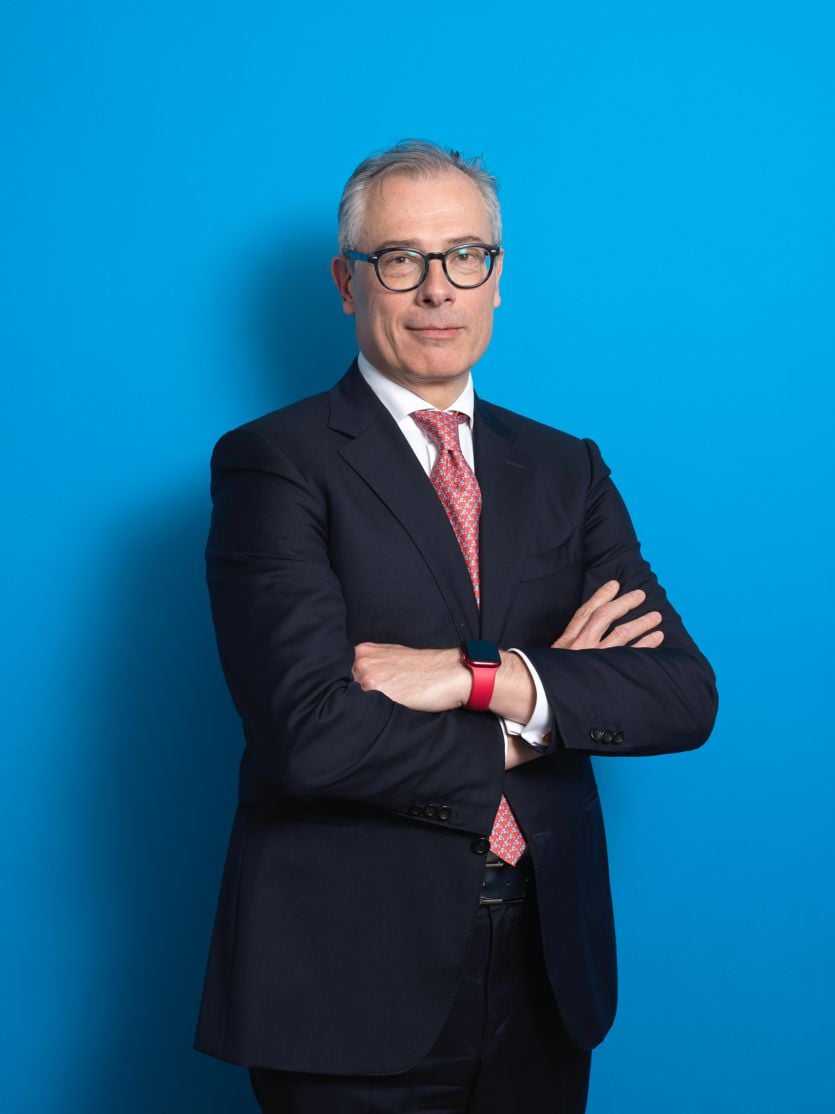
Chief People and Transformation Officer Mauro Ghilardi speaks: the group expands and to overcome misalignment invests 4 million in training and retains people with a shareholding and welfare plan
Key points
A2A is strengthening itself, mainly in collection and networks, with approximately 1,500 new hires among technicians, engineers, and specialised workers who will be added to the more than 14,000 who are already part of the group. Chief People and Transformation Officer Mauro Ghilardi tells us that 'at the end of this year there will be many new faces in our team. We have a turnover of no more than 2.5 per cent among those who decide to leave the company, residual numbers, to which we add those who retire. However, we have important hiring prospects for this year as well, given the national dimension reached by the Group: most of them will be in the world of waste collection and urban hygiene, about 50% are blue collar, specialised workers, who will be hired in Amsa and Aprica, the group companies that manage environmental services in many cities".
Gender balance and generational turnover
The long-term goal, Ghilardi continues, is to achieve a gender balance for blue collar as well: 'already today we are for white collar 50% female and 50% male hires. From a generational point of view, most of the new hires belong to Generation Z'. Among the new hires, '20 per cent are recent graduates who join the group with a Ral (gross annual salary) of between EUR 30 and 35 thousand, which is higher than the national benchmark,' Ghilardi continues. Excluding curricular internships, which we continue to pursue, when we select a graduate we hire him or her with a regular employment contract. We need to change the narrative, however, because in our country we have millions of uncovered jobs due to a lack of skills. It is important to bridge the mismatch between labour supply and demand'.
The 4 million invested in training
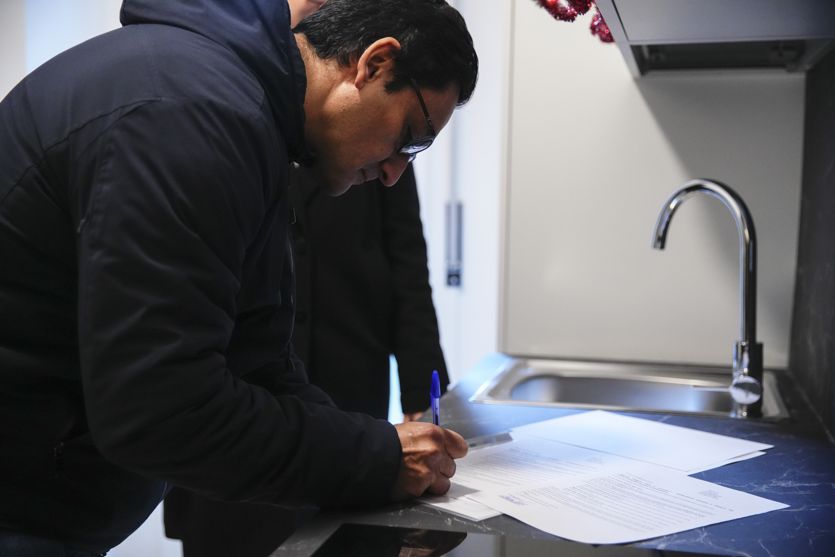
Ghilardi's job is not an easy one because, if we look only at the recruitment side, the company's interest is precisely on those figures in which there is a great shortage on the market, namely engineers and technicians. It is also for this reason that he tells us about the decision to also explore the candidatures of those who do not have a Stem profile and to carry out 'targeted training activities. One example of this is the start of a two-year course for an initial group of 12 graduates between the ages of 18 and 24, hired with an apprenticeship contract, who follow an 800-hour training course - more than half of which is carried out inside our plants - to acquire skills geared towards the energy transition. For the duration, given the difficulty in finding housing due to a shortage of supply and rents that are often too high, we have decided to guarantee housing for young people from outside Milan. We create the skills we need, especially in very specific activities related to our business, such as energy, environment, networks, etc.'. Training is one of the most important chapters of human resources management in the A2A group. "Last year we exceeded 400 thousand hours of training, about 28 hours for each person," Ghilardi explains. This means an investment of more than four million euro, a quarter of which comes from the various training funds available. This year, too, the goal is to reach numbers in line with those of the past, 'with a strong focus on technical training, but also on artificial intelligence and networks, which in 2025 led us to inaugurate the new Brescia pole for the development of skills and innovation'.
Maximum membership in the shareholder plan
Training also includes the whole chapter on financial education, which, put like that, is a little surprising given the nature of A2A's activities. A little less so if you think about the widespread shareholding plan launched in 2025, A2A life sharing, which envisages the allocation, without any financial outlay, of ordinary A2A shares and the possibility of purchasing others at an easier rate, through a so-called 'matching' system that provides for the allocation of further shares without any additional cost depending on how much has been purchased. "It was a way to make people participate in the company's results as well as to do financial education. To promote it, we met more than 4,600 colleagues who are part of our corporate population, which is very diverse in its tasks and where not everyone has the same tools. We organised information points in the different locations, even at 10 or 11 p.m., coinciding with shifts to explain what a share is, how to invest and our share plan. The result was beyond expectations: over 11,000 colleagues, 86% of the people, signed up and received the first tranche of free shares. Overall, over 54% of eligible employees decided to invest by purchasing shares and confirming their trust in the Group. With this result, the programme will have an overall economic impact of about EUR 10 million in the year. For many, this was the first equity investment of their lives and Life Sharing was designed so that those with a lower status receive a greater benefit. It is a tool that beyond the economic value wants to build people's loyalty and make everyone feel they can have an impact on the company's results. It is a true participation, in which workers become full shareholders of the company and can have their dividends linked to the share performance. Since this is a plan that does not want to incentivise trading, we have placed a three-year restriction on the sale in order to create a system that encourages a long-term shareholding culture. Certainly a regulatory change on these plans would be desirable in order to increase the tax benefit for employees'. Looking ahead, the plan is to make the plan even more inclusive by extending it to the workers of those Group companies that are currently outside the perimeter of the eligible population.
72 million euro investment in welfare
A2A has a labour cost of around one billion euros and has, primarily, three national collective bargaining agreements (electricity, gas, water, and environmental services), all of which were renewed in 2025 with economic rewards that have contributed to the recovery of workers' purchasing power. In addition to national bargaining, as Ghilardi explains, we must also consider 'the 72 million euro per year in welfare, which becomes almost 80 if we also consider the purchase portion of the shareholder plan. Our welfare includes contributions to the pension fund, as well as for supplementary healthcare, but also for psychological counselling with over 2,500 meetings requested per year, and the family with initiatives for both caregivers and parents: a child born in A2A has an endowment of about 25 thousand euro by the time he or she turns 18, with a reimbursement of about 10 thousand euro between crèche and babysitting up to the age of 3, and support for different expenses in subsequent years'.