
AAA: salad and tomatoes wanted on supermarket shelves
Unusually hot weather, increasingly extreme weather events and invasive insect species: why supermarkets are running short of bagged goods.

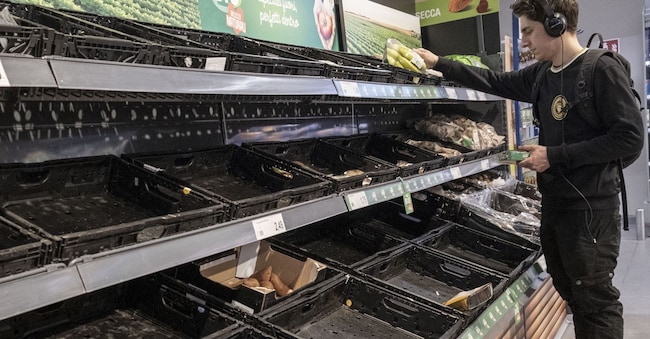
There’s not much salad or tomatoes. Italian consumers are finding it increasingly difficult to find these two vegetables in supermarkets. The reason? The excessive heat in July and August. Vegetables such as carrots, courgettes and onions are spared, as there is no shortage of them.
The causes
Extreme weather events – such as heavy storms and/or hail – which are becoming increasingly frequent, combined with above-average temperatures and alternating with periods of drought, have increased uncertainty regarding harvests. Lettuce, in particular, and tomatoes, to some extent, are the vegetables most affected by temperature fluctuations: heatwaves have delayed growing cycles and reduced yields in fields and greenhouses. At the same time, the volume of produce unsuitable for sale – waste – is increasing. Another effect of climate change is the emergence of invasive insect species, such as the brown marmorated stink bug, which cause damage to crops.
Confagricoltura confirms the figures from Unione Italiana Food: agricultural volumes have fallen, product availability has dropped by up to 40 per cent, and waste due to failure to meet quality standards has risen by 20 per cent. This is backed up by estimates from Istat, which show a structural decline in lettuce production in Italia of -10.5% over the period 2019–2023.
Compounding the situation is the rise in production costs linked to the current geopolitical tensions. As Coldiretti points out, agricultural diesel is used not only to power tractors and other machinery needed for harvesting vegetables, but also to operate irrigation systems, which have become indispensable given the now frequent periods of drought.
The consequences
As Davide Vernocchi, president of Confcooperative’s fruit and vegetable sector, explains, this difficult period for ‘fourth-range’ products – fresh, pre-packaged fruit and vegetables ready for consumption, such as bagged salad – could lead farmers to prioritise other crops. This would result in fewer fields being set aside for the production of the former.

