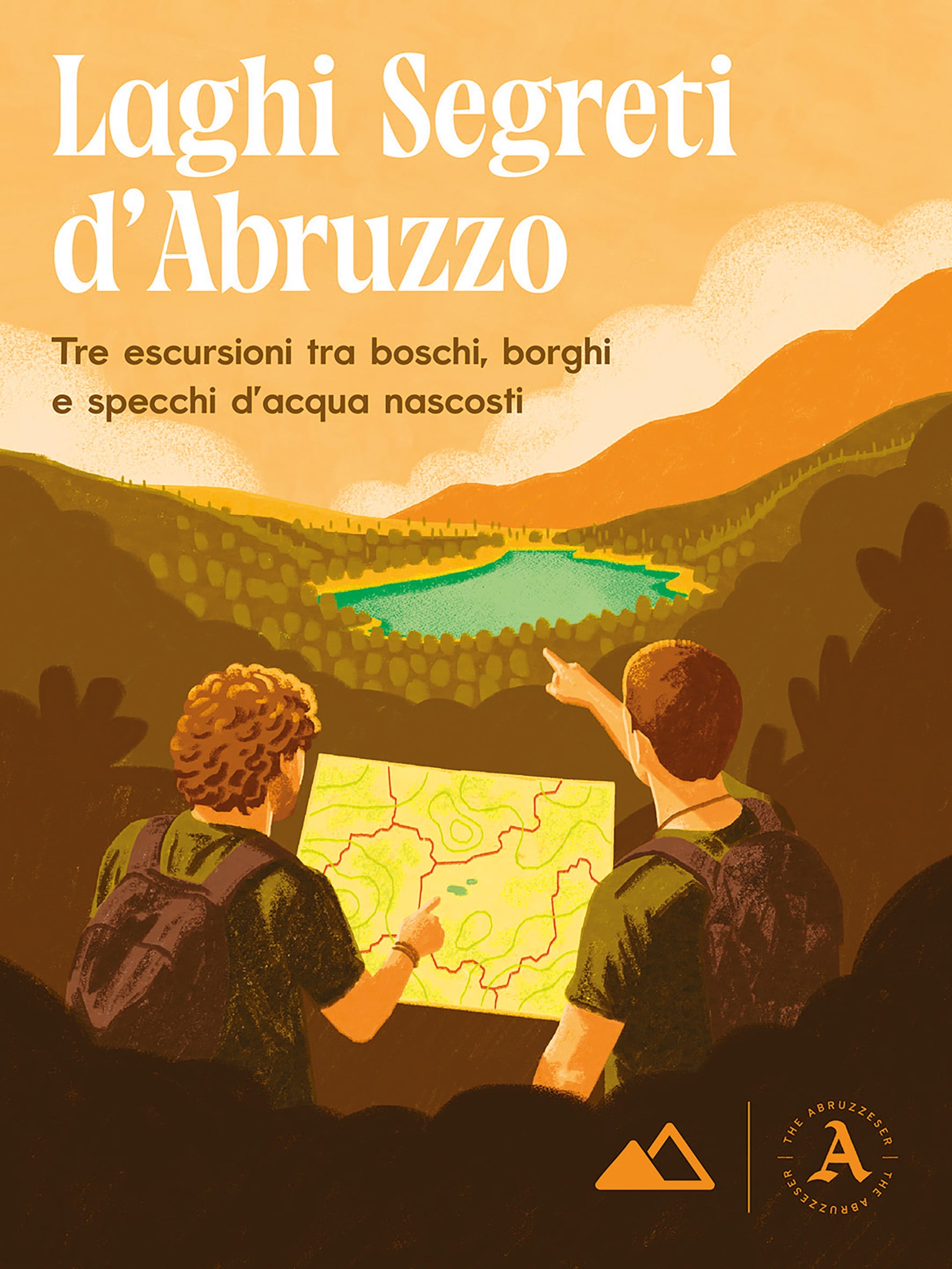
Abruzzo: colour maps to help you discover its hidden gems
The Abruzzeser project, inspired by *The New Yorker* magazine, showcases and helps to breathe new life into little-known places, villages, traditions and stories

Key points
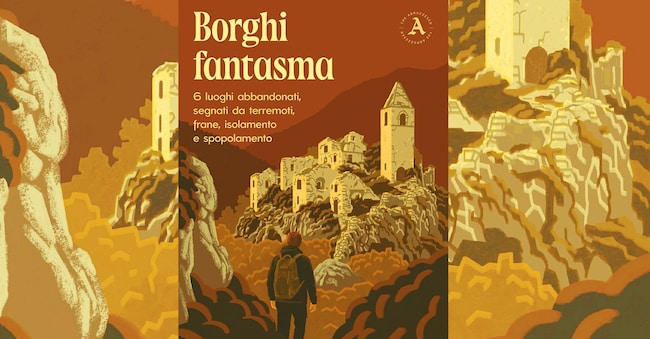
Buonanotte Vecchio, Morino Vecchio, Altovia, Albe Vecchia, Frattura Vecchia, Frunti, Lecce dei Marsi, Serra, Acquaratola, Stivigliano, Vallenquina, Valle Pezzata, Salle Vecchia. And then there are Faraone Antico, Forno, Frunti, Laturo, Torre di Sperone, Tavolero, Martese, Masseri, Piano Maggiore and Pomarolo: these are just a few of the many abandoned villages in Abruzzo, now ghost villages but guardians of history, culture, art and treasures waiting to be rediscovered. In Gessopalena Vecchia, for example, the half-collapsed white-stone houses, the broken-off roads and the remains of the old shops evoke the suspended atmosphere of a small ‘mountain Pompeii’ – a fascinating, silent place where time seems to have stood still. In some of these villages, however, beyond the ivy-covered walls, life is beginning to return.

The Rebirth
This took place in the village of Buonanotte, a small settlement in the province of Chieti perched on a rocky saddle between the Maiella and Lake Bomba: abandoned due to a series of landslides that began in the 1960s, it has been the subject of a successful and replicable architectural and creative regeneration through the project ‘Buonanotte Contemporanea’, through which a permanent art trail has been taking shape since 2020, conceived by CASaA Architetti in collaboration with a group of artists. Today, the village and the nearby Montevecchio woodland can be visited all year round with guided walks and various events (visits are organised by Aigae guides). Another exemplary case is that of Frattura Vecchia, nestled between the Genzana and Rognone mountains, which has been revitalised thanks to a local speciality, the white bean: also known as ‘agiolo di pane’, its history is linked to traditional knowledge and ancient cultivation techniques. New life has also been breathed into the ancient fishing village of Acquabella, inhabited until the 1970s, and into San Donato di Ortona, in the Moro district, which has been brought to life since 2019 by the Acquabella Festival.
Slow tourism
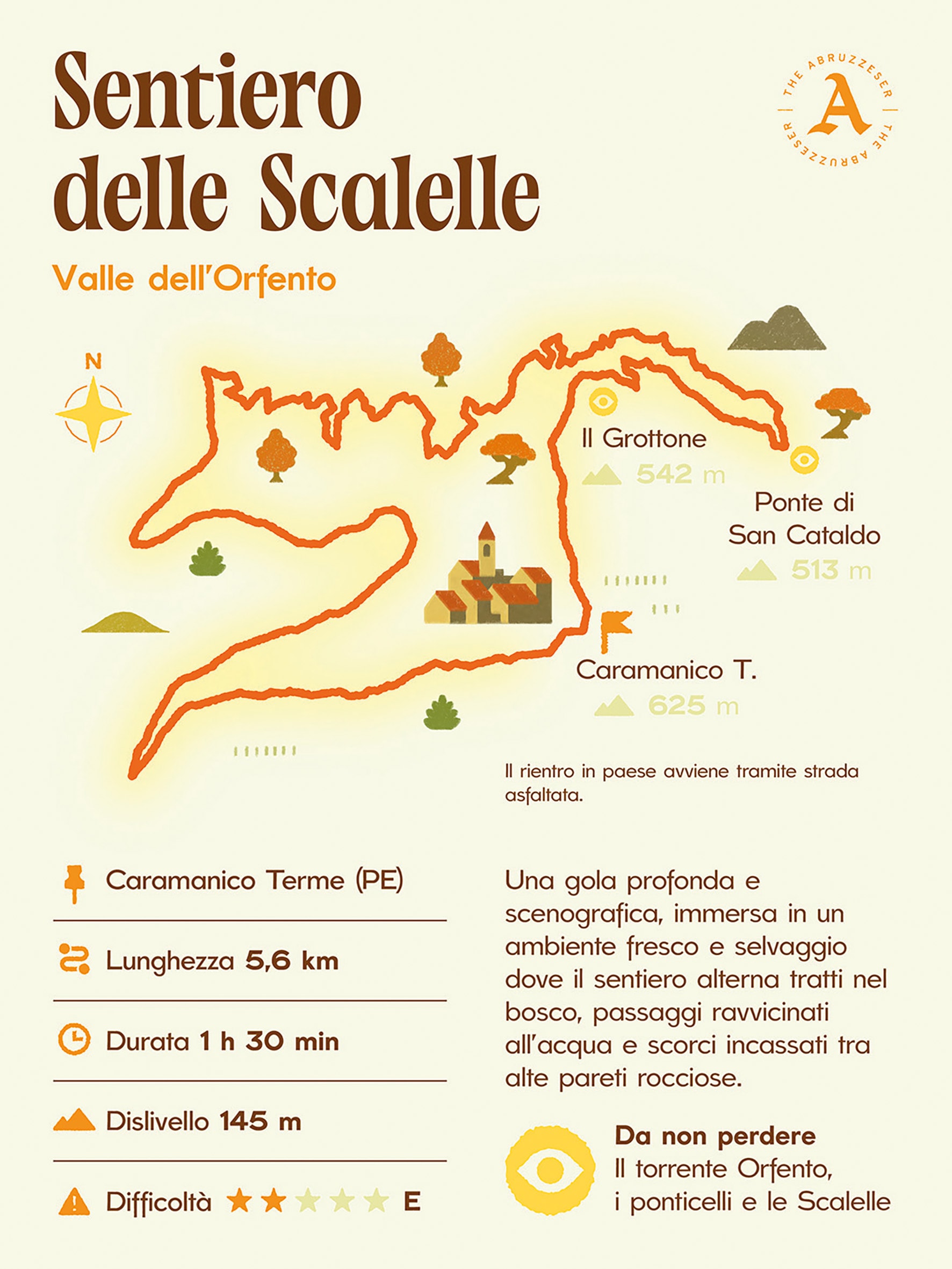
A key step in the development of slow tourism in Abruzzo is the regeneration of abandoned villages, thanks to that virtuous circle that brings together places, experiences rooted in the past, rituals, traditions and dishes that combine simplicity with unforgettable flavours, alongside craftsmanship supported and celebrated by the local community, which welcomes, transforms and involves travellers seeking slow and even transformative experiences. A pioneer of the revival of Abruzzo’s villages was Daniele Kihlgren, who passed away recently (see *Il Sole 24 Ore* of 11 October): with an innovative business model, replicated in Basilicata too, Kihlgren restored the ancient Medici village of Santo Stefano di Sessanio, where, over the course of a century, the population had fallen from 1,400 to around a hundred inhabitants. Kihlgren restored its former spirit with the ‘albergo diffuso’ (scattered hotel) Sextantio. The stonework has been left intact; the accommodation has been renovated with wooden roofs and reinforced with chains – without the use of reinforced concrete – and restored and embellished with period furniture and linen crafted using traditional weaving techniques; traditional crops and seeds have been revived and are now served to guests from all over the world in the dishes at the Sextantio Cucina restaurant.
The Abruzzeser
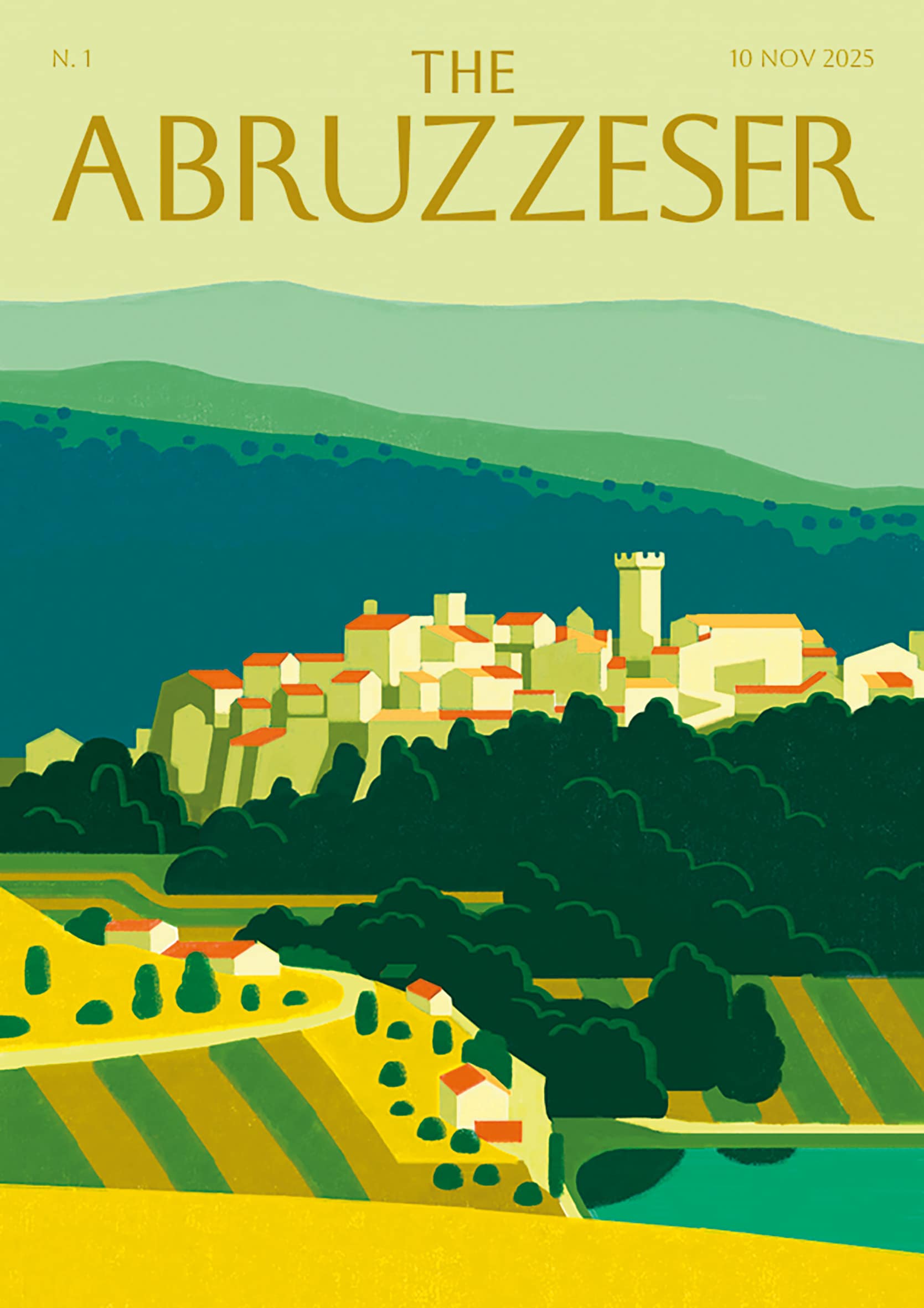
To discover these (sometimes former) ghost villages, you can also draw inspiration from the illustrations by Jacopo Ferretti and his *The Abruzzeser*. Inspired by the famous style of *The New Yorker* magazine, the project draws on other similar publications such as *The Parisianer* (in Paris), *The Milaneser* (in Milan), *The Napolitaner* (in Naples), on which Ferretti – a designer born 39 years ago in Atri – actively collaborated before launching his own project focusing on Abruzzo.
“Landscapes, villages, traditions, local figures, architecture, folklore and local stories take centre stage in a visual narrative that seeks to capture the region’s identity through a contemporary lens,” explains Ferretti. The project, which originated on social media, takes the form of a collection of illustrated posters, each dedicated to a place, a story, a feature representative of the area, or a tradition – such as that of the ‘serpari’ of Cocullo (in the province of L’Aquila), where every 1st May a historic ritual is re-enacted, blending Christian devotion with ancient pagan traditions.