Accademia Carrara: a museum model between past and future
From private collecting to cultural co-leadership: how the institution combines protection, innovation and dual governance to meet challenges

5' min read
Key points
5' min read
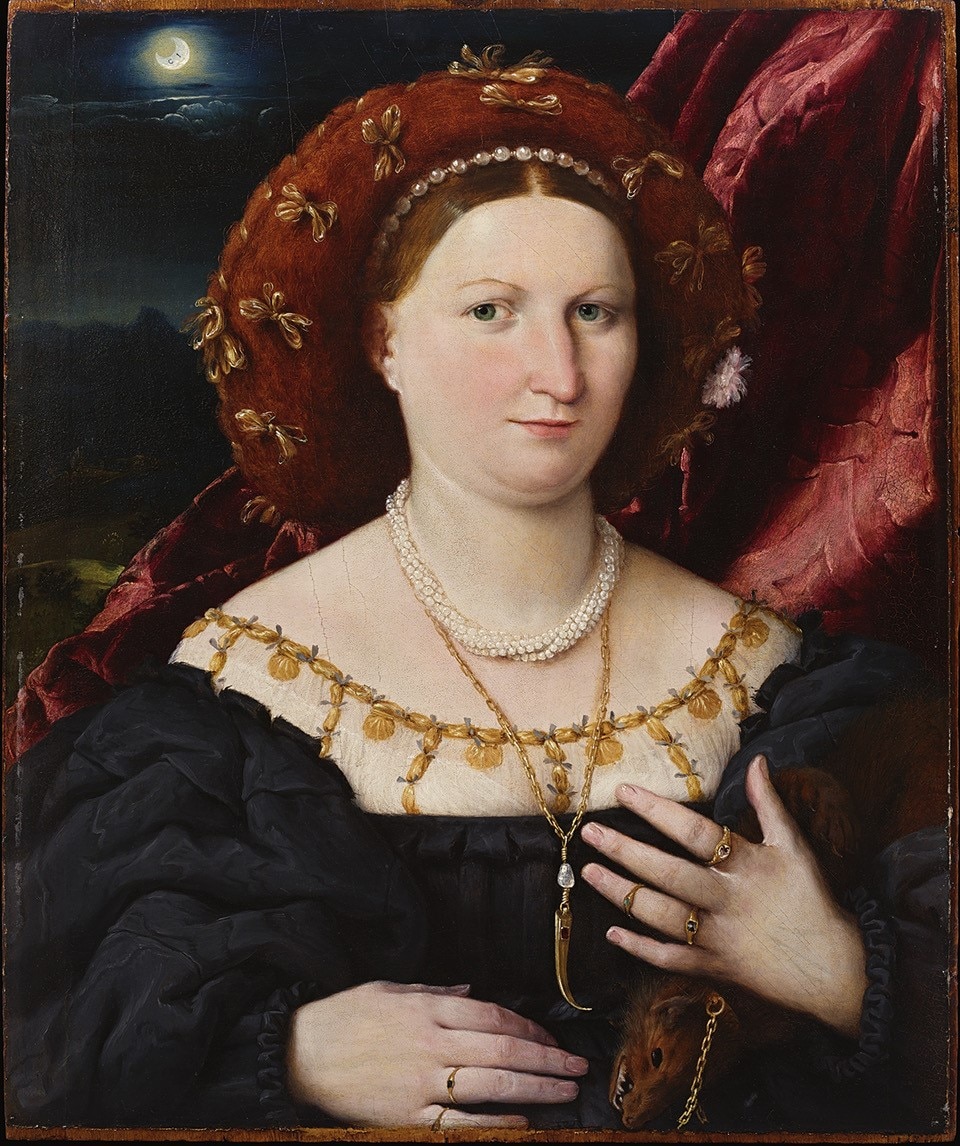
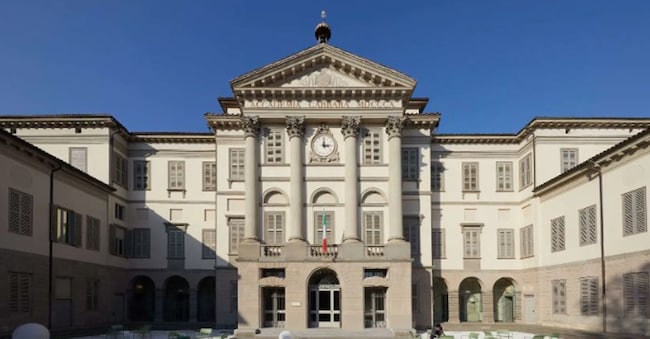
With a rich collection that covers a time span from the 14th to the 19th century, thanks to masterpieces by artists such as Pisanello, Mantegna, Bellini, Botticelli, Raffaello, Lotto, Moroni, Tiziano, Hayez and Pellizza da Volpedo, as well as a collection of drawings, prints and figurative arts, the Accademia Carrara di Bergamo, founded on a private bequest, is the museum of Italian collecting, thanks to the important donations of more than 260 donors, who continue to expand its holdings. The latest one, the Bonifichi donation, has enriched the institute's path in the pictorial panorama of the 18th century, making the presence of authors from Bergamo even more complete.
Until 31 August, on the 500th anniversary of Lorenzo Lotto's departure from Bergamo, the museum's spaces host the exhibition "Dentro Lorenzo Lotto", a preservation and enhancement project dedicated to the "Pala di San Bernardino", following the prolonged closure of the church for consolidation works, enriched by the photographs of Axel Hütte, a photographer belonging to the famous Dusseldorf School who in recent years has dedicated himself to photographing church interiors.
The historical and artistic heritage of the Accademia Carrara is managed by the Fondazione Accademia Carrara, which, since its inception, has chosen a management model inspired by the private world, even though it is a public heritage since the collection
belongs to the Municipality of Bergamo.
The dual model
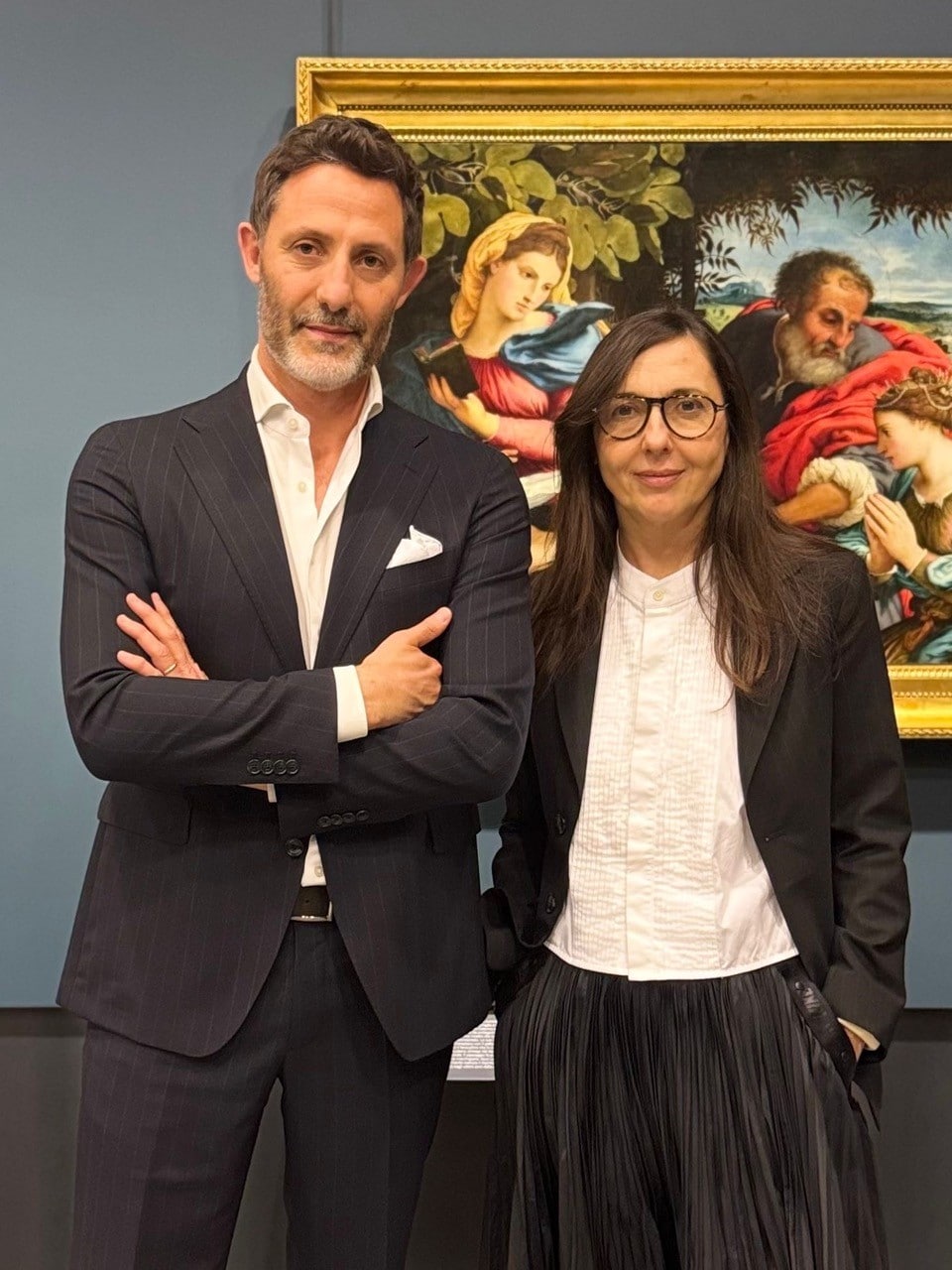
.The idea is simple but sometimes uncomfortable, and few realities on the Italian scene have undertaken it. The theme is to manage a museum by focusing on conservation, enhancement and innovation with a dual or collaborative leadership model, also based on the principle that, in a future full of uncertainties, it is increasingly difficult for a single individual to possess all the skills and abilities needed to lead a complex organisation. As various international experts point out, co-leadership allows one to think big and achieve results that exceed the capabilities of the individual. In the case of the Accademia Carrara in Bergamo, the dual model sees Maria Luisa Pacelli, an art historian, at the helm of the museum since last December and for the next four years, while the operational management is entrusted to Gianpietro Bonaldi, the museum's general manager.