
Fuel excise duties: another extension to the reduction. Targeted support set to begin in October
A new decree offering two weeks of discounts is set to be presented to tomorrow’s Cabinet meeting. As for tailored support measures, the ruling coalition has yet to reach agreement on the target groups for these measures

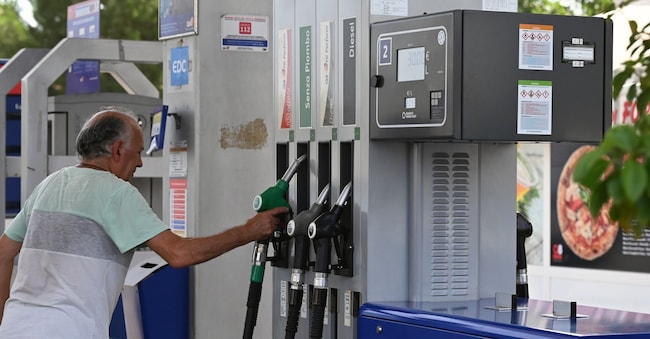
With oil prices once again hovering around $100 a barrel, there is mounting pressure for the government to introduce further measures to curb fuel prices. However, the difficulties in reaching a majority agreement on which groups to target with tailored support mean more time is needed to put together the framework for ‘targeted aid’. Amidst this stalemate, yet another extension of the across-the-board cut in diesel excise duties is taking shape, even though the government would prefer to avoid another stopgap measure and move swiftly on to the next phase. However, a new decree must be approved tomorrow, because allowing the discounts – which are due to expire at midnight tomorrow following the latest interministerial decree on variable excise duties – to lapse would push the price of diesel up to a peak of 2.34 euros per litre. And the absence of new measures would leave the government and the ruling coalition open to criticism on the highly sensitive ground of the battle against inflation.
Three stages
It is against this backdrop that the framework discussed at yesterday’s meetings has taken shape. The idea is, once again, a three-stage approach, beginning with a further extension of the diesel discount for around fifteen days, leading on to a quarterly selective support scheme to cover October, November and December. The budget should then address the situation from 2027 onwards, also in light of how the situation develops. However, the figures, timetable and strategies are still subject to change, as they depend on a number of variables.
2.61 billion spent so far
The practical constraints are, of course, dictated by the public finances. The series of excise duty cuts, which began on 18 March and has so far comprised 14 instalments – half of which are decree-laws and half interministerial decrees financed by VAT windfall revenue – has already cost 2.075 billion, to which must be added 537.6 million for tax credits for road haulage, agriculture and fisheries. Total: 2.613 billion.
A further 15-day extension would require funding of around 180 million, a substantial proportion of which would again be allocated to those who could manage without state aid because they do not belong to the lowest income brackets.
Targeted aid
This is yet another reason why the Government would gladly do without this move, so as to move straight on to the ‘targeted measures’ announced by Prime Minister Giorgia Meloni last Friday whilst celebrating the Government’s record tenure in Bari. However, this objective does not currently seem within reach, given the political – as well as technical – acceleration it would require.


