
Aesthetic medicine, growing interest among young people of generations Z and Alpha
What's new at the Agora 2025 Congress

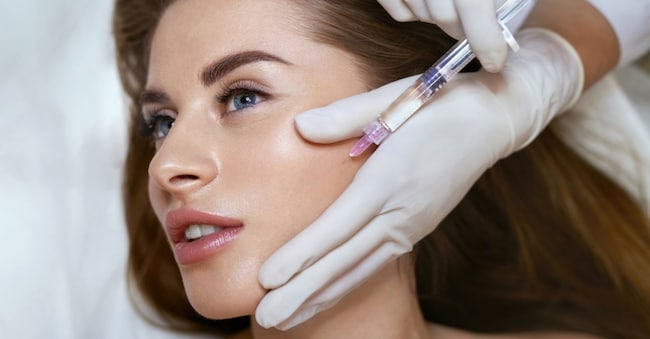
Aesthetic medicine of the future is not just vision, it is method. It is tailor-made care, with profound attention to the patient's identity, the safety of procedures, and the sustainability of results over time. This is the message that emerged from the 27th edition of the Agora International Congress of Aesthetic Medicine. A Congress that every year proves to be a success: over 7000 participants, 654 scientific contributions, 27 live injection sessions and almost 200 exhibitors.
"The theme chosen for this edition 'Precision Beyond the Surface' is an invitation to go beyond standardised protocols to embrace customised aesthetic medicine, guided by accurate diagnoses and respect for the uniqueness of each patient," says Professor Maurizio Cavallini, plastic surgeon and president of Agorà. In confirmation of an increasingly integrated vision, Agorà strengthens its collaboration with scientific societies of reference in plastic surgery, dermatology, gynaecology and urology to build a multidisciplinary dialogue that is truly part of the health system. Responsibility in aesthetic medicine is a challenge that involves everyone and Agorà is always active in promoting ethical and informed behaviour. An example of this is the national campaign 'Aesthetic Medicine: Instructions for Use', an institutional initiative that provides practical tools to help patients choose qualified doctors and safe treatments, while combating abusive practices'.
The most popular treatments
Data from the Agora Observatory offer a clear picture of the new trends in aesthetic medicine, highlighting the growth of interest among young patients of the Z and Alpha generations, who are increasingly attentive to prevention and self-care. In the under-18s, aesthetic medicine does not enter by right, but by reflection: their idea of beauty comes from the screen, not the mirror. It is an aesthetic of belonging rather than of change, in which identity is built through sharing. It is a different story for Gen Z (18-30 years old), who have grown up in the selfie era and are torn between the desire for authenticity and the cult of the image. Lips (81%) and skin care (76%) remain priorities, but there is growing interest in pre-juvenation, i.e. the prevention of ageing through light and targeted treatments, before the signs of time appear. This is the expression of the better-aging philosophy, rather than anti-aging: maintaining freshness without altering the features. Another significant statistic concerns loyalty to the aesthetic doctor: after the first consultation, 55% of patients return at least three times to the same professional. The average expenditure remains stable between 1,000 and 3,000 euro per year for 63% of patients. The most frequently treated areas in women are: lip fillers (61%), nose-jowls (54%), cheekbones (47%), jawbone (43%) and periocular area, which is growing steadily. Treatment with botulinum toxin is always in demand. In men, Botox dominates (62%), followed by fillers (57%) and revitalisation (46%). On the body, women mainly choose mesotherapy (80%), carboxytherapy (76%) and laser hair removal (74%). Treatments for buttocks (55%) and under chin (31%), once marginal areas, are growing. Among men, laser epilation (65%) and carboxytherapy (52%) remain stable, while tattoo removal falls (41%, compared to 56.5% the previous year), to the advantage of treatments for the abdomen and under-chin.
The importance of skin quality

