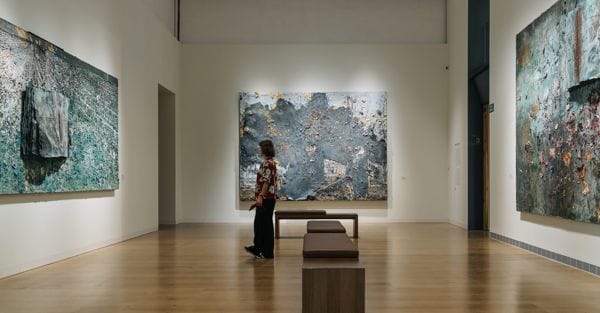
Affective geographies: the contemporary art scene in Spain
Herrero tells about his Foundation, which deals with culture in a broad sense, from dance to the restoration of the city's heritage.
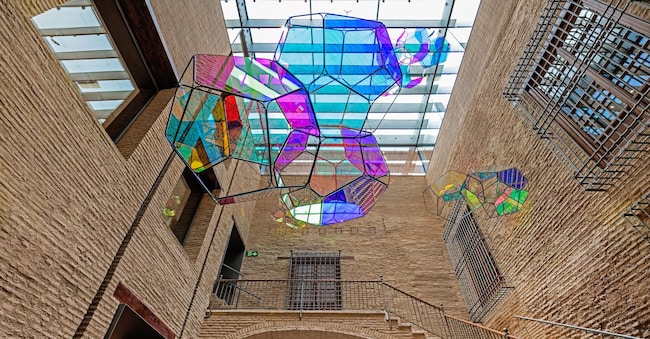
The contemporary art scene in Spain is an ecosystem in continuous transformation, which is experiencing a season of great vitality thanks to new openings of museums and cultural centres, the activity of increasingly international galleries and fairs, and the commitment of collectors and institutions working to bring art closer to the public. In this rich and dynamic landscape, Valencia emerges as one of the poles of cultural regeneration and sustainable tourism, with institutions capable of giving back to the city its historical heritage and, at the same time, projecting it into the present. The city is home to the IVAM - Institut Valencià d'Art Modern, the first modern art museum in Spain, and this year sees the opening of two more new museum spaces dedicated respectively to Joaquín Sorolla and Manolo Valdés, outstanding Valencian artists.
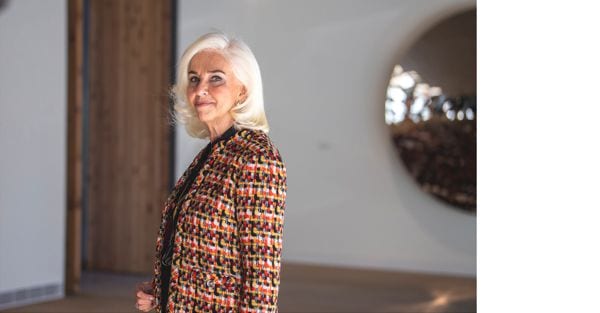
Valencia is also the city of Hortensia Herrero, an entrepreneur and patron who transformed her love for art into a shared project, based on a sense of responsibility towards cultural heritage and the community that lives it. Hortensia studied economics at the University of Valencia, where she met her husband Juan Roig; together they worked at Mercadona, the family business that is now the leading supermarket chain in Spain. Alongside her entrepreneurial career, there is a thread with her past that has never been broken: "Even as a child, I went to painting classes," she says. 'Art has always been present in my life'.
Her entry into collecting came naturally, almost without realising it: a work received as a gift from her husband on their first wedding anniversary, visits to museums and galleries and the first acquisitions including, in 1998, Jarrón azul by Manolo Valdés, which she considers the first official work in her collection. "It is one of the works I am most fond of," she confides with a smile. The most recent acquisition, on the other hand, is an imposing chair from Jean Dubuffet's L'Hourloupe series, conceived not only to be admired, but to be experienced and shared, in line with the artist's thinking that art should be part of everyday life. Her choices follow a simple rule: buy what moves her. "I only buy what I like. That way I can't go wrong'. Valdés was followed by other Valencian names - Sorolla, Juan Genovés, Andreu Alfaro - in an affective geography that speaks of roots and belonging.
"My passion for art and culture, combined with my love for Valencia, inspired me to create the Foundation that bears my name. Valencia, the city that saw me grow up, possesses a rich cultural heritage that, with the passage of time, if not taken care of, deteriorates'.

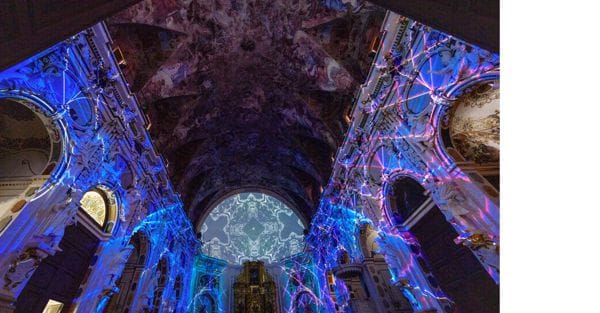
The Fundación Hortensia Herrero was created in 2012 with the aim of promoting sensitivity towards art and culture in the Valencian Community. The Foundation acts in three main areas: heritage restoration, dance and contemporary art. Among the most significant heritage restoration projects are the church of San Nicolás - now known as the Valencian Sistine Chapel - the Colegio del Arte Mayor de la Seda and the church of Santos Juanes. In the field of dance, the Foundation supports the International Campus to promote dance among young people every summer; the Somos Arte gala with international dance stars; and the Ballet Vale+ project to promote dance for therapeutic purposes. As for contemporary art, it participates each year with a prize-giving in Abierto València - the international event run by the city's contemporary art galleries association to inaugurate the new cultural season in September - and mounts temporary exhibitions that focus on the dialogue between Valencia and the collection. In 2013, the meeting with the curator and critic Javier Molins brought order and strategic vision to the collection, giving it a more international imprint with works by artists such as Anselm Kiefer, Anish Kapoor, David Hockney and Tony Cragg, and later developing the idea of creating a centre open to the public.