
After the Olympics? A great Sport-Tech programme for Generation Z

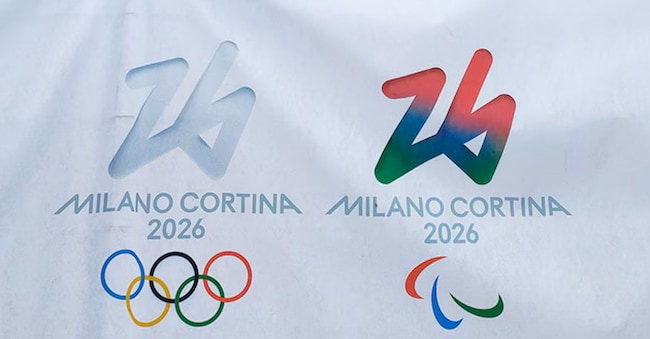
What will remain of these Milan-Cortina Olympics? Meanwhile, the sound of peacetime, the smiles of tourists, the expectation of good: a respite. And the many young people: crowded around the torchbearers, the rinks, the ice rinks. It was truly the Youth Olympics: in Milan alone, more than 180 thousand candidates for 18 thousand volunteer positions. But why always volunteers? Given that the Olympics are increasingly a powerful economic engine, it is time for the legacy of these great events to become an opportunity for real social impact that puts young people at the centre: a plan for new skills and employment thanks to the emerging Sport-Tech sector, born from the intersection between sport and technology, ranging from innovations in the field of athletes' performance, to virtual sports, to all aspects of team management and entire sports sectors. A development also traced by the International Olympic Committee's Agenda, which focuses on digital transition and the spread of technological skills to strengthen 'digital engagement' by developing new areas such as virtual sports. Sport-Tech also transversally impacts all crucial junctures in the life cycle of major sporting events and in particular: mobility, infrastructure, security, fan and community engagement, and AI-induced transversal acceleration. Sport-Tech is an ecosystem that is also experiencing exponential growth in Europe, but which in Italia suffers from structural fragmentation. It would therefore have great impact, now, in the heat of our Olympics, to launch a real programme of upskilling and potential employability for young people, starting with innovative training that integrates transversal skills typical of Sport-Tech. Not only at university level, but also with ad hoc training courses for secondary schools and vocational institutes, creating widespread and accessible opportunities. Fundamental to a real Sport-Tech plan is the immediate involvement of Italian companies, even smaller ones, which represent true excellence in the various aspects of Sport-related technology: security systems, digital systems, AI, biomedical, digital marketplace, high-tech sports equipment. These realities can also ensure training know-how through internships and apprenticeships. It is also essential to incentivise new entrepreneurship among young people in areas such as: digital sport experience; health and sport; alternative systems for digital sport enjoyment; development of enabling and interactive technologies. In short, a great opportunity not to be missed! That being said, the ultimate goal of a large post-Olympics Public-Private Partnership Programme should above all give Sport the opportunity to do what Sport does best for our Next Generations: to prepare them for a new active Global Citizenship, across Continents, above divisions, to prepare them for the noise of peacetime.
*Director, International Program in Public and Cultural Diplomacy, Università Cattolica del Sacro Cuore

