
Aggressive telemarketing, 43 million calls filtered since 19 August
From 19 November, the second clampdown on mobile phone calls begins. For consumer protection associations, 'new measures are needed at source'.

2' min read
Key points
2' min read
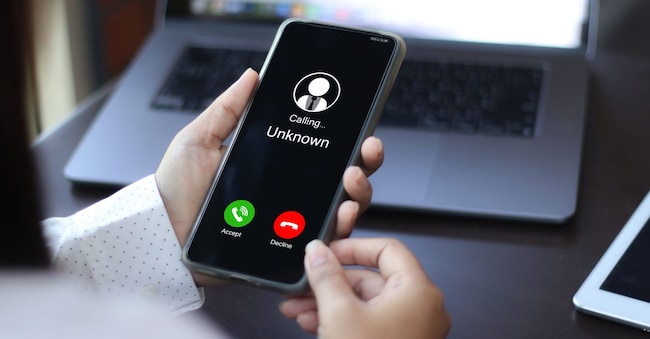
The crackdown on nuisance calls has worked, even if some knots remain to be unravelled. The first balance of the anti-spoofing measures, provided for in the Agcom regulation, which came into force on 19 August, speaks of 43 million filtered calls, or 1.3 million spoofed calls per day blocked. "A considerable figure," Agcom emphasised in a note, "which represents over the entire period, 5.74% of the total number of calls received by Italians. In an early period, the spoofing rate even touched thresholds of 60%'.
Countering unwelcome phone calls
.The aim of the measure is to combat the phenomenon of spoofing that affects telephone calls, 'consisting in the manipulation of the information that carries the identity of the caller, the so-called CLI, in order to prevent its identification and recall (the user displays a number that does not correspond to the person who actually originated the call). This practice is prohibited by Italian law and regulation'.
Filters for blocking foreign calls
.A phenomenon that, they point out, 'is currently largely attributable to calls from abroad. For this reason, actions to combat the phenomenon have primarily focused on calls from abroad, introducing 'filters' capable of blocking telephone calls with a clearly altered CLI before they are fed into national networks'.
The onslaught drops at weekends
.A reading of the data released by Agcom reveals a reduction in spoofing attempts from the date the blockade was initiated. An analysis of the data also reveals a certain weekly variability of traffic. 'Total call volumes, and consequently also those of blocked calls, decrease dramatically at weekends,' writes Agcom. This fluctuation appears to be consistent with normal traffic patterns, which see a reduction in commercial and telemarketing activities, often the source of fraudulent calls, during non-working days. An even more pronounced drop is recorded during the summer holiday period, in particular during the week of Ferragosto (bank holiday)'.
The new squeeze from 19 November
As of 19 November, the new squeeze is expected to affect calls from the mobile network.

