
Agreement between industry and the road haulage sector on drivers
A Confindustria initiative to improve drivers’ working conditions and boost the competitiveness of supply chains

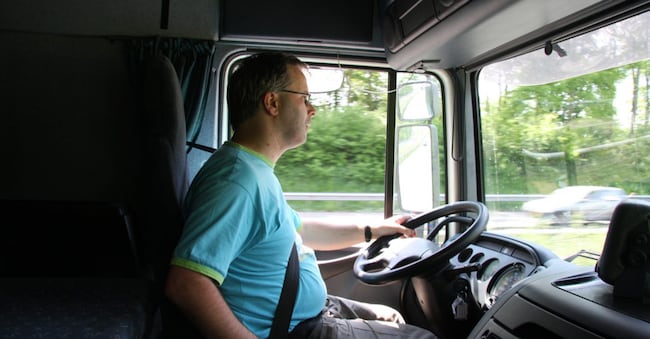
An agreement between industry and the logistics sector to recognise the role of road hauliers, and in particular heavy goods vehicle drivers, who are crucial to mobility and whose contribution is vital to sustaining the competitiveness and functioning of the country’s economic system.
This is the objective that the Confindustria system proposes to businesses through their endorsement of the ‘Welfare on the Road’ manifesto. Among the 10 welfare measures listed in the manifesto to improve drivers’ working conditions are: a reduction in waiting times during the loading and unloading of goods; the option to extend the opening hours of loading and unloading points; access to toilet facilities and rest areas; safety, training and technological support. All of this is aimed at making the driving profession more comfortable and attractive.
The public presentation of the document took place on Tuesday 13 October 2026 at the Confindustria Brescia headquarters. Those present included, amongst others: Leopoldo Destro, Confindustria’s vice-president for transport, logistics and the tourism industry; Paolo Streparava, President of Confindustria Brescia; Giuseppe Pasini, President of Confindustria Lombardia; Riccardo Morelli, President of Anita (via live stream). Participation is voluntary, and companies will have complete autonomy in implementing the recommended measures in the way that best suits them.
Today, the Italian road network is under pressure. Yet over 90 per cent of goods are transported by road. And the key figure relates to human capital. The European Commission has estimated that, by 2025, there will be a need for around 444,000 drivers across Europe, a figure set to rise to 745,000 by 2028 unless targeted measures are taken. In Italia, the shortfall already exceeds 25,000 drivers and is set to increase over the next five years, as many will be reaching retirement age. This highlights a structural problem that requires concrete and immediate action. Destro says: ‘For a manufacturing country, the ability to move goods is industrial capacity. Transport and logistics are the first and last links in the production process, because the process only ends when the product is delivered to the end customer. Within this system are the drivers, who ensure the continuity of these flows.’ Now, however, the stability of the road haulage sector is threatened by a shortage of drivers, with young people finding it difficult to enter this profession.
Destro continues: “This is the basis for the document promoted by Confindustria in collaboration with Anita: ten measures to enhance the role of drivers and build more collaborative relationships between businesses and hauliers. Because the competitiveness of ‘Made in Italy’ products also depends on the ability to deliver them to markets efficiently and on time.”


