
Agreement on the healthcare contract: pay rises of 240 euros for nurses
An agreement has been reached between Aran and the trade unions, bringing the 2025–27 round of pay negotiations for the public sector to a close in record time: back pay of up to 2,400 euros

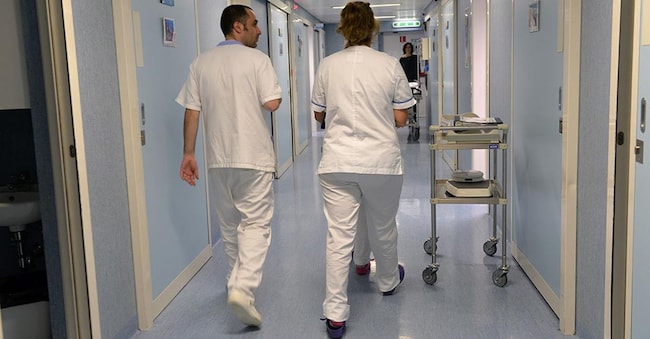
The recent signing of the agreement on healthcare brings the negotiations on the 2025–27 national collective agreements for the public sector to a close. For the first time, the agreements for an entire round of negotiations have been finalised halfway through the three-year period in question, leaving only negotiations on senior management to be concluded in the coming months.
On your payslip
The healthcare agreement covers 592,638 employees and allocates resources totalling 2.26 billion once fully implemented, drawn from the contract’s own funds (1.537 billion) and additional allocations totalling 723 million provided by the budget measures and earmarked for bolstering allowances for nursing-specific duties (480 million), ‘patient care’ (208 million) and A&E (35 million). It is precisely these allowances that determine the varying effects the agreement has on different categories of staff. As always, the largest figures relate to nurses, who number around 270,000 and thus account for 45 per cent of the sector’s employees. For them, the agreement provides for average increases, once fully implemented, of around 240 euros per month, and a one-off payment of 2,400 euros for arrears accrued between 2025 and the months of 2026 not covered by the renewal, assuming that the renewal will take effect from the November payslip (following the agreement, the figures will be subject to scrutiny by the Accounting Office and the Court of Auditors before final signature). For other employees, the average monthly increase stands at €209, comprising €145 under the collective agreement and €64 from additional components. These figures represent a 7.76 per cent increase in pay.
Record-breaking tempos
The latest discussions have centred on the adjustment of certain allowances, the mechanisms governing professional pay differentials, and a number of issues relating to the perennial organisational challenges concerning working hours and rest periods. An agreement was reached after just three months of negotiations, confirming the fast-track approach already adopted in this round of talks for local authorities and the education sector, as well as for central government departments.
Other news
The healthcare contract follows these precedents in many of the regulatory changes introduced by the text. Among these, it is worth noting the recognition of allowances even on days off (referred to here as the ‘holiday allowance’), introduced by the most recent renewals to resolve a protracted legal dispute that culminated in court rulings pushing in this direction. The healthcare sector is also seeing the introduction of a set of rules on safeguards regarding the use of artificial intelligence in staff management and appraisals, the standardisation of annual leave entitlements for all staff, with the addition of two days for newly recruited employees, and a review in July next year of any discrepancies between inflation trends and wage trends. The text has continued to be expanded, meeting by meeting. Among the latest additions, which will be discussed today, are the possibility of supplementing funds for assignments and bonuses when staff numbers increase, the introduction of a Disability Manager, responsible for the employment of people with disabilities, and compliance with the new rules on equal pay for men and women.


