Property market

The price of agricultural land is rising, but an oversupply is casting a shadow over the future. Record prices for Barolo vineyards

A preview of CREA’s annual survey points to a nominal increase of 0.9 per cent to an average of 23,000 euros per hectare, though with significant regional variations. Rents remain stable

by A.Rom.

Aggiornato il 9 novembre alle ore 18

Aggiungi Il Sole 24 Ore
ai preferiti su Google
I vigneti restano i terreni più cari: nella zona del Barolo  le quotazioni arrivano fino a 2,3 milioni a ettaro

5' min read

Translated by AI
Versione italiana

5' min read

Translated by AI
Versione italiana

Agricultural land prices are rising steadily. 2025 marks the second consecutive year of rises in average prices, albeit with significant regional variations, confirming thewide North-South price gap, whilst the outlook for the future is weighed down by an oversupply of plots for sale. CREA’s preliminary findings from its survey of the Italian land market confirm the weak recovery already observed in 2024, with current average values rising by 0.9 per cent and remaining largely stable in terms deflated values.

Record figures for vineyards, followed by orchards

The national average value of farmland in 2025 is just under 23,000 euros per hectare, an average precisely between €8,600 in the Islands and €49,000 in the North-East. The wide gap between the north and south of the country therefore remains virtually unchanged, reflecting the marked differences in terms of territorial resources, business structures and production patterns.

Loading...

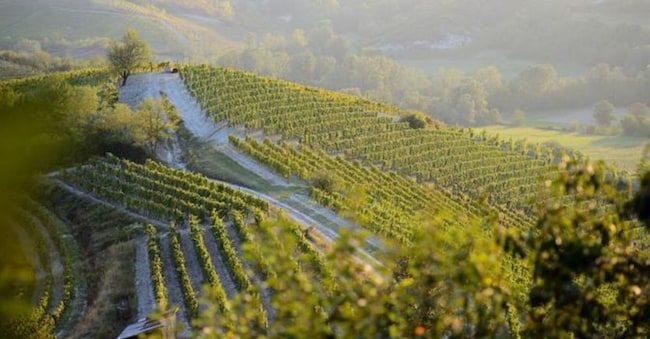
With some niche areas commanding exceptional prices, such as, for example, the Barolo DOCG region, where a hectare of vineyard can fetch as much as 2.3 million.
After those in Piedmont, we find the South Tyrolean DOC vineyards in the Lake Caldaro area, with values ranging from 600,000 euros per hectare to 1.1 million euros; in third place is the Bolgheri DOC (Livorno) with prices ranging from 300,000 to 1 million euros per hectare, whilst the DOCG vineyards in the hills of Montalcino (Siena) renowned for Brunello, which range from a minimum of 250,000 euros to a maximum of 1 million.

Apart from this, the most prized and valuable land is generally found in the lowland areas, with a few exceptions such as the Ligurian vegetable and flower farms (north-western coastal hills) and the orchards of Trentino-Alto Adige (north-eastern inland mountains).

In 2025, the effects of the 2023–27 CAP measures will begin to be felt, as these encourage farms to invest, particularly with a view to greater sustainability and higher production quality. Pressure from other potential land uses, such as sites for renewable energy installations, is also influencing the market in certain geographical areas.

A situation of broad equilibrium

The survey paints a picture of a largely balanced property market, with demand generally outstripping supply for land in sales. The number of transactions has remained stable compared with 2024 with farmers remaining firmly the most active buyers, followed by non-agricultural entrepreneurs and, some way behind, other private investors. Among sellers, on the other hand, the most common are those who have ceased farming or are about to do so, other private owners non-entrepreneurs, and finally those who have inherited the land but do not intend to farm it. A quarter of those surveyed report that sales take place without the involvement of an estate agent, but transactions concluded with the support of consultants and estate agents are also common.

In the immediate future, market operators do not foresee any substantial changes to the market landscape, but over 40 per cent of those surveyed indicate a significant increase in supply, often linked to the cessation of agricultural activities in the most marginal areas. In 2025, the number of sales of non-buildable agricultural land recorded by the Notarial Association stood at over 180,000, an increase of 3.6 per cent compared with the previous year, confirming the positive trend also observed in the CREA’s direct survey. Non-buildable agricultural land accounts for almost 13 per cent of all registered property transactions, second only to buildings (76 per cent). The other two categories relating to land, available in the Notaries’ statistics – namely, land suitable for building and land that is neither suitable for building nor agricultural – each account for less than 3 per cent; consequently, the number of transactions is considerably lower than that for agricultural land, but the trend compared with 2024 is equally positive.

Bank lending on the decline

The Bank of Italy’s statistics on loans to the agricultural sector with a maturity of over one year confirm a slight reduction (-2.1 per cent) in the stock of credit allocated to investment. In particular, for the purchase of rural property, which includes land, the change compared with 2024 was -3.7 per cent, the same decline seen for buildings. Only the volume of loans granted for the purchase of machinery and equipment remained stable, a sign – as the report notes – of a greater focus on investments aimed at the structural modernisation of farms rather than the expansion of land area, which can be achieved in a less restrictive manner through leasing. The contraction in outstanding balances was more pronounced in the Central regions (-6 per cent), whilst in the Islands there was a slight increase in the total (+0.9 per cent), resulting from an opposing trend between the -7.1 per cent for buildings and the +7.4 per cent for machinery.

Rents remain stable, but demand is becoming more selective

In 2025, too, the agricultural land rental market remained largely stable. Rents remained generally unchanged, with localised increases in the most productive areas and increasingly selective demand, focused primarily on land irrigated, consolidated, easily accessible and suitable for mechanisation. Land designated for specialised production continues to be particularly sought after, whilst marginal and less productive land faces greater difficulties in finding buyers, even when rents are low.

Demand is driven primarily by the more established farms, livestock farmers and contractors, who are keen to expand the areas they farm. Supply is fuelled by the closure of smaller farms where there is no next generation to take over, whilst the reduced profitability of certain crops and rising operating costs are making tenants more selective.

Loading...

At a regional level, in the North, demand remains strong, particularly in the irrigated plains, livestock-farming districts and areas with a higher degree of specialisation in production. Rents remain largely stable, with localised increases in the most competitive areas and signs of a slowdown in the less profitable sectors. The market remains active, but there is growing focus on land quality and the economic viability of leases. In central Italia, the situation remains stable, with more buoyant demand for irrigated arable land and specialised crops. The economic conditions of production and alignment with CAP support schemes are influencing negotiations, favouring, in some contexts, agreements of shorter duration. Finally, in the South, the market is generally less dynamic, with significant differences between the most productive agricultural districts and inland areas. Demand is concentrated on irrigated land and areas used for horticultural, fruit and vineyard production, whilst the availability of marginal land is increasing, accentuating the differences in rental rates. Looking ahead, market participants anticipate that current trends will largely continue: leasing will remain a key tool for the expansion and the reorganisation of agricultural holdings, with sustained demand for the most productive land and a possible increase in supply in marginal areas, where the cessation of activities could exacerbate the difficulties in finding buyers for the land.

Copyright reserved ©
Loading...

Brand connect

Loading...

Newsletter

Notizie e approfondimenti sugli avvenimenti politici, economici e finanziari.

Iscriviti