
Agritech, the next sowing will be done by artificial intelligence
This is what we saw at Agritechnica 2025, the Hanover trade fair that this year showcased far more technology than any previous edition.
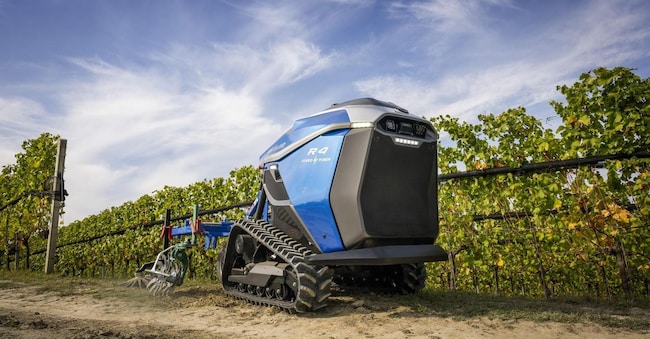
With a range of technologies ranging from artificial intelligence to autonomous robotics, not even the world of agriculture can escape the urge for technological innovation. Every metre of soil is studied, analysed, through digital twins, to decide when to sow, how, how much water to distribute, so as not to ruin the final result, saving costs and optimising resources. This and more was seen at Agritechnica 2025, the Hanover trade fair that this year showcased much more technology than any previous edition.
It was CNH, which controls the New Holland, Case IH, and Steyr brands, which decided to transform itself into an all-round agritech player.
The issue of soil health is the starting point for understanding the urgency of this technological transformation. Only three per cent of the earth's surface is suitable for agricultural production, while one third of the available soil is already compromised. For many farming families, land is a heritage passed down through generations, and its fertility determines not only its immediate productivity but also the quality of the food that reaches our tables.
In the field of harvesting, CNH has developed systems that have influenced global operations. For example, combine automation, which uses sensors and artificial intelligence to continuously optimise machine operating parameters. But also the automation of the corn header, which reduces crop losses and lowers fuel consumption. Particularly innovative is the Kernel Processing System, which applies AI to forage processing. Installed on wheat harvesting machines, this system adapts the processing of grain according to the type of animal feed intended, improving the nutritional value of meat and milk. This is a concrete example of how technology can intervene along the entire agri-food chain.
On the seeding front, the proposed solutions aim for millimetric precision. Planter Automation technology ensures that more than 95% of seeds are placed within 5 centimetres of the predetermined path, thereby optimising nutrient distribution and root development. Currently available with active implement guidance, this technology will be enhanced with passive guidance in 2026. Next-generation seed drills, expected by 2030, will integrate advanced guidance systems with remote management through the FieldOps digital platform, reducing labour requirements. In the area of plant protection treatments, the 'Sense and Act' approach represents a significant breakthrough. The Green-on-Brown technology, which is already operational, enables targeted weed detection and variable dose application of herbicides, with savings of up to 60 per cent. But the real revolution will come in 2027 with the launch in North America of Green-on-Green Spraying technology through the One Smart Spray system, which promises a reduction of up to 80% in herbicide use, combining environmental sustainability and cost savings.

