The figures for August

AI and high-tech drive Chinese exports: heading for a record surplus in 2026

The country’s economy continues to depend on strong external demand, which is set to drive it towards a trade surplus exceeding the record figure of 1.2 trillion dollars set in 2025

3' min read

Translated by AI
Versione italiana

3' min read

Translated by AI
Versione italiana

China is recapitalising its financial system to bolster weak domestic demand, but there is nothing to be done: the country’s economy still depends, as always, on strong external demand, which is capable of steering it towards a trade surplus exceeding the record $1.2 trillion set in 2025.

A disastrous combination that prevents China from shifting its growth model from import-export to domestic consumption, thereby absorbing overcapacity and mitigating the risks of dependence on foreign markets.

Loading...

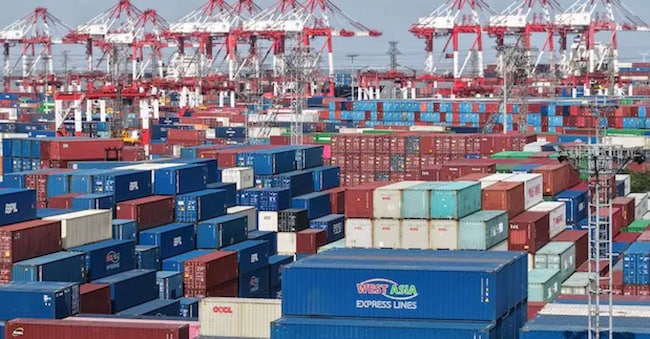
In August too, according to figures from the Chinese customs authorities, exports rose by 25 per cent compared with 2025 and imports by 28.2 per cent, widening the trade surplus to $119.1 billion and bringing the total for the first eight months to $806 billion. Half of the exports are driven by the artificial intelligence technology sector, combined with procurement driven by the variables of the negotiations on tariffs.

The trade surplus with the United States has risen to $29.18 billion from $28 billion in July, with Chinese exports to the United States up by 34.4 per cent year-on-year, outpacing the 17.8 per cent growth in imports.

The key events of the coming weeks

The summit at the end of the month in the US between Donald Trump and Xi Jinping is fast approaching, as is the one between China and the European Union in October, two key events for Beijing, and these figures risk reigniting the trade disputes that are intended to be defused, including the fragile truce signed with the US, which expires in November. The two governments are now exploring reciprocal cuts to tariffs on goods worth $30 billion. Chinese exports of rare earths rose month-on-month in August, but remained well below the monthly average since the start of the year. Imports of crude oil, by contrast, fell by 23.4 per cent year-on-year in terms of volume.

There is a widespread and deep-seated fear that China’s dominance of the global value chain in the manufacturing sector is hollowing out Western industries.

Another factor is the critical stance taken by US Treasury Secretary Scott Bessent towards China, which has declined to sign up to the G20 countries’ commitment to remove the distortions caused by trade surpluses.

Exports to South-East Asia show a slight slowdown

Turning back to the figures, exports to the ASEAN countries in South-East Asia have slowed slightly but have nevertheless risen by just over 30 per cent compared with the previous year. Exports to Latin America accelerated to 17.5 per cent, whilst those to Africa rose by over 31 per cent.

Bloomberg Economics estimates that high-tech shipments accounted for more than half of the overall growth in Chinese exports in August, as overseas sales of integrated circuits rose by nearly 130 per cent last month, with exports of high-tech products as a whole up by nearly 57 per cent. Vehicle exports have slowed, whilst uncertainty over tariffs continues to drive demand for US imports.

The driving force behind high-tech

In the first eight months, exports of high-tech products rose by 42.9 per cent in US dollar terms. The value of semiconductor exports more than doubled, even though volumes rose by only 4.1 per cent, whilst car exports increased by over 50 per cent (in both value and volume).

Loading...

Whilst trading volumes are on the rise, price-driven gains are drastically inflating the value of exports. With trillions of dollars being channelled into artificial intelligence, the shortage of semiconductors and other electronic components has caused the prices of some chips to soar by up to 700 per cent over the past year.

Weak domestic market

The export boom helped to mask disruptions to shipping caused by extreme weather conditions in August, when major ports in eastern China suspended operations as typhoons approached. However, regardless of weather conditions, industries reliant on the domestic market – grappling with producer price inflation and weak demand – continue (and will continue) to suffer.

Copyright reserved ©
Loading...

Brand connect

Loading...

Newsletter

Notizie e approfondimenti sugli avvenimenti politici, economici e finanziari.

Iscriviti