
At the Ariston Group site in Albacina, people remain at the centre
Pierluigi Astorino, chief operating officer of the group, speaks. Full operation expected by the end of 2026

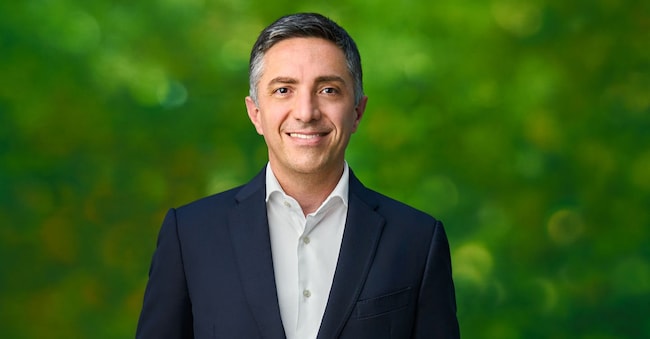
Un ecosistema digitale intelligente sarà implementato nel nuovo sito di Ariston Group ad Albacina, in provincia di Ancona; sviluppato in collaborazione con Accenture e tecnologia Nvidia, sarà operato secondo la metodologia del World Class Manufacturing, che mette al centro le persone. «Persone e macchine – racconta Pierluigi Astorino, chief operating officer – lavoreranno assieme» con vari benefici e «mantenendo la tecnologia al servizio dell’uomo». Con il raggiungimento della piena operatività, prevista per fine 2026, il nuovo sito si sostituirà a quello di Genga. L’investimento si inserisce in un piano pluriennale da 500 milioni di euro al 2028, avviato dal gruppo in Italia con l’obiettivo di rafforzare la Ricerca e Sviluppo nelle tecnologie. Nel corso dell'intervista all’ Osservatorio GenerAzione AI, Astorino approfondisce l’impatto dell’intelligenza artificiale sulla fabbrica, spiegando i risparmi in termini di costi e consumi e rimarcando la centralità delle competenz
How is AI changing the relationship between employees and technology, and what are the impacts on innovation processes?
Our ambition is to remain at the forefront of product and process innovation. That is why we are investing in industrial innovation and have launched a programme to digitise our operations. The new Albacina site, recently announced, will implement a state-of-the-art intelligent digital ecosystem, developed in collaboration with Accenture and based on Nvidia technology. People and machines will work together. There will be different benefits, ranging from the ability to guarantee higher quality standards to the digital twin's ability to support the operator in the most complex operations and guarantee the best ergonomic conditions. I would like to emphasise that technology will continue to be a tool at the service of man, improving the capabilities and performance of our people, keeping them at the centre.
In terms of sustainability, what impact do you estimate the use of Ai has on reducing costs and consumption?
It has a significant impact on efficiency, both in terms of production and energy consumption. For example, the real-time analysis of production data allows us to identify inefficiencies in machinery and processes in advance, optimising production cycles and reducing consumption. For example, in the Albacina factory where we are working, we have the objective of reducing energy consumption by 30%. Then there is the possibility of predicting breakdowns and drops in efficiency before they occur, avoiding unnecessary machine downtime and energy consumption or waste of materials due to defective products. It is not just a question of environmental responsibility. Continuing to innovate allows us to guarantee competitiveness and therefore the sustainability of our operations.

