
Air India crash: publication of investigation findings postponed
The deadliest air crash in the last 10 years claimed the lives of 260 people. Following domestic pressure to exonerate the captain, investigators are set to request a further three months
from our correspondent Marco Masciaga
 Aggiungi Il Sole 24 Ore
ai preferiti su Google
Key points
- Conversation in the cockpit
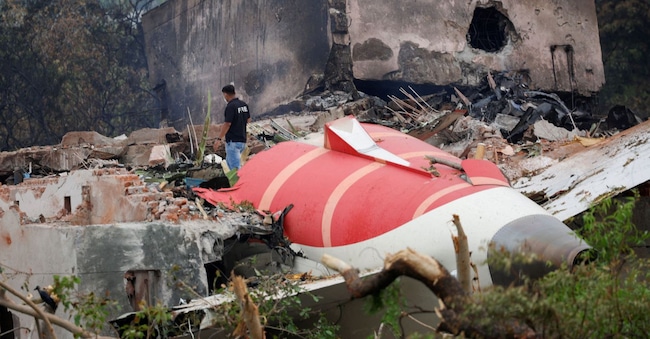
NEW DELHI - We will have to wait a little longer to find out the definitive truth about the causes of the Ahmedabad air disaster in India, which claimed the lives of 260 people a year ago. According to reports first published by Bloomberg News, the traditional deadline for the publication of a final report on the causes of the accident within one year will not be met.
Indian investigators – who have long been under pressure to identify a technical cause that could exonerate the captain of the flight from the strong suspicion that he deliberately crashed the plane – are expected to limit themselves to providing explanations for the delay, asking for more time, perhaps another three months.
A source familiar with the progress of the investigation has told Reuters that the extension will be officially announced to allow for the completion of the examination of the engines of the Boeing 787-8 DreamlinerDomestic pressures
The request to extend the investigation is likely to spark controversy, as it comes following a lengthy campaign by the Federation of Indian Pilots to try to clear the flight captain of suspicion that he deliberately cut the fuel supply to the two engines and caused the plane to crash. The captain’s father has asked the Indian Supreme Court to order an independent investigation that also considers causes other than deliberate action on the part of the pilot.
The Federation of Indian Pilots has urged investigators to seek further technical data on the aircraft from Boeing and Air India to enable them to ‘refute the theory that the pilot committed suicide’.


