Defence

Airbus is stepping up work on the new-generation European fighter jet: Berlin is also looking to the GCAP

The aerospace group is working with Germany and Spain on the development of the future European fighter aircraft. The issue of industrial and strategic coordination between the countries remains unresolved.

2' min read

Translated by AI
Versione italiana

2' min read

Translated by AI
Versione italiana

Airbus is reinforcing its commitment to developing a new-generation fighter jet for Europe and has confirmed that it is in talks with the German and Spanish governments. This was stated by the group’s CEO, Guillaume Faury, who outlined the company’s position during a conference call with the media.

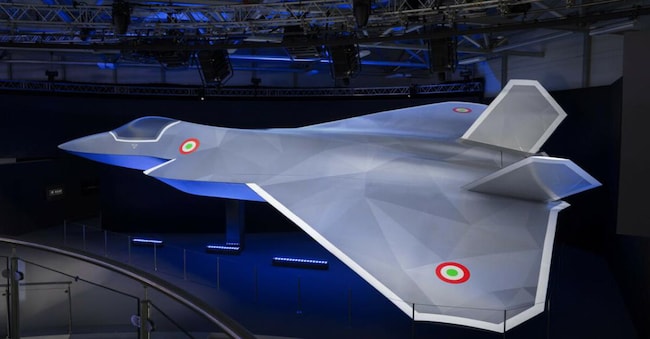
At the same time, Berlin is reportedly considering the involvement of other countries and possible new international partnerships. Among the options is the British GCAP (Global Combat Air Programme), the initiative launched by the United Kingdom, Italia and Japan to develop a new-generation air combat system.

Loading...

The issue of industrial alliances

Faury’s statements form part of a European context characterised by the pursuit of greater strategic autonomy in the defence sector and the need to coordinate investment, technological expertise and production capacity.

The project, in which Airbus, Germany and Spain are participating, forms part of the Future Combat Air System (FCAS), also known by its French name, Système de combat aérien du futur (SCAF). The initiative aims to develop an integrated system which, in addition to manned aircraft, includes drones, sensors, communication systems and related combat capabilities.

However, the programme is characterised by industrial and political differences, particularly regarding the roles of the partners and the division of tasks. Against this backdrop, Germany’s willingness to explore further partnerships could broaden the debate on possible models for European cooperation.

Possible dialogue with the GCAP

The reference to the British programme opens up a particularly interesting prospect for the European defence industry. The GCAP involves the United Kingdom, Italia and Japan, and aims to develop a combat aircraft system intended to enter service in the second half of the 2030s.

However, any convergence between European initiatives and the GCAP would raise complex issues: ranging from the integration of technologies and the governance of programmes to the distribution of workloads and the protection of intellectual property.

At present, the statements reported do not amount to an announcement of a merger between the two programmes, nor do they confirm a formal agreement with the GCAP consortium. Rather, they indicate that Germany is assessing potential partners, whilst Airbus continues to work with Berlin and Madrid on the European project.

The challenge facing European defence

This project concerns not only the development of a new military aircraft, but also Europe’s ability to retain technological expertise, sustain a competitive industrial base and reduce its dependence on external suppliers for the most advanced systems.

At the same time, the proliferation of national and multinational programmes risks fragmenting resources and investment. Greater cooperation could foster economies of scale and interoperability, but would require agreement on operational requirements, funding and industrial responsibilities.

Loading...

The next moves by Germany, Spain and the United Kingdom will therefore be crucial in determining whether the current situation will lead to new synergies or whether the various projects will continue along separate paths.

For Airbus, the stated priority remains working with the German and Spanish governments. The possibility of further partnerships, however, confirms that the architecture of future European air combat remains at the heart of an ongoing industrial and strategic debate.

Copyright reserved ©
Loading...

Brand connect

Loading...

Newsletter

Notizie e approfondimenti sugli avvenimenti politici, economici e finanziari.

Iscriviti