
Aircraft, tension remains after ceasefire
Walsh (Iata): 'It will take months before the supply of aviation fuel recovers'. Airline stocks celebrate on the stock exchange

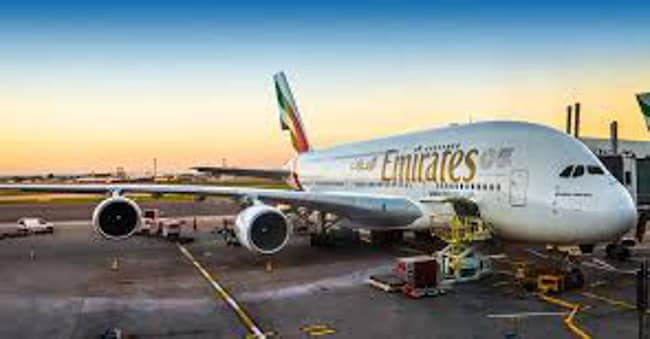
The reopening of the Strait of Hormuz as a consequence of the two-week-long ceasefire between the US and Iran, will not cool aviation fuel prices, despite crude oil plummeting 16% to below $100 a barrel after the announcement overnight. Willie Walsh, director general of the International Air Transport Association (IATA) for a few more months before moving to head the Indian company IndiGo, warned that it will take months before aviation fuel supplies recover, even after the reopening of Hormuz. due to refining disruptions in the Middle East.
Walsh told reporters at an event in Singapore that although he expects crude prices to fall, aviation fuel prices are likely to remain high due to the impact on refineries. 'Should they reopen and remain open, I think it will still take several months to get back to pre-crisis supply levels because of the disruption to refining capacity in the Middle East,' Walsh said, referring to the plants that were hit during the attacks. It will not be easy to return to normal, as analyst firm Kpler points out, according to which the reopening of the strait will bring a 'slight incremental increase, but tight supply' of jet fuel will persist.
Aircraft fuel prices normally move in step with oil prices, but since the beginning of the conflict they have more than doubled, exceeding the 50% increase in crude oil before the two-week ceasefire. Among the consequences of reduced supplies for the conflict are increased costs and consequently higher airfares, reduced flights, transport of extra fuel from the airports of origin and the addition of intermediate stopovers for refuelling. As in the case of American Delta Air Lines which expects to pay around $4.30 per gallon for jet fuel in the June quarter, adding over $2 billion to the price a year earlier. Fuel is the second largest expense item for airlines, after labour costs, and typically accounts for about 30% of operating expenses.
Nevertheless, airline stocks soared with double-digit gains, as in the case of Ryanair (+13.5%), Wizz Air (+10%), easyJet (+12%), Air France-KLM (14%) and Lufthansa (11%) outperforming the gains of European equity indices. US airlines also rallied from the start of trading.
No comparison with the pandemic that crippled global travel, according to the IATA director. "This situation is not similar to COVID when capacity was reduced by 95 per cent due to border closures," he said. More similar to other shocks such as the 2008-09 recessions or the aftermath of the 9/11 attacks, he added. "After 9/11, the recovery took about four months. In 2008-09, it took 10 to 12 months,' he said.


