
Airports without fuel, uncertainty over summer travel
The stoppage, albeit brief, of Brindisi airport is only the latest episode. Enac, however, plays down: normal consequences of Easter traffic

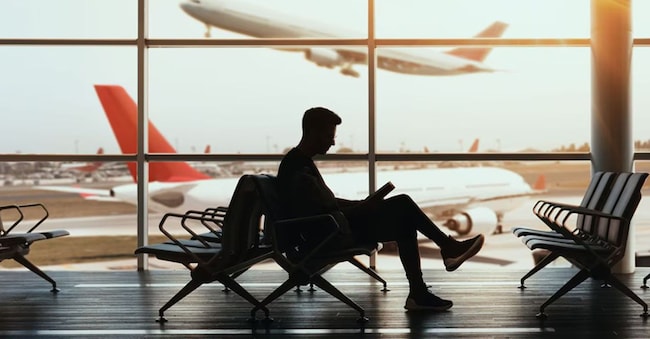
Increasing number of Italian airports where fuel is scarce. Uncertainty about the coming summer's travels increases. After the first alert on Saturday at four airports, a new Notam, the aeronautical bulletins, has arrived for the one at Brindisi: airlines will not be able to refuel there and will have to calculate the amount of fuel sufficient from the previous airport for the next flight legs.
Limited quantities', the document says, will only be allowed for state flights, rescue flights and hospital flights. But fuel stakes are also planned for Reggio Calabria and Pescara. In recent days the operator Air Bp Italia, part of the British fuel giant, had announced a quota distribution for flights at the airports of Milan Linate, Venice, Treviso and Bologna.
Enac: blame the heavy Easter traffic
For some, these are the first effects of the blockade of the Strait of Hormuz, although Enac had hastened to ensure that the restrictions were in fact the consequence of the heavier traffic that always occurs during the Easter holidays. It should be remembered that Europe imports around 30% of its aviation fuel and that some companies such as Ryanair and Lufthansa have already warned of the consequences should the conflict and the blockade of oil transported in the Persian Gulf extend into May or June. Problems have already been experienced in some airports in Asia, the continent to which most of the crude oil passing through Hormuz is destined.
A summer at risk
The uncertainties about the coming summer season are therefore many. In addition to the uncertainties of foreign destinations discouraged due to ongoing conflicts - Ukraine, Russia, the Middle East, Sudan, Congo, Haiti, Yemen - or the serious food and logistical crisis such as Cuba, there are also doubts about fuel availability and costs. According to Assoviaggi of Confesercenti, 'organised tourism is continuing to suffer a double penalty: fuel at very high levels and a strong dollar against the euro, factors that directly affect air transport costs and, consequently, the offer of travel packages'.
But the cost dilemma also weighs heavily on those who opt for do-it-yourself travel organisation. Once you have chosen a destination from among those not recommended by the Ministry of Foreign Affairs' "Viaggiare sicuri" pages, calculator in hand, you need to consider whether to take out insurance against the risk of flight cancellation for possible fuel shortages. It can cost up to 8% of the entire holiday, warns Codacons, and policies do not cover all risks, in addition to stipulating deductibles, caps and exclusions. The insurance, upon well-grounded cancellation of the trip, reimburses expenses incurred for the purchase of flights, accommodation facilities, travel agency or tour operator penalties, and tourist services already paid. While in the event of flight cancellation due to a decision of the airline, such as in the case of fuel shortages, Community legislation establishes that the passenger has the right to reimbursement of the ticket price or to rescheduling on another flight.

