
Alcolock, Salvini signs the decree: here is what changes
The device will be mandatory for repeat offenders, but there are those who doubt the cost and compatibility with very old cars.

2' min read
2' min read
Hard times for lovers of Bacchus already found behind the wheel with too much alcohol in their bodies: Matteo Salvini has in fact signed the decree that initiates the use of alcolocks, the devices that repeat offenders will have to use in the car. If the alcohol level is too high the car will not start. Some industry professionals, appraisers and body repairers in particular, had already expressed doubts about this measure contained in the new highway code. Starting with the price, which - they said - was around EUR 2,000 per car. But it is now decided.
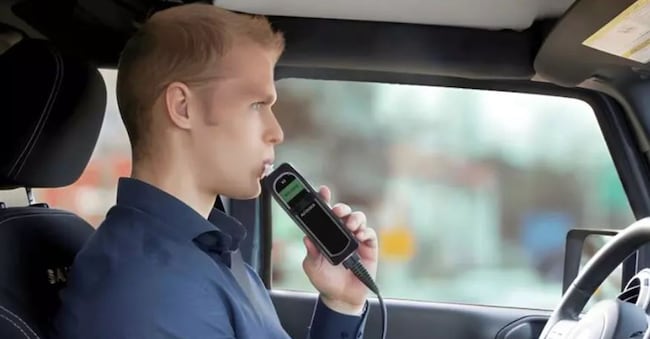
Salvini, the MIT announced, 'signed the decree defining the characteristics and methods of installation of the alcolock device. This text provides precise guidelines to authorised workshops for fitting and to users. It is one of the most significant innovations introduced by the new Highway Code, in force since 14 December. The alcolock is a system that prevents the vehicle from starting if the driver fails a breath test. The engine will only start if the alcohol level is zero. The new code,' explains the MIT, 'makes the installation of alcolocks compulsory for drivers already sanctioned for driving with a blood-alcohol level above 0.8 g/l, making it a key measure for repeat offenders, who will only be able to drive vehicles on which such a device is installed'.
The decree stipulates that alcolocks can be installed on different categories of vehicles used for the transport of both persons and goods and will have to meet the standards of European legislation. "Specific obligations are laid down for manufacturers, who will have to provide detailed instructions for installation, use and maintenance," the note reads. "Authorised installers will play a crucial role, having to apply a special seal to prevent any attempt at tampering. In case of roadside checks, the driver will have to show the original installation declaration and the valid calibration certificate of the device. The installation of the alcolock will not require an update of the single vehicle registration document. The MIT will publish on the Motorist Portal the list of authorised installers and vehicle models compatible with each type of alcolock.
Among the doubts already expressed at the launch of the code, Aiped, the Italian Association of Loss Adjusters, claimed, among other things, that the Ministry of Transport's decree on alcolocks 'contains a number of critical points capable of giving rise to legal disputes and appeals by motorists'. For example, 'the installation and dismantling of the alcolock device is not among the technical operations subject to inspection and testing by the civil motor vehicle registration offices'. Federcarrozzieri is also critical: 'The Italian car fleet, in fact, is, as is well known, very old, with almost 22% of cars in circulation being over 19 years old. There is therefore a real risk that on many particularly elderly cars it is technically impossible to install alcolocks'.

