
Aler Milano: profits mask the crisis – net assets at -619 million and payments to suppliers suspended
According to the Board of Auditors, only support from public bodies can ensure the subsidiary’s operational continuity

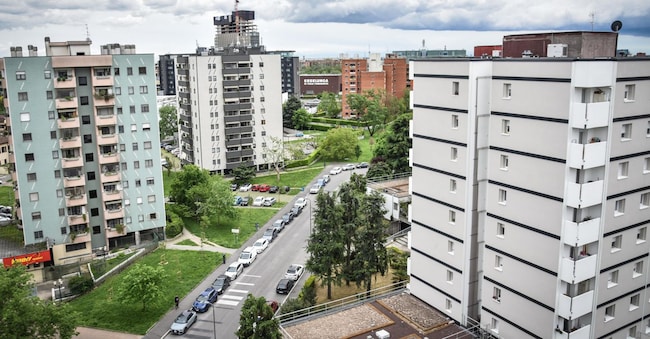
An operating profit of 1,769,064 euros. This is the only figure in the black in the 2025 final accounts of Aler Milano, the Lombardy Region’s public housing company which manages the social housing stock in the Lombardy capital and its province, totalling around 70,000 homes.
In addition to this figure — which, incidentally, is roughly half the 3.55 million recorded in 2024 — the Board of Auditors’ Report on the financial statements, approved on 29 May, paints a picture of an organisation in clear financial distress, with a negative equity of approximately 619 million euros, which has deteriorated further.
The factor that the Board describes as ‘the most immediate and pressing concern’ is exposure to trade creditors. Towards the end of the year, the worsening liquidity crisis led to a freeze on payments to suppliers, resulting in threats to suspend services and the service of a number of court orders. These circumstances are described by the statutory auditors as ‘extremely serious’, indicative of a difficulty that is ‘no longer merely potential but concrete and current’.
The figures confirm this interpretation. Payables to suppliers rose from 103 million in 2024 to almost 113 million in 2025, an increase of 9.7 million, to which must be added a further 23.3 million in debts to block management bodies and self-managed services. But the most telling figure is another: interest on arrears rose from 28,000 to over 605,000 euros, an increase of more than twentyfold which, by the Board’s own admission, ‘indicates a situation of de facto insolvency towards a significant proportion of its suppliers’.
At the end of the financial year, the company had reached its maximum cash credit limit. Operating cash flow for the treasury account alone was negative by approximately 1.9 million, with a closing balance of −27.6 million; across all company accounts, the overall cash flow was negative by 4.6 million. Management itself admits that cash outflows are ‘heavily influenced by the ceiling imposed by the cash credit facility and do not reflect the company’s actual needs’ — a statement which the Board interprets as confirmation that actual payments are lower than they should be, and that the actual debt exposure to suppliers is therefore underestimated.


