
Olympics: Alice's gold, star of our gymnastics
The last time it was visible from Earth was 1986

2' min read
2' min read
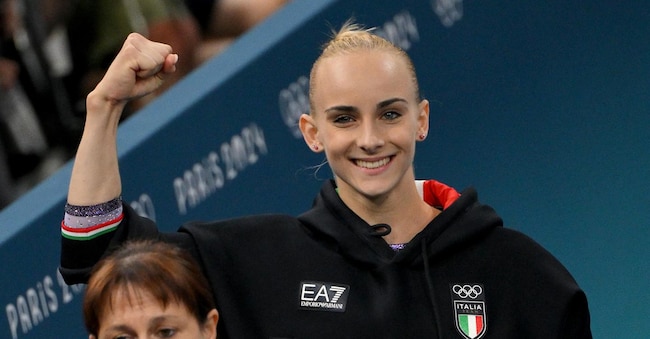
The last time it was visible from Earth was 1986. Experts assure us that it will return to ply the skies of our Planet in 2061. Well, to those of us who saw it then, in that year sandwiched between the Cold War and the seeds of a rising (and now waning) New World Order, that Halley's comet remained etched in our hearts and eyes. Well, fate and the love of sport have made us see it again, that comet, here in Paris and well ahead of schedule. It took on the features, that comet, of a 21-year-old from Genoa who transformed the most difficult exercise and apparatus in artistic gymnastics, the beam, into the Cartesian axis of her golden trajectory.
Splendid comet, Alice D'Amato, because never in 155 years of its history had our gymnastics known an individual women's gold. A gold also facilitated by the stars (see the unexpected fall of Simone Biles and other rivals), and which she looks to the heavens for compassion (in the dedication to her deceased father) and spirit of revenge (for the injury that deprived her sister Asia of the Olympic dream). Clear trajectories, arcane and at the same time inscrutable to us humans, drew Alice (and with her Manila Esposito, an equally historic bronze medallist) on the apparatus that is a perfect exemplification of the extreme and always dynamic limit between possible and impossible, finitude and will.
In the Olympic Games of the first times - particularly in artistic gymnastics, with the first success in history of an African athlete, the Algerian Nemour on the asymmetrical parallel bars - we are enchanted then to see the celestial trajectory that Alice has drawn in the celestial sphere of our sport, certain to find her on the top step of a podium well before the next passage of Halley's comet.


