
Scorpion fish and other threats: alien species in our seas
The initiative follows the path started already in 2022 and aims to inform citizens about the presence of invasive species in our seas

3' min read
Key points
3' min read
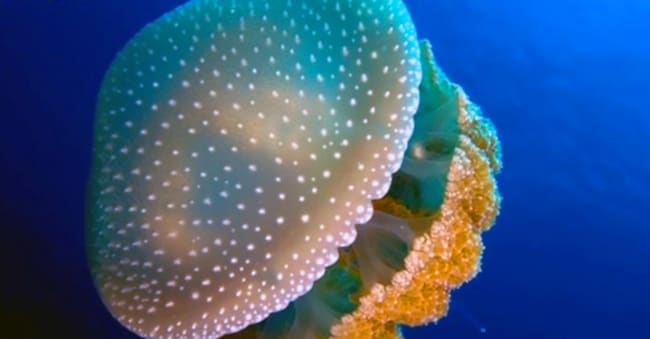
From jellyfish to scorpion fish, through puffer fish, tropical algae and on to other fish. These are the alien species that populate the Italian seas. Favouring the presence of specimens from other seas are the so-called 'natural corridors', such as the Strait of Gibraltar, and artificial ones such as the Suez Canal.
The Field Study
.Providing a constantly updated map of alien presences in the seas, with indications of those that are stinging, dangerous or possibly poisonous, is Ispra, which, together with the Institute for Biological Resources and Marine Biotechnology of the National Research Council in Ancona (CNR-IRBIM), this year launched the 'Attenti a quei 4!' campaign. An initiative that follows the path started in 2022 and aims to inform citizens about the presence of invasive species in our seas. The two research institutes also provide useful information on how to recognise them and prevent unpleasant incidents, as well as "helping to monitor their spread and inviting people to document the species with photos or videos".
Increasing reports and catches
."The increase in catches and reports from fishermen and divers, on the one hand, confirms the important role they play in supporting researchers in monitoring the spread of alien species,' comments Manuela Falautano, Ispra researcher and coordinator of the 'Attenti a quei 4!' campaign for the agency, 'and on the other, it highlights the need to broaden the involvement of sea operators and to promote clear communication to the public on potentially dangerous species for human health, without creating alarmism.
The Scorpion Fish
.The mapping of the presence of the scorpion fish (Pterois miles) in the Mediterranean, updated to March 2025, indicates 1,840 reports from the different countries of the basin. "The species is also spreading in Italian seas and," the research points out, "the Ionian Sea is confirmed as one of the most vulnerable areas". The list is, however, constantly being updated as anyone who comes across the species can send their photographic or film contribution to Ispra or the CNR.
Most sightings in the Ionian
."Most of the new sightings are concentrated in the Ionian Sea, one of the areas that, according to climate projections, presents the highest risk of increased vulnerability to invasion by this tropical species, along with the southernmost regions of the Adriatic Sea," says Ernesto Azzurro, a CNR-IRBIM researcher who coordinated the scorpion fish study. The results of the study offer significant indications on the ongoing process of expansion of Pterois miles, confirming the reliability of the models and underlining the urgency of implementing effective monitoring and management strategies". In addition to the scorpion fish (it is edible but the spines can cause very painful stings even 48 hours after the animal's death), the campaign concerns the spotted puffer fish (the species possesses a powerful neurotoxin that makes it highly toxic when eaten, even after cooking. In addition, it has powerful teeth with which it can inflict painful bites), the Dark Rabbitfish and Striped Rabbitfish (herbivorous species that are edible but have spines that can cause painful bites even after the animal's death).

