
Alien species in the Mediterranean, from jellyfish to stonefish

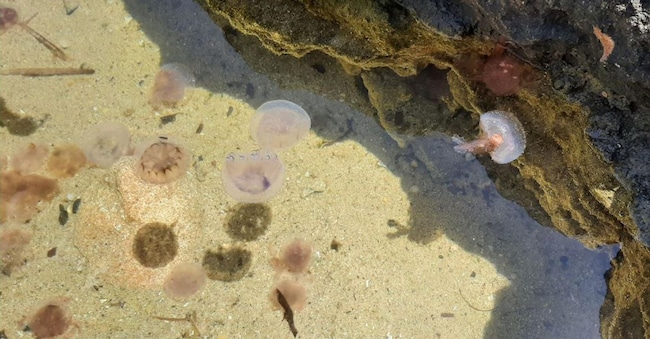
On the one hand, this is due to maritime transport; on the other, it is the result of climate change, which is causing temperatures to rise even at sea. What is certain is that the presence of alien species in the Mediterranean is on the rise. Specimens of fish and vegetation, as researchers at ISPRA point out, ‘introduced by human activities such as maritime traffic, aquaculture and the aquarium hobby, or via artificial waterways such as the Suez Canal, and by species expanding their range, which arrive via natural corridors such as the Strait of Gibraltar’’. For this reason, the Higher Institute for Environmental Protection is running an awareness and information campaign, as it is not uncommon to come across non-native species at the seaside during the summer.
Climate Change
“Climate change and environmental changes are facilitating the establishment of these new species,” ISPRa points out, “some of which may become invasive and cause serious damage to the environment, the economy and human health.”
The leaflet
For this reason, a leaflet has also been produced listing alien species and those that pose a health risk ‘as they are toxic if consumed, cause stinging or are poisonous on contact’.
Species
Among the alien species, the booklet compiled by ISPRA lists 32 specimens, including fish and plants; these include the pufferfish, the scorpionfish, the halfbeak (Hemiramphus far mezzobecco), and the tropical fish known as the ‘Flauto’ and ‘Red Flauto’. Not to mention Ynanceia verrucosa, the stonefish.
An Indo-Pacific species, known for being one of the most venomous and fearsome creatures in the sea, characterised by a high degree of camouflage that makes it difficult to spot amongst the rocks and rough terrain of the seabed; it can grow up to 40 centimetres in length.

