Along the craft streets amidst the tranquil beauty of Kyoto
Stroll amongst textile workshops, historic studios specialising in lacquerware and sacred candles, and museums dedicated to the arts in the city that symbolises the country’s artisan tradition

Key points
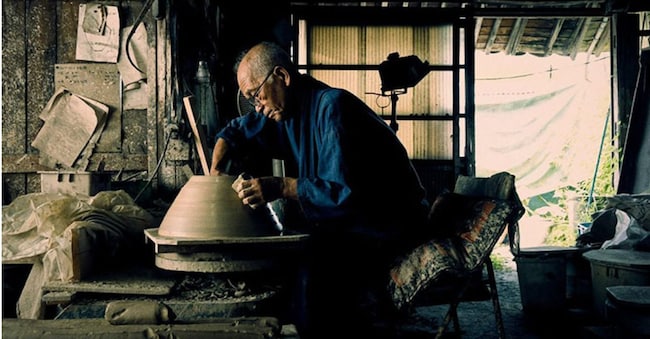
The hills encircle them both, as if to protect them. Last year, Kyoto and Florence celebrated the 65th anniversary of their twinning, one of the first in Italian history and marked by a common feature: both are places that preserve and pass on the most precious craftsmanship, the kind that conceals within an object not only aesthetic beauty, but also the genius loci, the spirit, history and culture of its region, and even the genius personae, the desires and feelings of those who created it.
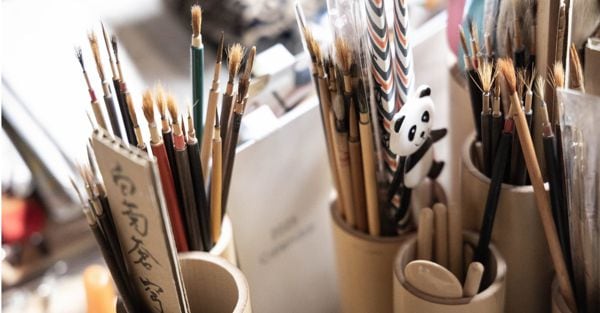
People certainly visit Kyoto (which last year saw a record-breaking number of visitors, with almost 63 million) for the temples and shrines that gracefully dot the city, the walks along the Kawa River or the famous Philosopher’s Path, but anyone who loves fine craftsmanship will certainly have put it at the top of their list of unmissable destinations.
The ancient capital
Regarded as a “small city” with its 1.46 million inhabitants, some 450 kilometres from Tokyo – a journey that takes just two and a half hours on the “bullet train” Shinkansen – the city that served as the capital of the Japanese Empire for over a thousand years, until 1868, has a slow, courteous pace that invites contemplative exploration. It is certainly not frozen in time, but even in its most contemporary aspects, it retains an underlying sense of deep respect for the past.
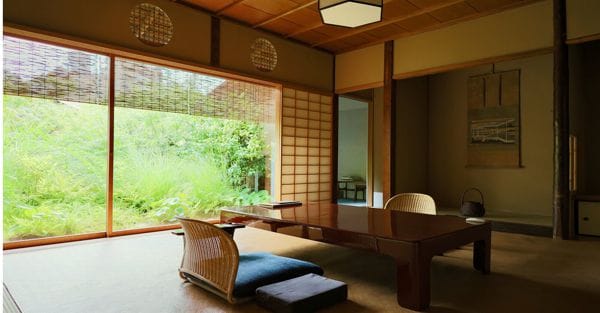
Many of its machiya, the traditional wooden houses dating back centuries, have been given a contemporary makeover, such as the 132-year-old building that has become Issey Miyake’s new flagship store, designed by Naoto Fukasawa in the elegant Tsuchiyacho district. This vision also inspires new hospitality projects, such as The Imperial Hotel, a historic Tokyo institution (the 1923 design was by Frank Lloyd Wright) which also opened in Kyoto last March in the building that once housed the historic Yasaka Kaikan theatre, where geishas once took centre stage: one of the original façades has been preserved and its sign is made of zelkova wood, dating back a thousand years.