Along the footpaths of Formentera and Ibiza in search of their rural spirit
Even in autumn, the Pitiuse archipelago is the perfect place to explore, with its natural beauty, remote lighthouses and ancient traditions

-U25543045081pTX-1440x752@IlSole24Ore-Web.jpg?r=650x341)
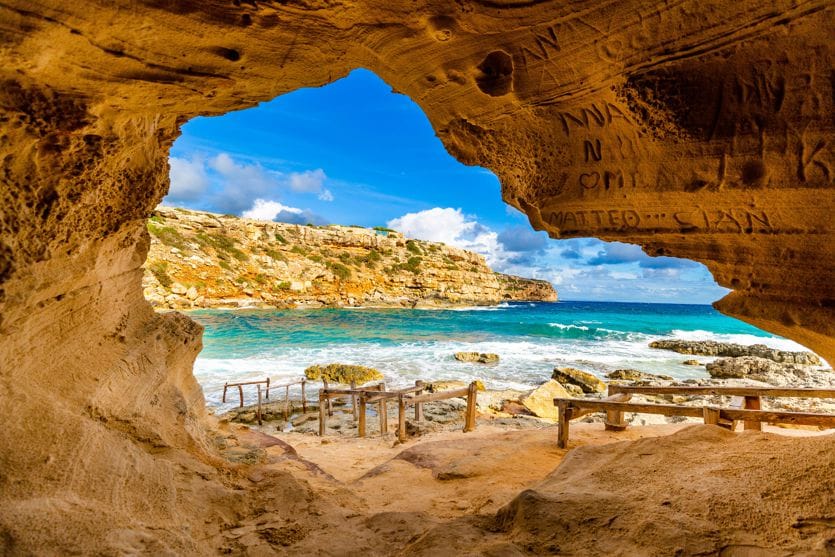
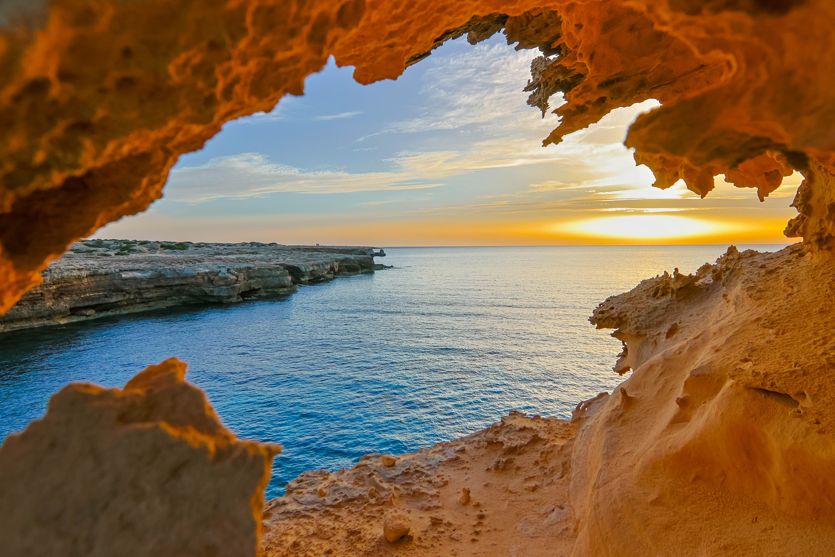
The landscape is desert-like. There is a narrow road, a lighthouse in the distance, and behind it the deep blue sea providing the backdrop. This is the scene captured by Julio Medem in the film *Lucía y el sexo*, the famous Spanish film that has drawn thousands of travellers to Formentera, the smallest of the Balearic Islands (20 km long with 69 km of beaches and cliffs), a burst of natural beauty both on land and at sea. The lighthouse at the centre of the scene is that of Cap de Barbaria: upon arrival, the imagination and a sense of freedom go hand in hand, with the tiny islet of Es Vedrà on the horizon, bathed in a crimson sunset. To reach it, you set off along one of the island’s 30 circular routes which, following the old country lanes, allow you to cross the island on foot or by bike, taking in the most beautiful spots. Dry stone walls, peaceful country estates dotted with large fig trees and goats roaming freely, and above all, the intense scents of rosemary, thyme and other wild plants. Not to be overlooked at this time of year is the aroma of grape must: one of the agricultural activities with the richest tradition is, in fact, wine-growing. The main grape varieties have ancestors dating back to the 13th century, such as those cultivated at the Cap de Barbaria winery. The views are breathtaking, and reaching your destination is the highlight of an unmissable pilgrimage. The route also takes you past the ancient Torre des Garrovert, one of the island’s five watchtowers, from where pirates were once kept under surveillance. Much of the island’s traditions, monuments and cuisine stem from that past, such as the ‘Ensalada Payesa’, made with boiled potatoes, tomatoes, peppers, onion, rusks and dried fish.
.jpg)
Walking at a leisurely pace
Until mid-October, you can walk or cycle freely here, and this isn’t the only route where cars are banned. Formentera ( isn’t just about stunning crystal-clear waters and unspoilt beaches; it’s a place where, right at the end of summer and throughout autumn, you can slowly immerse yourself in its history, get to know its communities and experience its ancient agricultural spirit. Over the years, courageous decisions have also been made: from the preservation of marine environments and its Posidonia seagrass to the ban on coastal construction, restrictions on beach concessions, and strict controls (accompanied by a ban on the use of concrete or mortar) to preserve the dry-stone walls, another defining feature of the landscape. The ones you come across along the Camí d’en Parra, for example, are truly beautiful. Another icon of Formentera’s more traditional side is its windmills with their enormous wooden sails, which also form a stop on the route. Originally there were seven, but today there are only six: two windmills in Sant Francesc Xavier (the Molí den Mateu, dating from 1773, and the Molí d’en Gerona, dating from 1760), one in Sant Ferran (the Molí den Tauet, built in 1760) and two in La Mola (both from 1893: the Molí d’en Simon and the Molí d’en Botiga, of which only the tower remains). Of the sixth mill at Es Cap de Barbaria, only the foundations remain.
.jpg)
Towards La Mola
The route leading to the La Mola lighthouse, with its fascinating museum, is not to be missed. Legend has it that Jules Verne wrote *The Adventures of Ettore Servadac* whilst drawing inspiration from Formentera and this lighthouse, so much so that there is a monolith dedicated to the writer near it. One of the most evocative prophecies told on the island states that when the Apocalypse comes, the only place in the world to survive will be the La Mola lighthouse itself. Leafing through the pages of local history, one discovers that the La Mola lighthouse has stood there since 1861. Until 2001, it was lit manually.
And there were around 90 lighthouse keepers who, at various times – right up until 2001 – came to live there. In just over half an hour, you can easily reach the village of La Mola, the small settlement that became a favourite destination for hippies in the 1970s. A remnant of that era is the open-air market (held every Wednesday and Sunday), where you can discover items created by local artisans, such as the jewellery by Amaicha Joyas, inspired by the underwater world of the Balearic Islands. There’s also art to be found in Sant Francesc, the island’s main town, where – following a visit to the Mercat Payés and a stroll through the characteristic alleyways of the pedestrianised area – until 27 September, Ibiza & Formentera Preservation has organised a group exhibition featuring 14 local artists as part of the “Qué Celeste” festival, running until 27 September. The exhibition showcases how marine litter is transformed into striking art through creative reuse.
.jpg)
Among the dunes of Playa Migjiorn
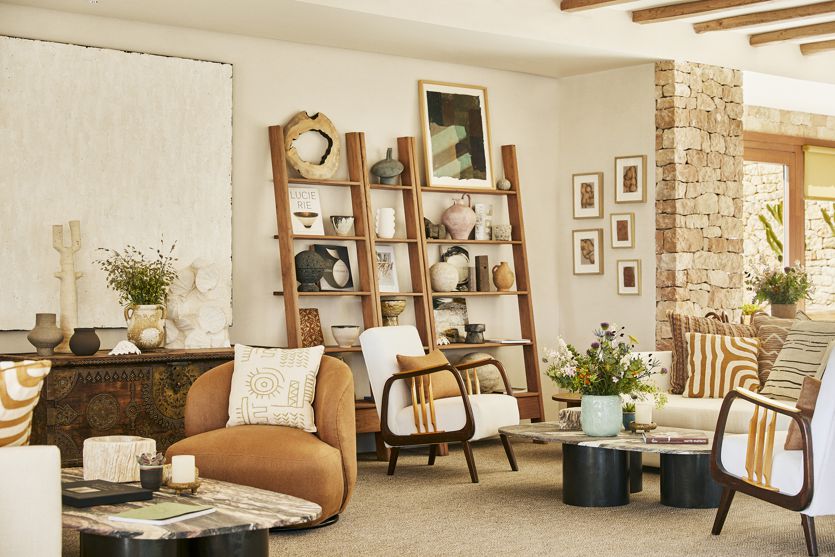
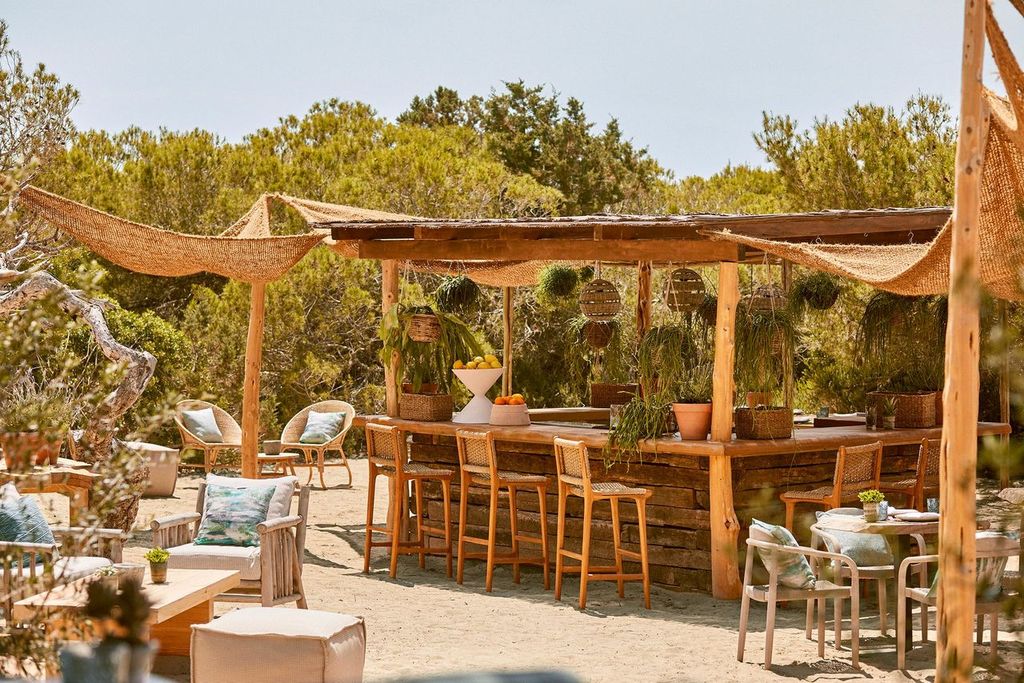
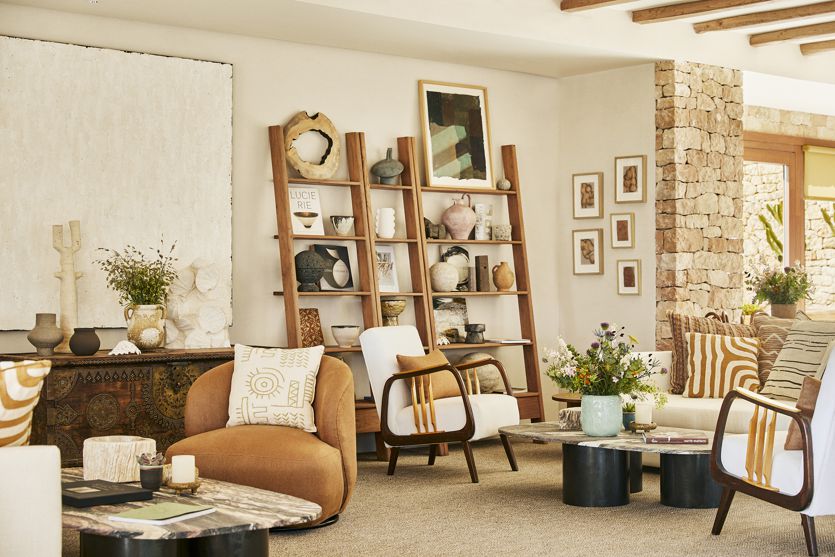
The Teranka experience is no less impressive , a hotel just a few metres from Playa Migjiorn, nestled in a lush pine forest, where contemporary art blends with nature and the island’s rural heritage, such as the beautiful dry stone walls and wooden fences. Here, the island’s identity is revealed through the building itself, the culinary offerings, the exhibitions and the experiences – such as those in contact with nature and local craftsmanship – including yoga sessions and open-air watercolour classes in the gardens. One of the highlights of this secret retreat is, in fact, an evolving art collection featuring works that interact directly with the surrounding landscape, comprising centuries-old pine forests, sand dunes and aromatic herb gardens.