
Aluminium, increasing scrap flows to non-EU countries: +10% in 2024
Predictable this year record quantities.

2' min read
2' min read
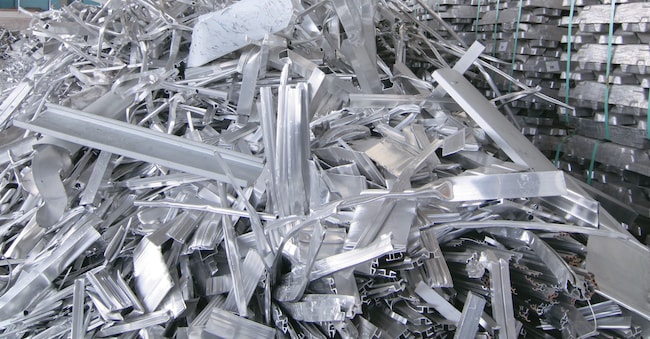
Aluminium, increasing scrap flows to non-EU countries. According to European-wide projections made by the industry association European Aluminium based on Eurostat data, we are heading for a growth of 10-11% in 2024 on an annual basis. A record absolute quantity is therefore to be expected. After 1.4 million tonnes of aluminium scrap had crossed the European borders in 2023, 13% more than the previous year. The trend, in which Italy is also included, is therefore confirmed. In general, the increase is from 2020 onwards, in particular to Asia.
"The aluminium recycling industry has developed historically without the need for incentives, because scrap has always had an economic value, also because it requires one twentieth of the energy needed to produce it from bauxite. It is an activity that has grown mainly in Italy and Germany, with Europe being the traditional source of scrap from all over the world. We have always been net importers, but for a few years now the trend has changed,' says Orazio Zoccolan, director general of Assomet, the national association of non-ferrous metals industries: 'Countries like China, India, Pakistan buy our scrap because they can offer higher prices than in Europe, because they do not have our environmental and social costs. The result is a supply and competitiveness problem. The same situation exists for copper and also for ferrous metals'.
Added to this is the slowdown in sectors that have traditionally been an outlet for recycled aluminium in Italy, such as automotive and construction, while the packaging sector is holding up. If, in the green transition scenario, aluminium consumption is expected to grow, the need for reconversion is urgent. But not without difficulty: Sacal, an aluminium processing company in Carisio (Vercelli), declared a state of crisis last August.
In our country the aluminium supply chain includes more than 500 companies, about 16,000 employees and a turnover of 14 billion according to data for 2023. An initial request by Assomet, to include aluminium and other non-ferrous metal scrap in the national monitoring system on the export of critical raw materials started in the aftermath of the outbreak of war in Ukraine, was granted this summer. There remains the knot of certification in non-EU countries of the same European environmental standards - and therefore the same burdens on companies - and the operation of the Cbam (Carbon Border Adjustment Mechanism), which taxes the import of high-emission materials into the EU, but not the finished products that contain those very materials, penalising recycling activities.


