
Amelia Rosselli: the artist as well as the poet
At the Palazzo delle Esposizioni in Rome, the exhibition entitled ‘Improvvisi’ features thirty-seven works, including pencil drawings, tempera paintings and works on paper
by Giuseppe Fantasia
 Aggiungi Il Sole 24 Ore
ai preferiti su Google
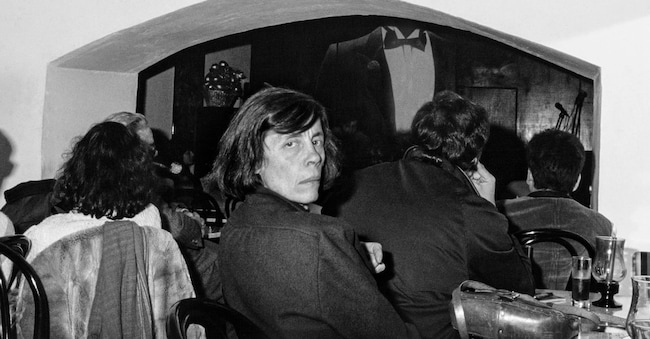
For Amelia Rosselli (28 March 1930–11 February 1996), language was not a tool to be wielded with elegance, nor a repertoire of forms to which one might entrust the expression of sensitivity, but something unstable, to be questioned and continually put to the test, even contradicted. In her poetry, words seem to have lost the reassuring habit of signifying just one thing, for they collide, distort and arch with sounds, deviations, figures and different languages, as if Italian, on its own, were not sufficient to contain the pressure of thought. Rosselli wrote within a discontinuity that was also his method, a restless grammar from which, from time to time, a beauty as precise as it was unpredictable would emerge.
The illustrator
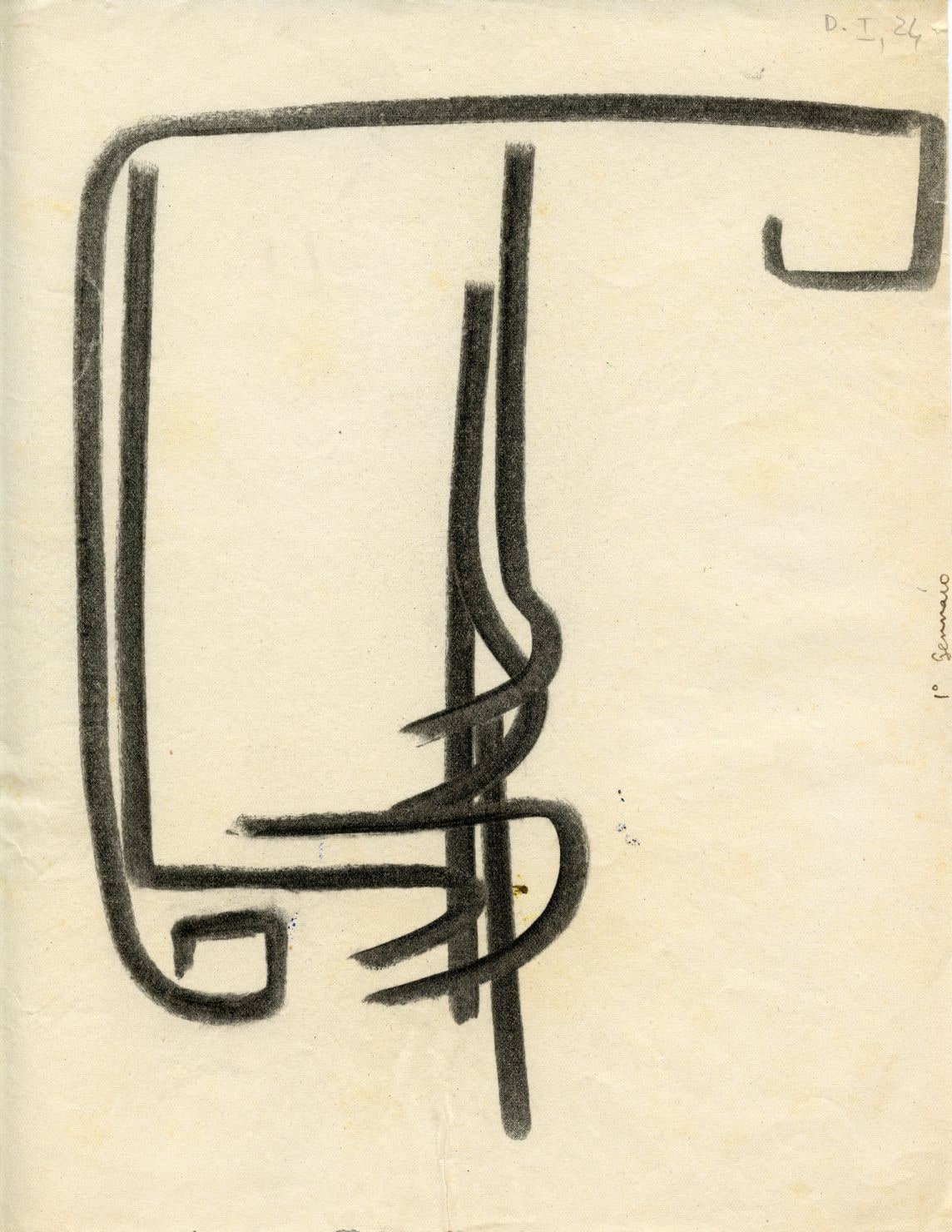
His voice, instantly recognisable and impossible to imitate, has often been interpreted through the prism of his biography, her family history and psychological suffering, but to reduce it to a matter of fate would be to overlook the most crucial aspect of her formal intelligence, her ceaseless work on structures, and the lucidity with which she transformed a personal experience into a literary issue. Rosselli called upon poetry to produce knowledge even where it became precarious, to keep language open at the very point where it seemed on the verge of breaking. It is from this premise that *Improvvisi*, the exhibition at the Palazzo Esposizioni in Rome, curated by Andrea Cortellessa in collaboration with Nicoletta Trotta, takes its starting point, revealing a lesser-known side of Rosselli: the draughtswoman.
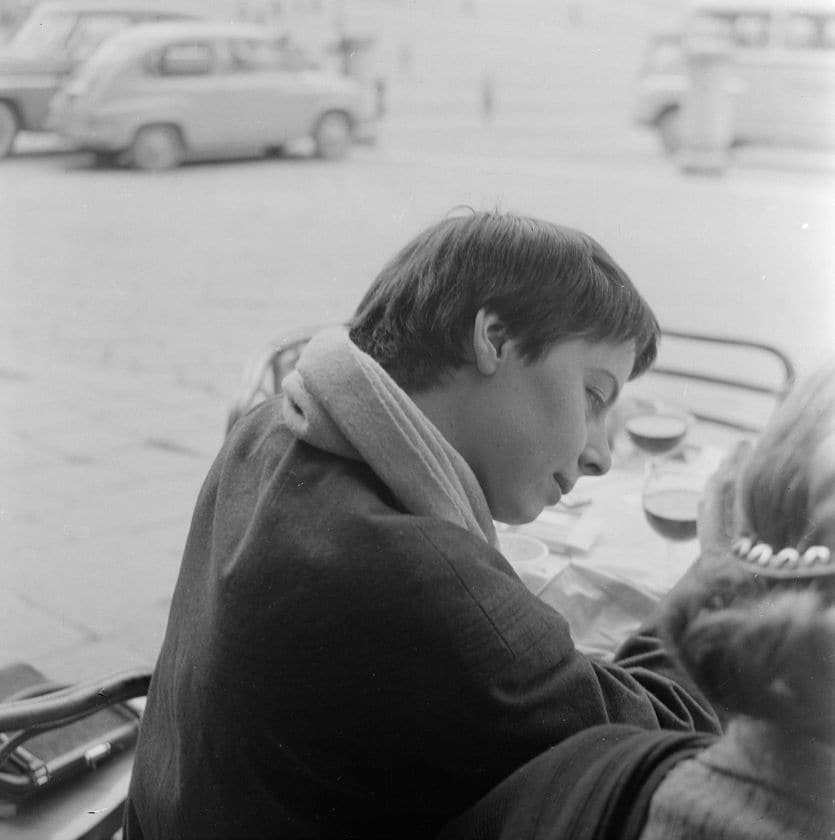
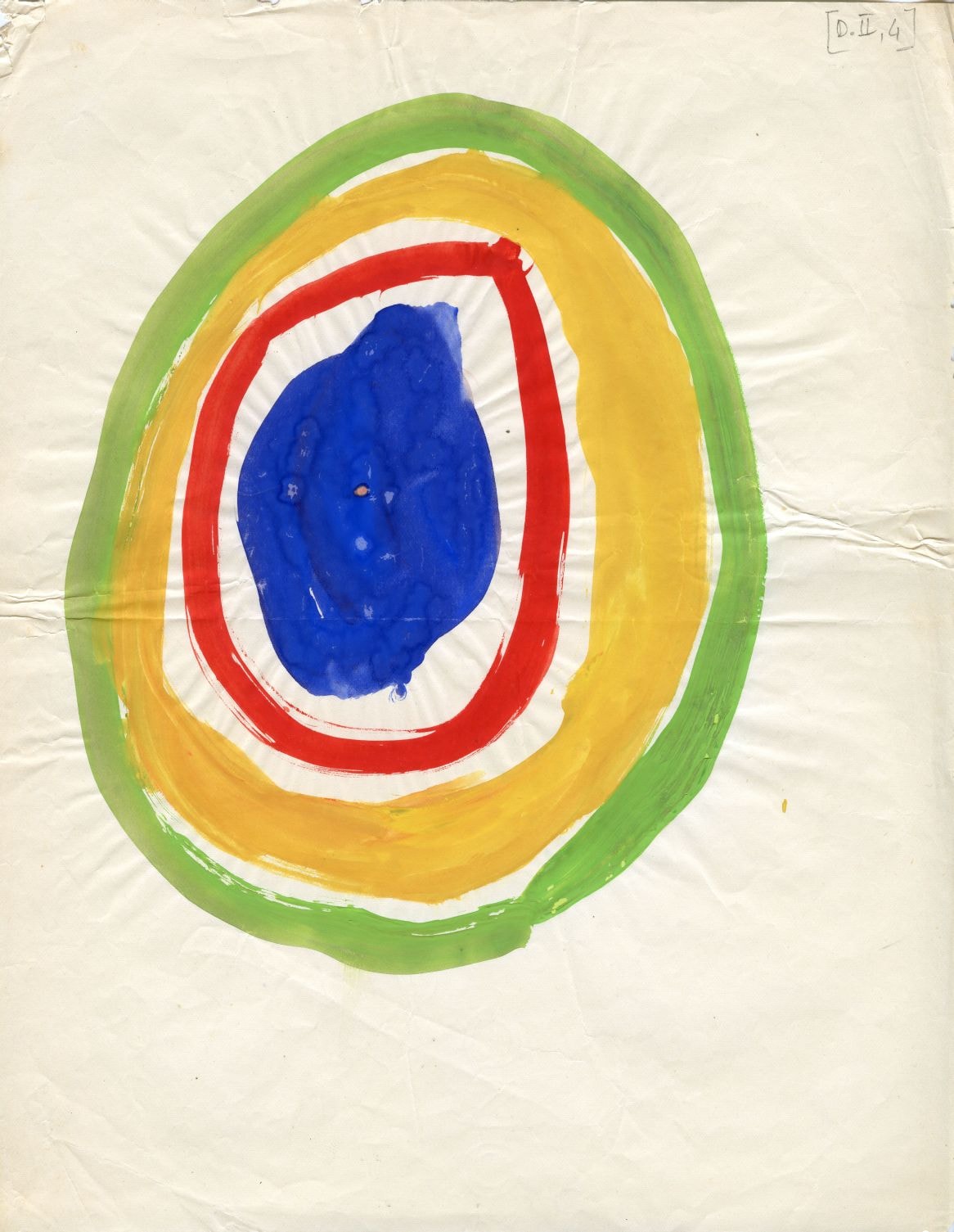
Thirty-seven works, created in 1952 and from the Manuscript Centre of the University of Pavia, bring to the fore a period in which pencils, tempera and paper became a further field of experimentation with forms, figures, apparitions, chromatic clusters and marks arranged on sheets of paper – an activity that Rosselli herself regarded as a form of relaxation, a break from intellectual work. The break, however, was only apparent, for in those drawings one senses the same need to seek order, to allow a structure to emerge and to draw closer to something that has not yet been named. Cortellessa, who also authored the catalogue, relates these works to the psychoanalytic sessions the poet undertook with Ernst Bernhard, thereby restoring to the mark its function as an exercise, an act of listening and an inquiry. The daughter of Carlo Rosselli and Marion Cave, born in Paris, Rosselli spent her childhood between France, England and the United States. The murder of her father and her uncle Nello in 1937 at the hands of the Cagoule left a deep mark on her family’s history, whilst her intellectual journey unfolded through an education that was anything but ordinary. Returning to Italia in 1946, she devoted herself to music, composition, the study of sound structures and translation.
Poetry
Poetry may not be a disciplinary destination, but rather the place where these skills converge without necessarily reconciling, fuelling a form of writing that always seems to have something to undo and start afresh. In 1964, he published *Variazioni belliche*, a book that marked a turning point in Italian poetry. Autobiographical material, pain, the body, the unconscious and history enter the work without conforming to the narrative form. This was followed by *Serie ospedaliera* (1969), *Documento* (1976), *Impromptu* (1981), right up to *Sleep* (1990), works in English that confirmed how linguistic plurality is not a cosmopolitan affectation, but a profound condition of her artistic quest. For her, translating and writing became intertwined processes, experiments in impossible fidelity, attempts to listen to what a language leaves out when it claims to be precise.
The title of the exhibition, *Improvvisi*, has a double resonance, as it evokes music – the short forms of Schubert and Chopin, composers beloved by the poet – and, at the same time, the fleeting nature of an apparition, something that manifests itself without warning and which the hand must manage to capture. Drawing is not an appendage to poetry, nor a marginal chapter in an artistic biography, but another avenue of thought, a form of writing without words that retains the same sense of restlessness.

