
US fast food: reduction of extra-large portions amid rising costs and new eating habits
American fast food chains are adapting portions to respond to inflation and the increasing use of appetite-reducing drugs

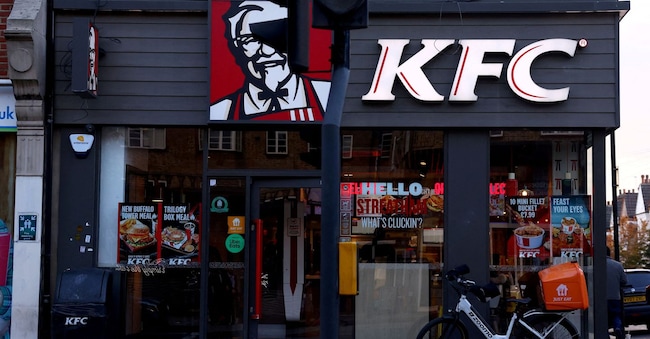
American fast food outlets are moving towards reducing supersize portions, partly because of health concerns and partly because of the rising cost of raw materials. This was revealed in an analysis by the Financial Times, according to which the so-called 'supersize' portions are decreasing, as rising costs and the increasing use of slimming drugs push restaurateurs to offer less food. Restaurants, among other things, are trying to attract consumers with low-cost options.
There are several examples in this direction, starting with the fried chicken KFC brand that is reportedly "adjusting portion sizes and customising the crispiness" in its 4,000 US outlets, according to Chris Turner, CEO of Yum Brands, the group's owner, told analysts this month. The Asian fusion chain PF Chang's, which has 200 locations across the US, then introduced a 'medium' portion of its main dishes last year.
The 'Italian sounding' Olive Garden chain, known for its refill of soups and salads and breadsticks that allows customers to fill their plates at will, last month introduced seven existing menu items in reduced portions in its 900 US restaurants.
According to market research firm Black Box Intelligence, the sector is facing five consecutive months of declining sales, a phenomenon that would reflect customers' difficulties in coping with the rising cost of living. Restaurants have had to cope with rising food commodity, energy and labour costs, including the recent price of beef. Now they also face the threat posed by the growing use of GLP-1 appetite-suppressing diet drugs, used by 12% of Americans, according to the think tank Rand. The answer to this, according to analysts, lies in offering smaller portions.
According to a 2024 study published in the academic journal Foods, the portions of food consumed by Americans were typically 13% larger than those in France. A phenomenon that originated in the 20th century, when post-war industrialisation and falling prices for corn, wheat, sugar, meat and oil led restaurateurs to fill their plates.

