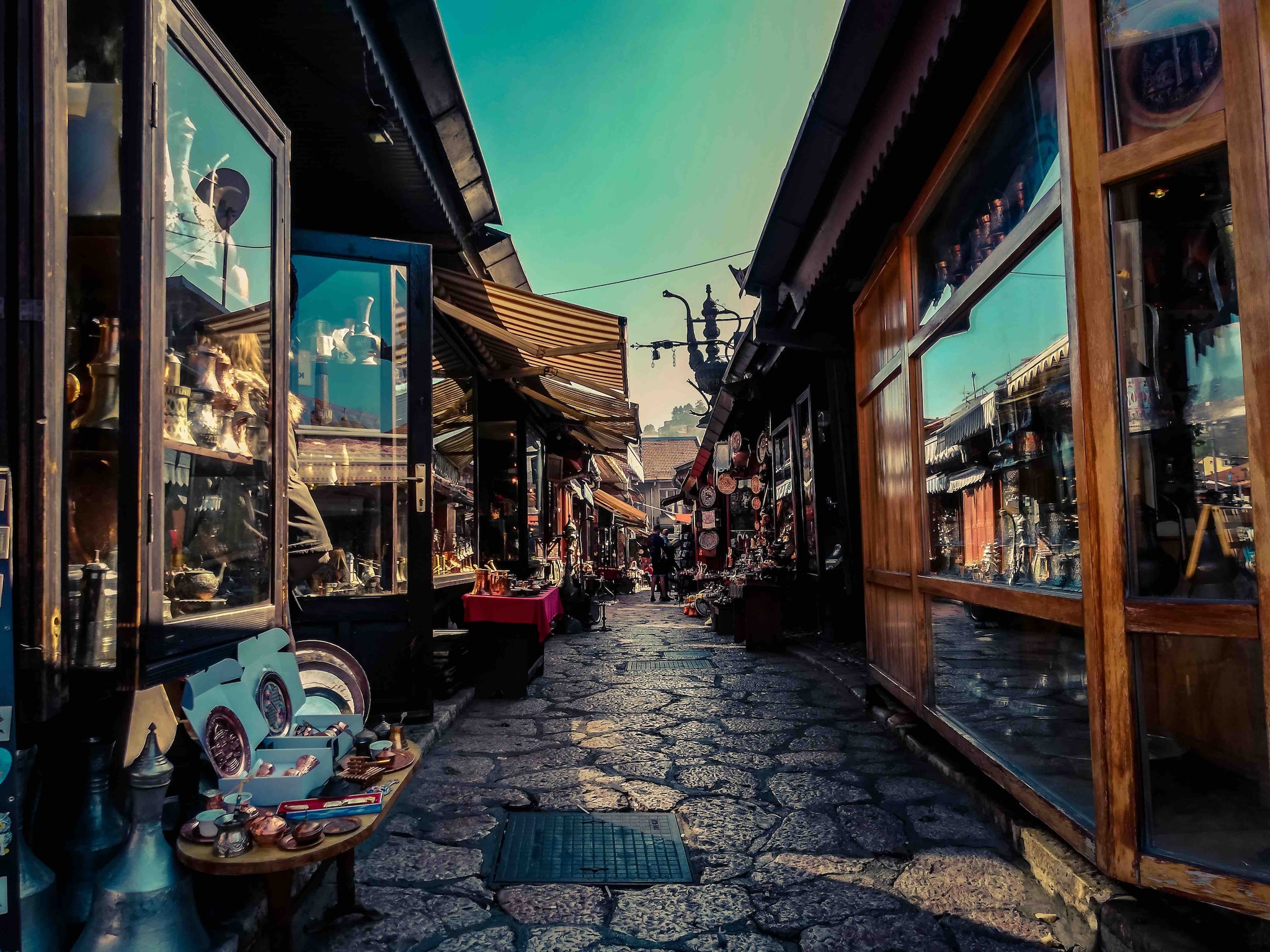
Through the alleys of Baščaršija in search of the most authentic and cosmopolitan Sarajevo
The charm of the Ottoman architecture is combined with the warmth of some initiatives such as 'Sarajevo through stories', which allows tourists to watch artists and guides talk about the city

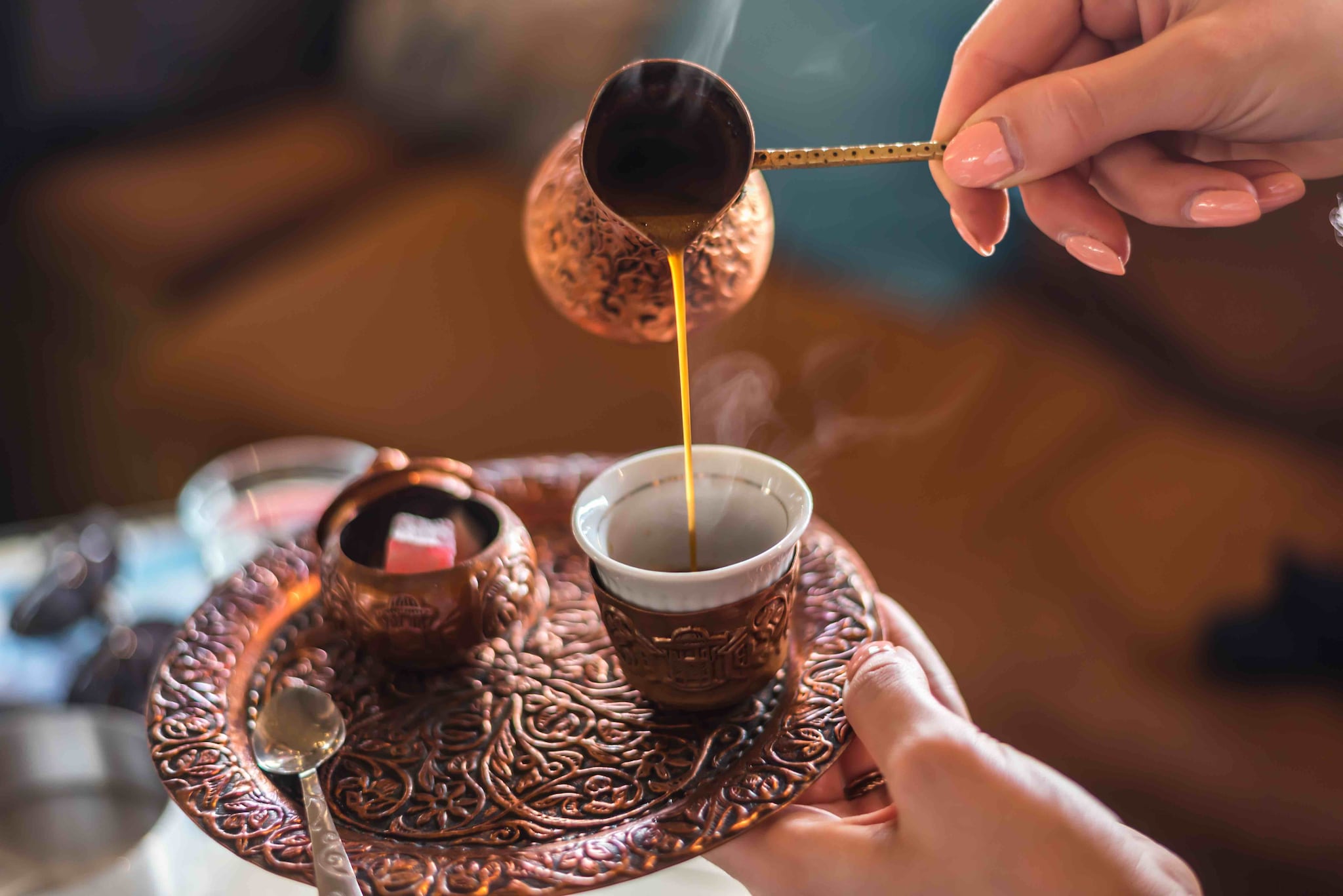
In a small tavern in the Ottoman quarter of Baščaršija, Sarajevo, someone slowly sips a coffee, while the radio plays melodies of sevdah, the traditional Bosnian song. Deeply rooted in the culture and daily life of the city, the coffee ritual, punctuated by the slow rhythm and melancholy of music, brings back memories for a moment of the tragic years of war in Bosnia and Herzegovina, when the city experienced the longest siege in contemporary European history between 1992 and 1995. Although the period of conflict remains central to Sarajevo's identity, today the city is told through its extraordinary resilience and cosmopolitan spirit.
The Jerusalem of Europe
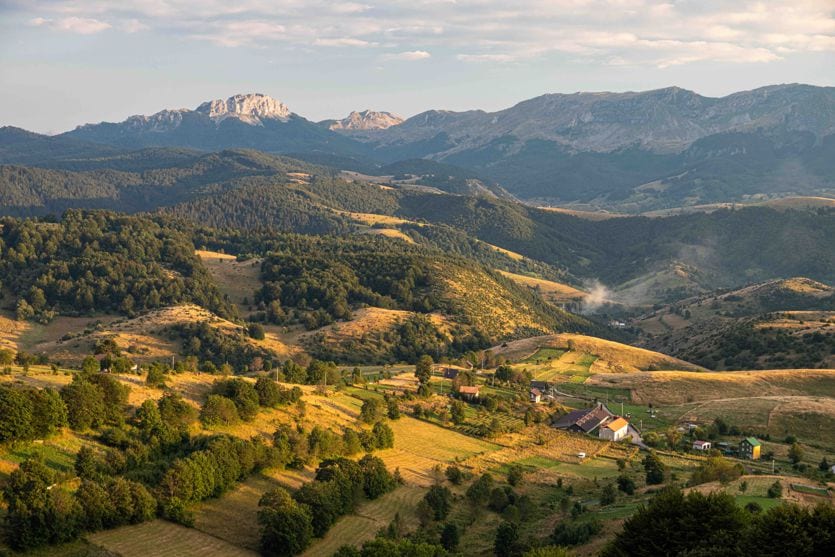
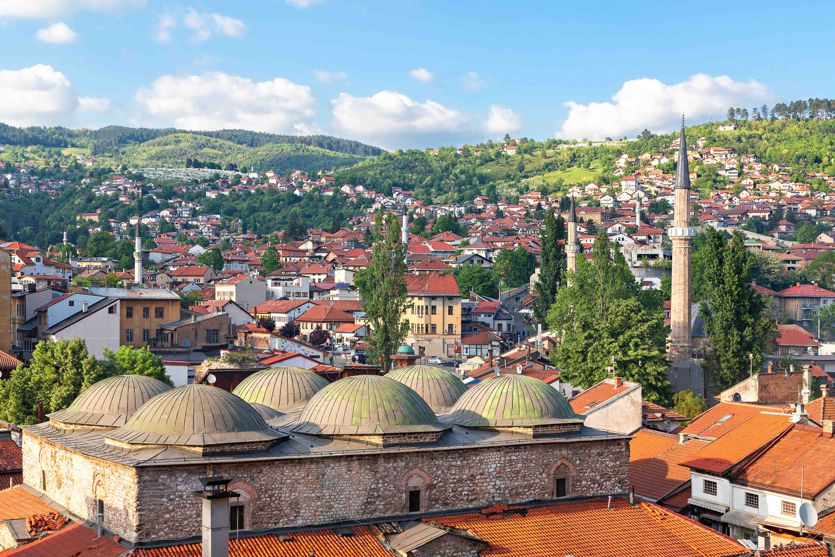
Also known as the 'Jerusalem of Europe', for centuries a crossroads of civilisations and a meeting place between East and West, Sarajevo has experienced different dominations and influences that have shaped its multicultural soul. Its history, complex and layered, is reflected in symbols such as mosques, churches, synagogues and cathedrals, which stand in close proximity to each other. Easily accessible from Italia thanks to direct flights from Milan Bergamo and Rome, or with stopovers at several European airports, the capital of Bosnia and Herzegovina is a dynamic and evolving destination, its tourist offer combining authenticity, history, experiences, nature and cultural events of international scope.
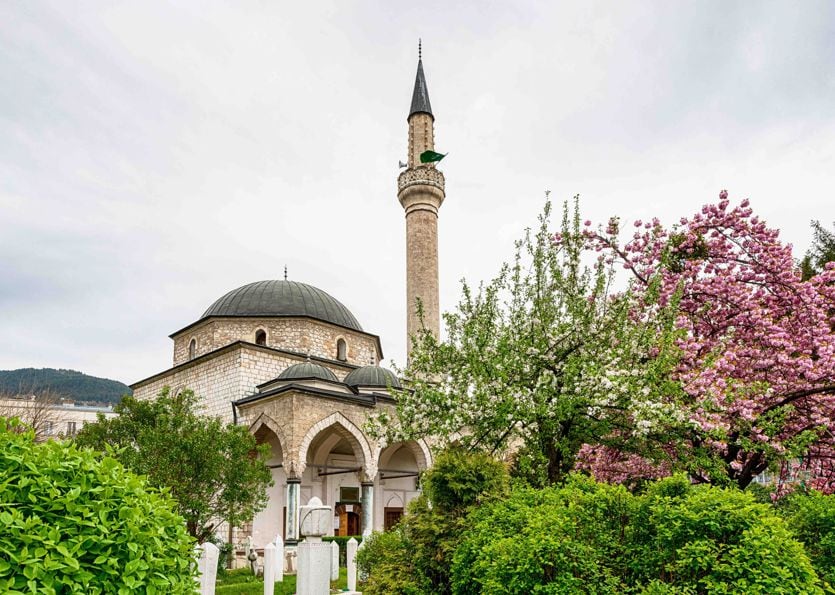
Baščaršija and the Sarajevo Cityscape
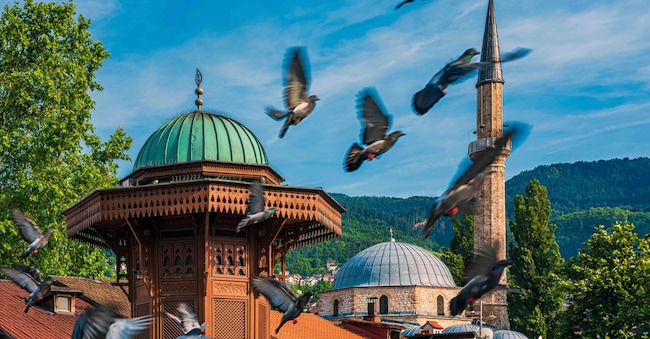
It is in the alleys of Baščaršija that the liveliest soul of Sarajevo is still concentrated: monuments, historic cafés and craft shops preserve commerce, sociability and tradition, here the street names still evoke ancient crafts such as coppersmiths, goldsmiths and leather workers. In what has been the historical heart of the city since the 15th century, stand some of the most representative symbols of its past: in the main square, Sebilj, the Ottoman fountain, stands out; not far away, the 16th-century Gazi Husrev-beg mosque is one of the most significant examples of Islamic architecture in the Balkans, followed by the Clock Tower and Bezistan, the old covered market. In Sarajevo, the urban scenery manifests itself with Ottoman architecture and Austro-Hungarian buildings, a constant interweaving of East and West, represented to perfection by Ferhadija Street, which on one side shows the Ottoman atmosphere of the old city, on the other the buildings of the Austro-Hungarian era. Also emblematic is the neo-Moorish building of Vijećnica, the former National Library rebuilt after the war, overlooking the Miljacka river. The capital of Bosnia and Herzegovina is a destination where one can experience various authentic experiences, in contact with the people who live there. Touching is a visit to the Museum of Childhood at War, which, since 2017, traces the period of the siege through personal objects, testimonies and stories of those who lived through it; the 'Where Cultures Embrace' route, on the other hand, leads to various places of worship, concretely showing the cultural coexistence that characterises the city; and then there are initiatives such as 'Sarajevo through stories', thanks to which visitors can meet artists, guides and local inhabitants, listening to personal stories.
What to eat and where to sleep
Sarajevo's stratification is also told through a gastronomy that combines Ottoman, Austro-Hungarian and contemporary influences, to be savoured in local specialities such as ćevapi, sarma and dolma, accompanied by the many variations of pita. A cuisine that finds expression in restaurants ranging from aščinice, traditional taverns with home cooking, to specialised establishments such as ćevabdžinice, dedicated to grilled meat. Among the most representative addresses are: ASDŽ Aščinica, located in the heart of Sarajevo and a refuge for lovers of authentic Bosnian cuisine; 4 Sobe Gospođe Safije, 'Mrs. Safija's four rooms' offers cuisine that combines East and West and is reflected in refined and creative dishes; Ćevabdžinica Željo, a symbol of local tradition and Dveri, a restaurant known for its cosy atmosphere and traditional dishes. Sarajevo's constant evolution is also reflected in its accommodation offer, a hospitality that caters to the needs of all types of travellers: historic establishments are flanked by hotels with an international flair and boutique hotels. Such as the Isa Begov Hamam Hotel in the heart of the old city, which combines over five hundred years of history with the authentic experience of the traditional hammam, with spaces and furnishings inspired by Ottoman culture; Hotel Baškuca, a boutique hotel a stone's throw from the Baščaršija district; Hotel Europe Sarajevo, a historic landmark combining tradition and elegance in the heart of the city; Swissôtel Sarajevo, for a contemporary experience with international standards and high-level services; finally, nestled in the quiet scenery of Mount Igman, there is the four-star Hotel Monti Wellness & Spa, ideal for those seeking a stay amid nature, relaxation and well-being.