
Among the ravines of Ponza in pursuit of myths and legends
Not to be missed in the archipelago are the two smaller islands Ventotene and Palmarola with breathtaking scenery and splendid archaeological sites
4' min read
4' min read
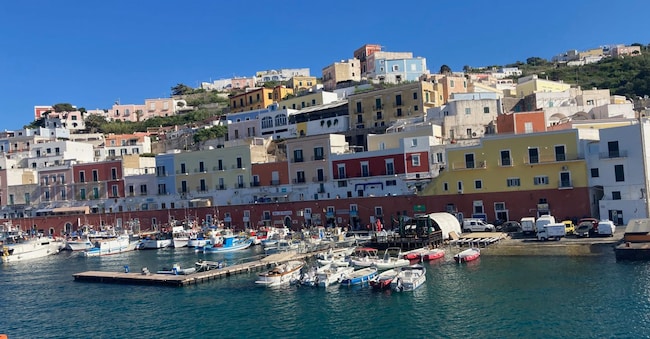
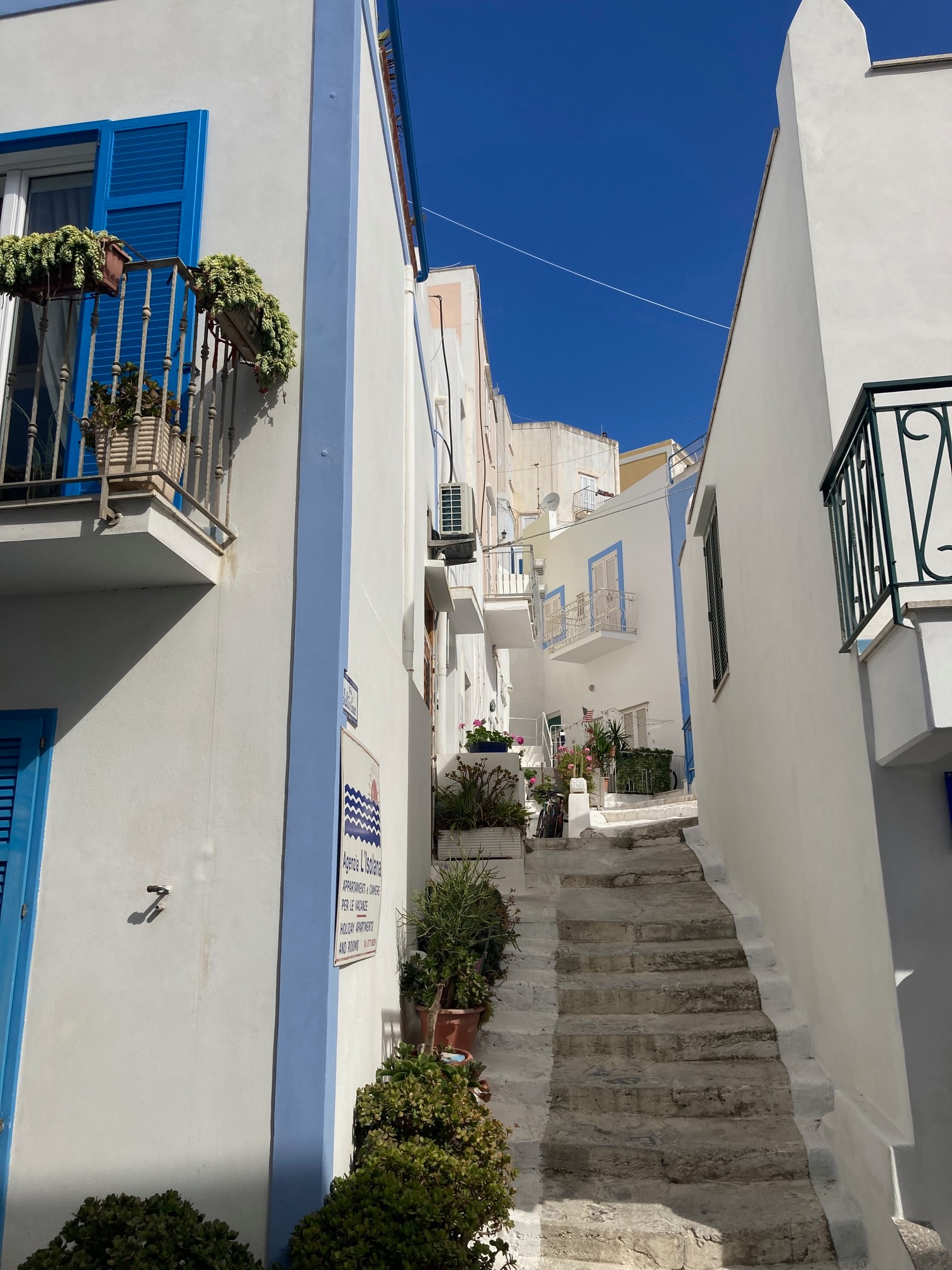
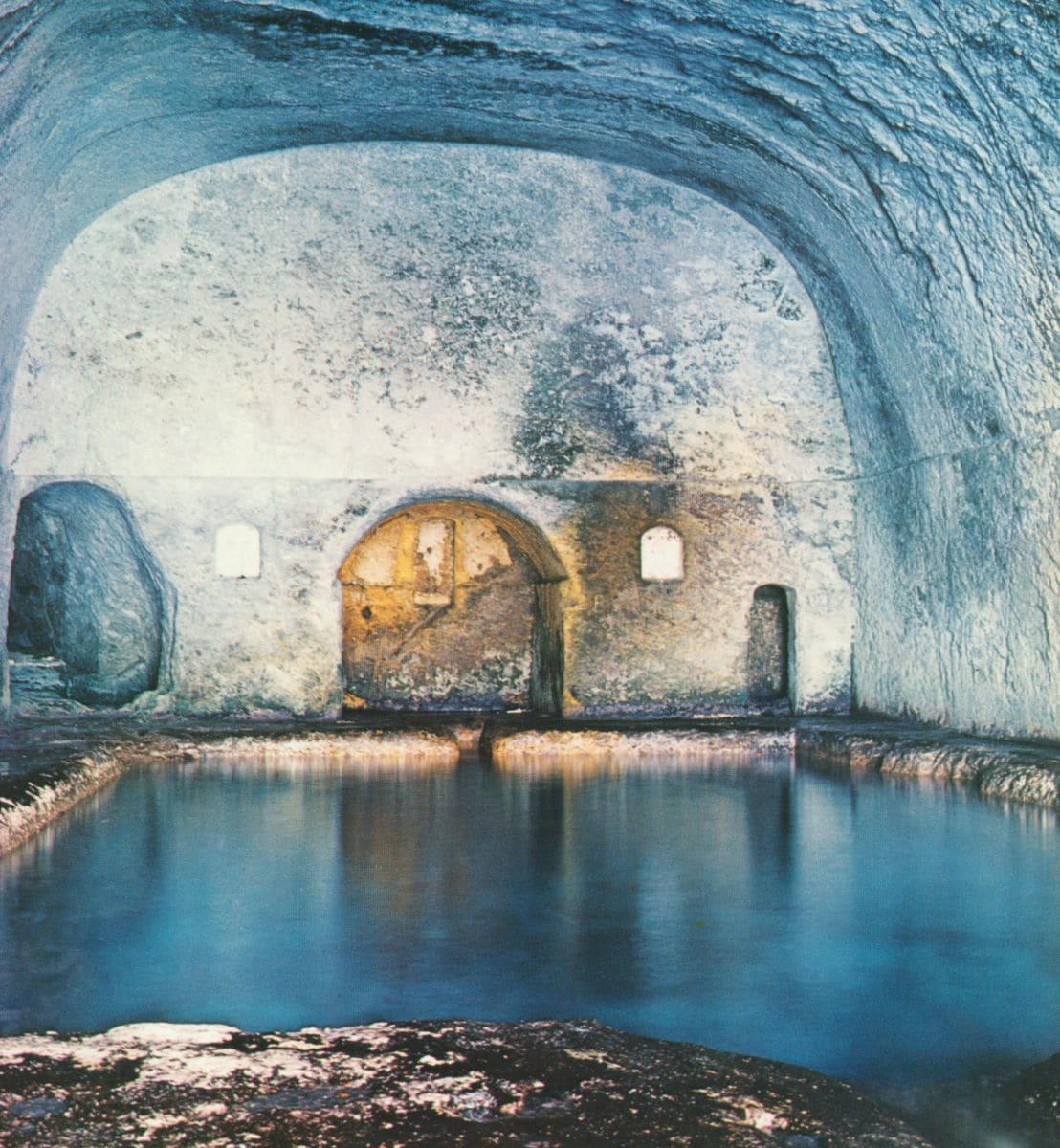
It carries a trove of legends, such as the one generated by Homer, who wanted the sorceress Circe of the Odyssey to settle here. But this is, in fact, just a legend, handed down from one generation to the next to envelop the island in a mythological aura. Then there is a thousand-year-old story, the real one. History of an island that was an outpost of the Romans in the Tyrrhenian Sea. And of ingenious hydraulic works, such as the network of twenty cisterns for collecting rainwater that served not only farmers but also the ships that had to refuel. Ponza is like a kaleidoscope: it shows many changing shapes. It is not only crystal-clear sea, coves wedged between the rocks, small postcard-perfect urban settlements with their typical coloured houses - in a triumph of shades of blue, yellow and red - overlooking narrow alleys and white stairways. It is not just Bourbon ports and lush vegetation. It is also a great leap back in time to antiquity.
An archipelago of many beauties
The island, off the Gulf of Gaeta, is the largest of the Pontine archipelago, which also includes Palmarola, Gavi, Ventotene, Santo Stefano and Zannone. A group of islands, largely uninhabited, that surprises with many beauties. Sometimes rugged, with high cliffs, sometimes gentle, among slopes and vineyards. Always characterised by an authentic Mediterranean atmosphere. Ponza is the ideal base for visiting them, preferably in June or September, when it is not yet overloaded by the many tourists who in July and August disembark from the ferries coming from Formia, Anzio, Terracina, Naples and San Felice Circeo. For example, taking advantage of the navigation service offered by the Cooperativa Barcaioli Ponzesi or even Ponzesi per Scelta, which offers crossings as far as Palmarola or Ventotene as well as sea excursions along the coast to reach small bays.
Loading...
From the sea to archaeological treasures
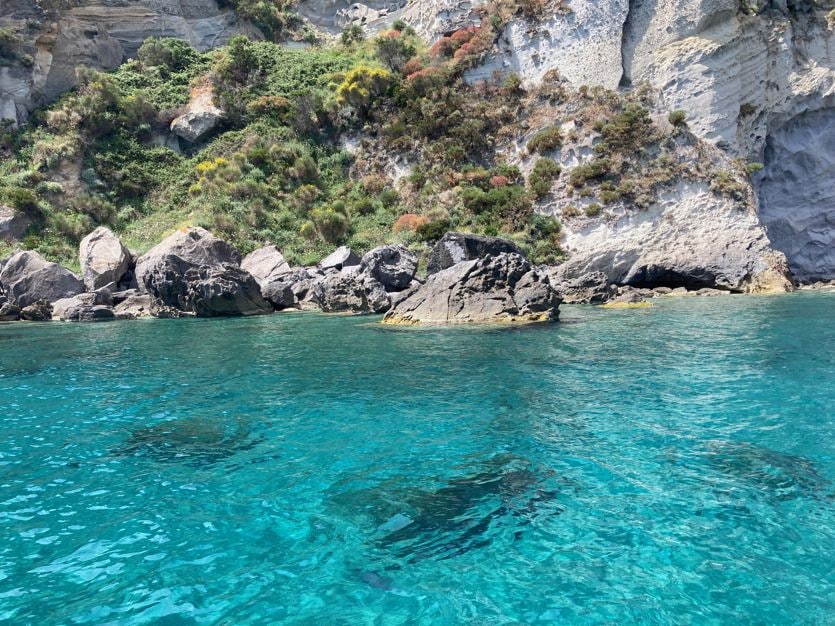
.Ponza in winter has about three thousand inhabitants (the other inhabited island is Ventotene) who feel Ponzesi even before they feel connected to the region they belong to, Lazio. These islanders are proud of their rich wine and food tradition, their archaeological treasures, and a rugged coastline that is poor in beaches accessible on foot - with the exception of Giancos, Cala Feola, and Frontone - but which offers breathtaking views and paradisiacal corners, little frequented even in high summer because they can only be reached by sea. There are few hotels. These include the Grand Hotel Santa Domitilla, a short walk from the centre of the main town (Ponza) and its port, and the Grand Hotel Chiaia di Luna, overlooking a cliff that frames the bay of the same name with its white rocks. On the other hand, the island guarantees a rich offer of holiday homes. To visit the two accessible Roman cisterns, that of Dragonara and that of Corridoio (both in an excellent state of preservation) you should contact the tourist office of the Pro Loco, which organises guided tours. And if you want to complete the archaeological tour, head for the villages of Sant'Antonio and Santa Maria where imperial villas of great cultural and historical value have been discovered and where you can admire decorated floors and mosaics. Then head to the Necropolis of Guarini and Bagno Vecchio, with various underground tombs.
Rich food and wine traditions
Dotted with beautiful villas surrounded by greenery, Ponza has many restaurants and trattorias offering excellent local dishes. From A Casa di Assunta, housed in a historic residence and run only by women, to the Rifugio dei Naviganti, from Chiaia di Luna to Il Tramonto, you can enjoy not only fish but also rabbit alla ponzese, a symbol of the island, simple and appetising among onions, oil, bay leaves, wine and tomatoes. Or the zeppola, a sweet made of flour, milk and aniseed liqueur. Ponza also has a history linked to wine (and began under Bourbon rule), with the production of Fieno Itg (white, rosé and red) and Biancolella. Those who wish to learn more about it can always contact the Antiche Cantine Migliaccio, which perpetuates the tradition.
In the turquoise sea of Palmarola and Ventotene
It takes about 30 to 40 minutes of crossing to reach Palmarola, inhabited only in summer by a few people. You will find yourself in a virtually untouched environment. High white cliffs plunging into a turquoise sea, small beaches squeezed between slopes and cliffs, unspoilt nature protected since 1998, when the island became a nature reserve, and landscapes that evoke Caribbean destinations. With a small port, few dwellings and only one restaurant, it is the wildest of the Pontine islands. Then there is Ventotene, which can be reached by ferry from Ponza in an hour and forty-five minutes. It is small (about 1.5 square kilometres) and rich in history. It will welcome you with its Roman port carved entirely out of tuff and the tiny village with its colourful houses, where 250 people live in winter and refuse to leave the island. Its beauty is perhaps less spectacular than that of Ponza or Palmarola, but it offers breathtaking scenery and splendid archaeological sites.
Copyright reserved ©


Brand connect
Loading...
