Botany and politics

Amidst violets and irises, where the scents tell the story of Italia

Places to rediscover: the struggles of the jasmine growers in Sicily, Calabria’s ‘golden’ bergamot, and innovation in lavender cultivation

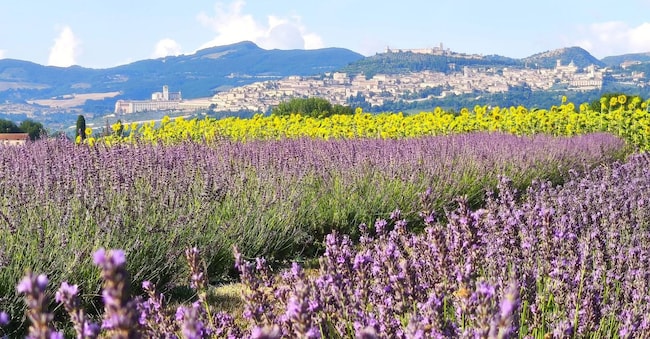
Assisi vista dai campi del Lavandeto aperto nel 2004

4' min read

Translated by AI
Versione italiana

4' min read

Translated by AI
Versione italiana

Take a close look at that small watercolour housed at the Napoleonic Museum in Rome, which is, not coincidentally, entitled ‘Enigmatic Violets’: hidden amongst the stems, leaves and flowers is the profile of Napoleon – a coded message for his followers, who recognised the flower as the symbol of the emperor. The watercolour also features the profile of Marie Louise of Habsburg, Napoleon’s second wife and Duchess of Parma: it was in that Emilian city that her passion for the flower blossomed, and it remains one of Parma’s emblems to this day.
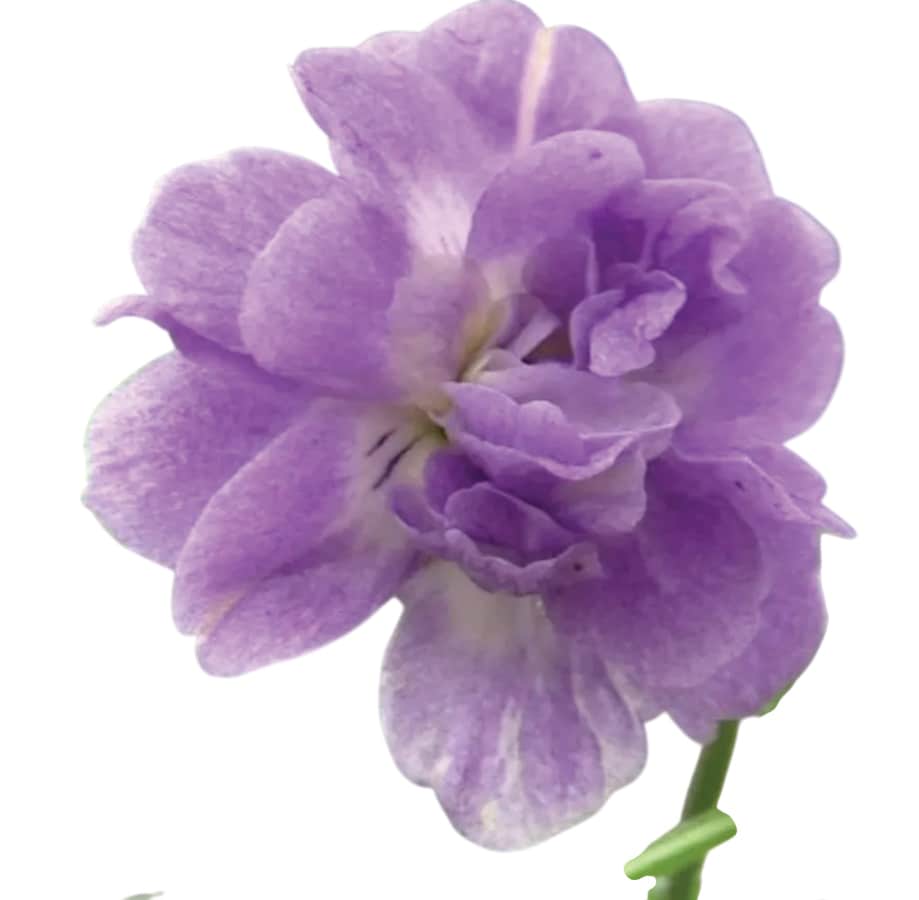
La violetta di Parma

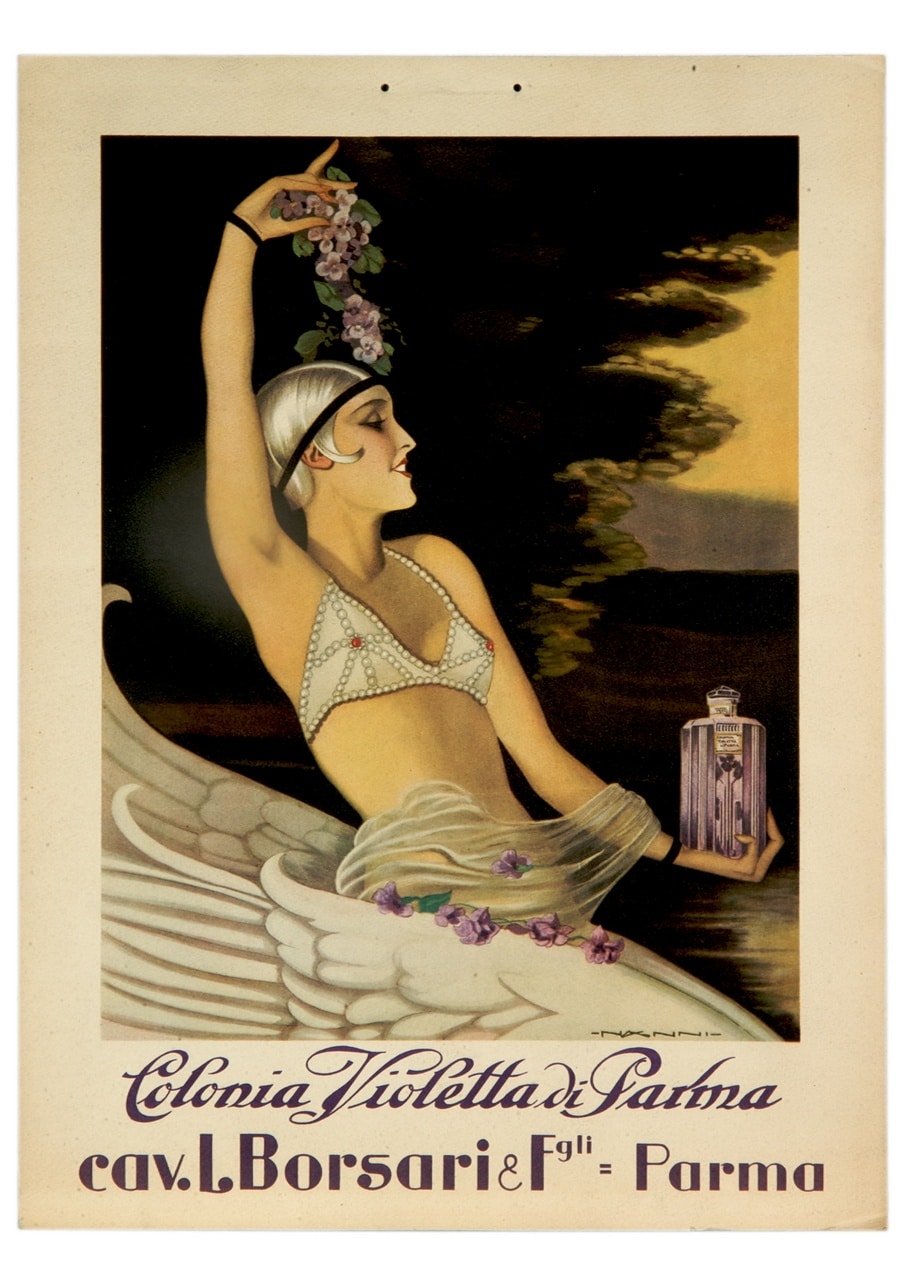
From Liguria to Piedmont: the realm of lavenderIn the city that Proust described as ‘mauve’ you can buy candied violets in the oldest patisseries, and follow their scent into the Color Viola shop, which, on Via Garibaldi, preserves the legacy of Ludovico Borsari’s historic workshop – the man who launched the famous fragrance in 1870. The story of the violets is just one of the many tales of flowers that define, express and recount the history of a region – its politics and its economy – stories that are sometimes famous and sometimes unknown, faded in memory or still capable of fuelling the future. Also in Parma, the history and passion for Maria Luigia’s violets can be explored in the elegant Glauco Lombardi Museum, whilst a contemporary interpretation can be experienced in the scent and colour of the ‘Ouverture’ cocktail, created by the talented bartender Alice Camellini at the Palazzo Utini hotel in Noceto, 15 kilometres from the city centre.
Loading...

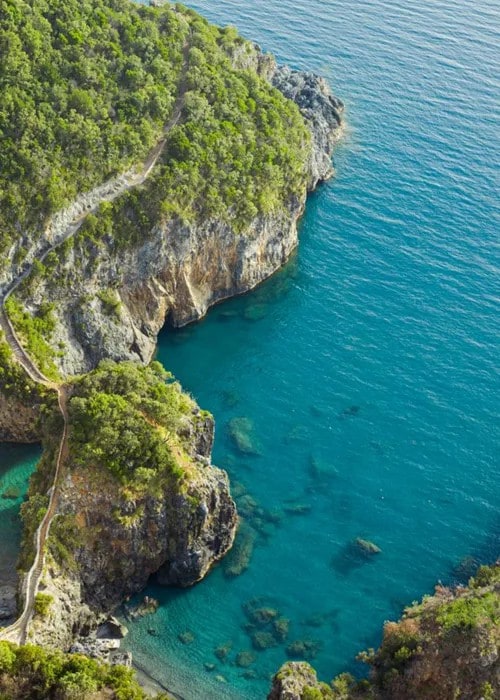
Un tratto della Riviera dei Gelsomini, che si estende per 90 chilometri lungo la costa ionica calabrese e prende il nome dalle coltivazioni del fiore che in passato la caratterizzavano

At the Bergamot Museum in Reggio Calabria

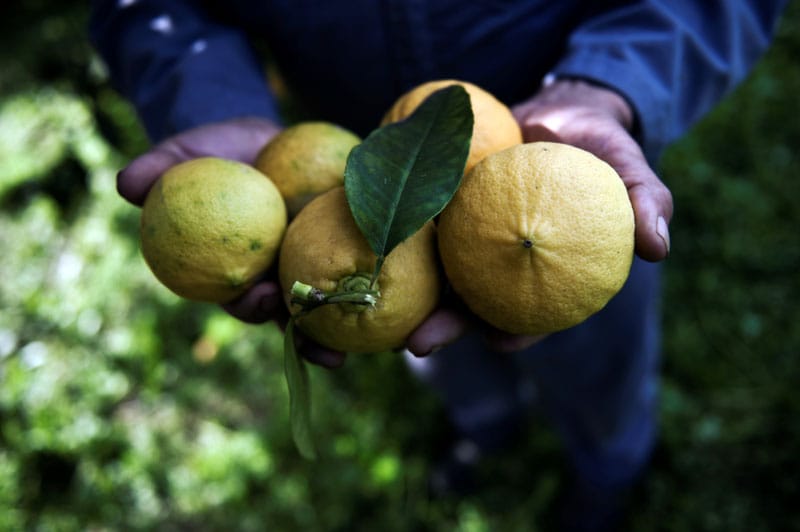
As well as remaining at the heart of famous fragrances, the aroma of Calabrian bergamot, grown along the coastline at the southern end of the region, is increasingly finding its way onto the palate too, as in the dishes created by chef Antonio Battaglia at the Altafiumara Resort in Villa San Giovanni and those by Felice Cuzzola at the Drogheria Culinaria restaurant in Reggio Calabria: here, the Bergamot Museum in Via dei Filippini, with its exhibits, hands-on workshops and festivals, is the second most visited attraction after the archaeological museum housing the Riace Bronzes.
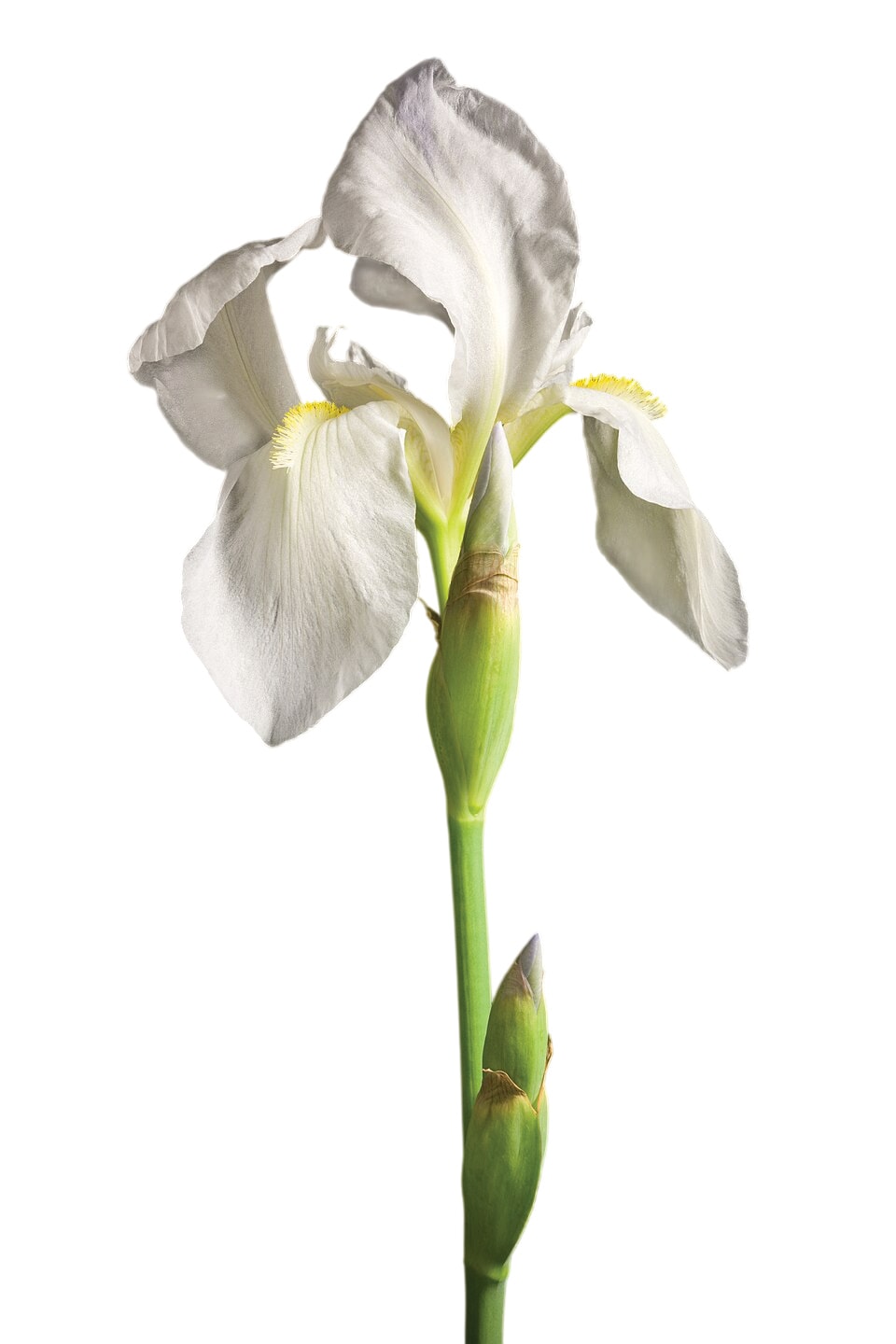
 

Fiore di Iris Florentina, simbolo di Firenze

It was around the mid-18th century that the decision was taken to focus on the production of this citrus fruit, which had been in great demand ever since by the most renowned perfume houses and which brought prosperity to the whole region, thanks in part to the invention, in 1844, of the ‘Calabrian machine’, capable of extracting the essence more effectively. A Experimental Station for the Citrus Essence and Derivatives Industry was also established for bergamot; it has been a centre of excellence in research in the sector for almost 110 years and today also houses a rich library.
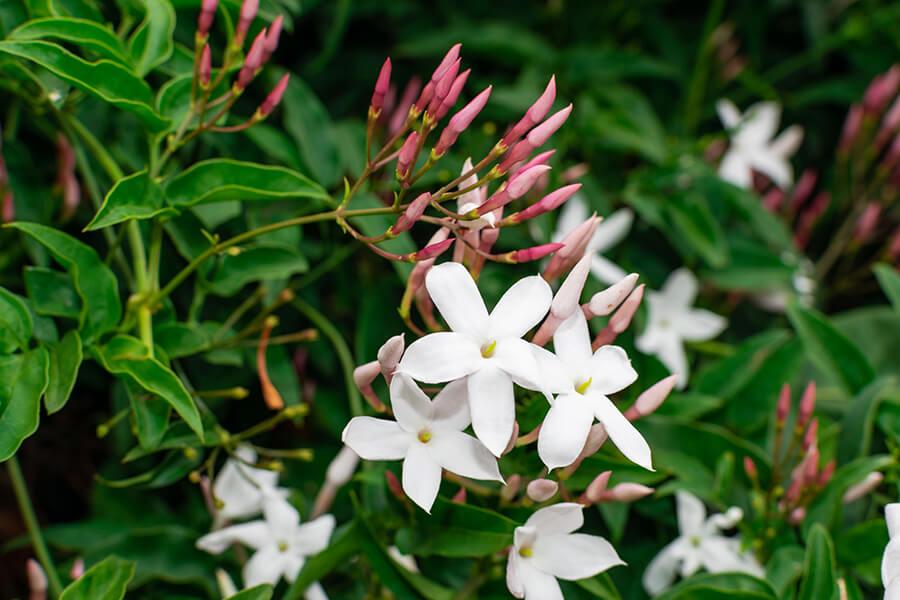
Fiori di gelsomino, un tempo coltivati nella piana di Milazzo

The jasmine gardens of Milazzo in Sicily

In the same area, another crop did not fare so well: all that remains of the jasmine that once fuelled its economy is the memory preserved in the name of the Riviera, which stretches for 90 kilometres along the Ionian coast, between Punta Stilo and Capo Spartivento, alongside the ruins of flourishing Greek cities, hilltop villages and Byzantine churches. In Sicily, however, the history of the jasmine plantations of Milazzo is being commendably rediscovered: in what, during the first half of the 20th century, was another prime location for growing the flower; yet, faced with appalling working conditions, the women organised the first major strike by women in southern Italia in 1946. Their story is now commemorated by the beautiful murals by Andrea Sposari in San Filippo del Mela, in the province of Messina, and by the monument to the jasmine pickers overlooking the sea from the Milazzo flower market, whilst in summer the scent of the tiny flower enhances the ‘gelo’ (sic) di mellone, a dessert to be savoured at the award-winning Siké ice-cream parlour.

Frutti di bergamotto

From Liguria to Piedmont: the realm of lavender

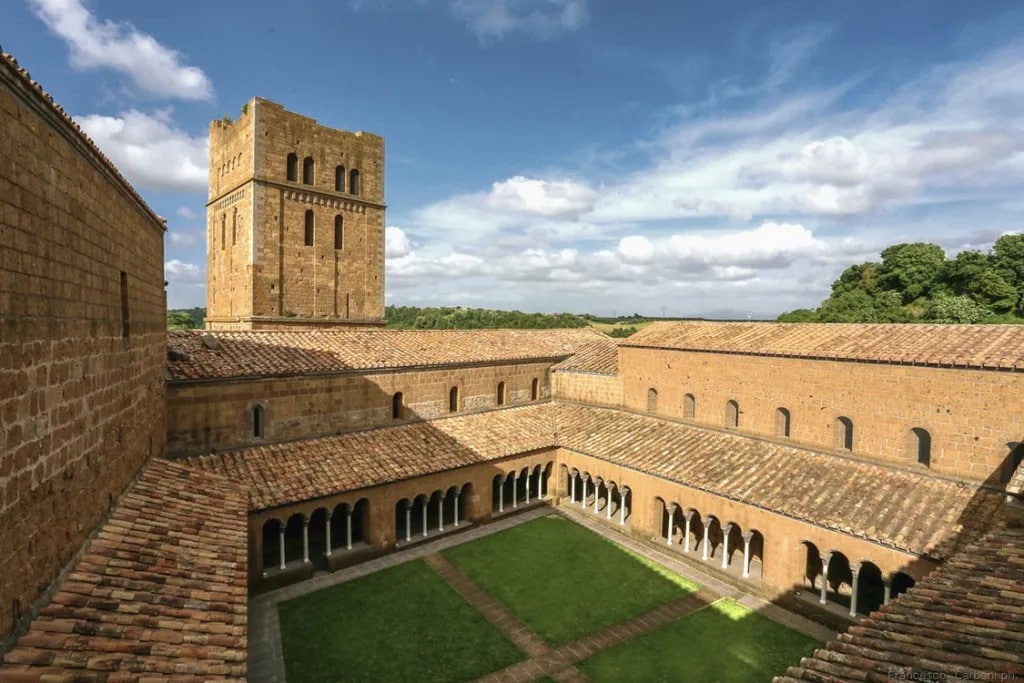
There is also a great deal of history and politics behind the elegant Tuscan iris, which colours the hills between Chianti and Valdarno and the Iris Garden in the heart of Florence: that proud flower is the true ‘lily’ of the city’s coat of arms, which – ever since the Ghibellines were driven out by the Guelphs – has been depicted as red on a white field and is the origin of the name ‘fiorino’. The story of lavender is one that bridges the past and the future; at the start of summer, it turns ever-larger fields across Italia purple: from the hinterland of Imperia, between the Argentina and Armea valleys, where Italia’s only Lavender Museum is located (in Carpasio), to the Piedmontese hills of Sale San Giovanni, where, some thirty years ago, lavender began to be cultivated according to biodynamic principles and where today numerous enthusiasts flock to discover ‘slow’ itineraries amongst medieval churches and farm stays. Since 2004, the Lavandeto di Assisi has become a destination within a destination, featuring events, DJ sets, a restaurant and a shop selling 60 different varieties, whilst the Abbey of San Giusto in Tuscania dates back to 1146, nestled amongst 12 hectares of lavender fields and centuries-old olive trees, where you can spend the night within ancient tuff walls.


L’Abbazia di San Giusto a Tuscania

As well as offering viable alternatives to overtourism, the innovative spirit of lavender also lies in its botanical characteristics: it requires very little water, contributes to the biodiversity of the agricultural ecosystem, protects the soil from erosion and is therefore perfect for a new chapter in history – one that will have to tackle climate change. Even with the help of little purple flowers.

Pubblicità d’inizio 900 della Colonia alla Violetta di Borsari

Copyright reserved ©
  • Chiara Beghelli

    Chiara BeghelliRedattore

    Luogo: Roma

    Lingue parlate: inglese, spagnolo

    Argomenti: moda, lifestyle, lusso

    Premi: Premio Penna Arcobaleno (2011) - Premio Stampa Moda Movie (2019) - Premio Casato Prime Donne (2022) - Premio Roma Fashion White sezione "Libri di Moda" (2025)

Loading...

Brand connect

Loading...

Newsletter

Notizie e approfondimenti sugli avvenimenti politici, economici e finanziari.

Iscriviti