
An exoskeleton to make buildings more resistant: the application in Acerra
Multicare (Horizon) programme of Stress and Federico II University of Naples to strengthen facilities and improve energy efficiency

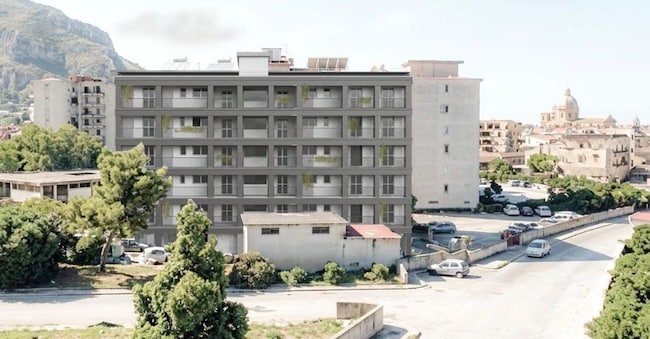
The Multicare project, funded by the Horizon Europe programme, develops resilient low-impact technologies and advanced digital services to support the design and management of buildings and neighbourhoods capable of dealing with multiple risks, from climate change to seismic events. Now it is moving from laboratory testing on portions of purpose-built buildings to application on dwellings in need of structural strengthening and energy efficiency.
This is happening in Campania thanks to the Multicare project, presented in Naples as part of the workshop 'From research to territory: resilient and low-carbon solutions for social and residential construction. The effectiveness of low-damage exoskeletons', organised by STRESS Scarl (technological district for construction) with Federico II University and ACER - Agenzia Campana per l'Edilizia Residenziale. Professor Stefano Pampanin , one of the world's leading experts in the design of buildings capable of withstanding earthquakes and who has contributed to the development of advanced techniques for constructing structures that not only do not collapse, but remain usable after an earthquake, also spoke in the technical session.
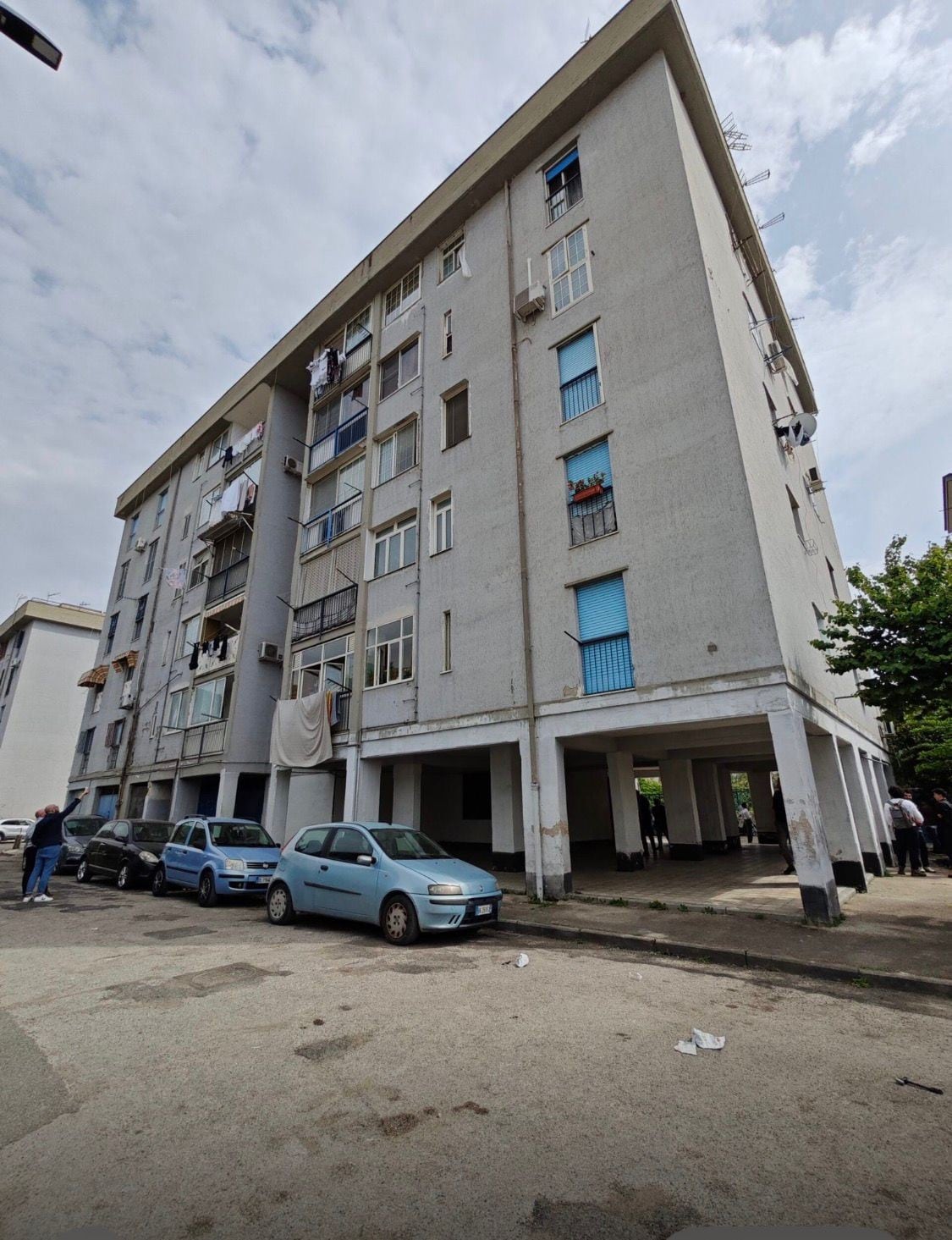
The system based on the application of an exoskeleton will now be installed on a real building owned by ACER and located in the municipality of Acerra. External plugging elements will be added to the wooden exoskeleton, replacing the classic 'coat' to ensure greater structural safety for the building as well as greater energy efficiency.
"Multicare represents a concrete example of what we call collaboration engineering: the ability to bring together institutions, research and companies to address the challenges of resilience and sustainability of the built heritage in an integrated way _ says Ennio Rubino, president of Stress Scarl _ Today it is essential to orient European, national and territorial instruments towards common objectives in a coordinated way, transforming innovation into concrete and replicable interventions for the development of territories.
"The experimentation on full-scale structures is fundamental to validate the effectiveness of the retrofit solutions developed within the MULTICARE project _ adds Marco Di Ludovico, professor at the Federico II University - Low-damage exoskeletons offer new perspectives for the redevelopment of the existing building heritage, combining structural safety, sustainability and reduced impact on users.


